






Newsletter Subscribe
Join thousands of readers who get our Sunday Briefing: one email, five essential stories, zero fluff. Subscribe NOW!

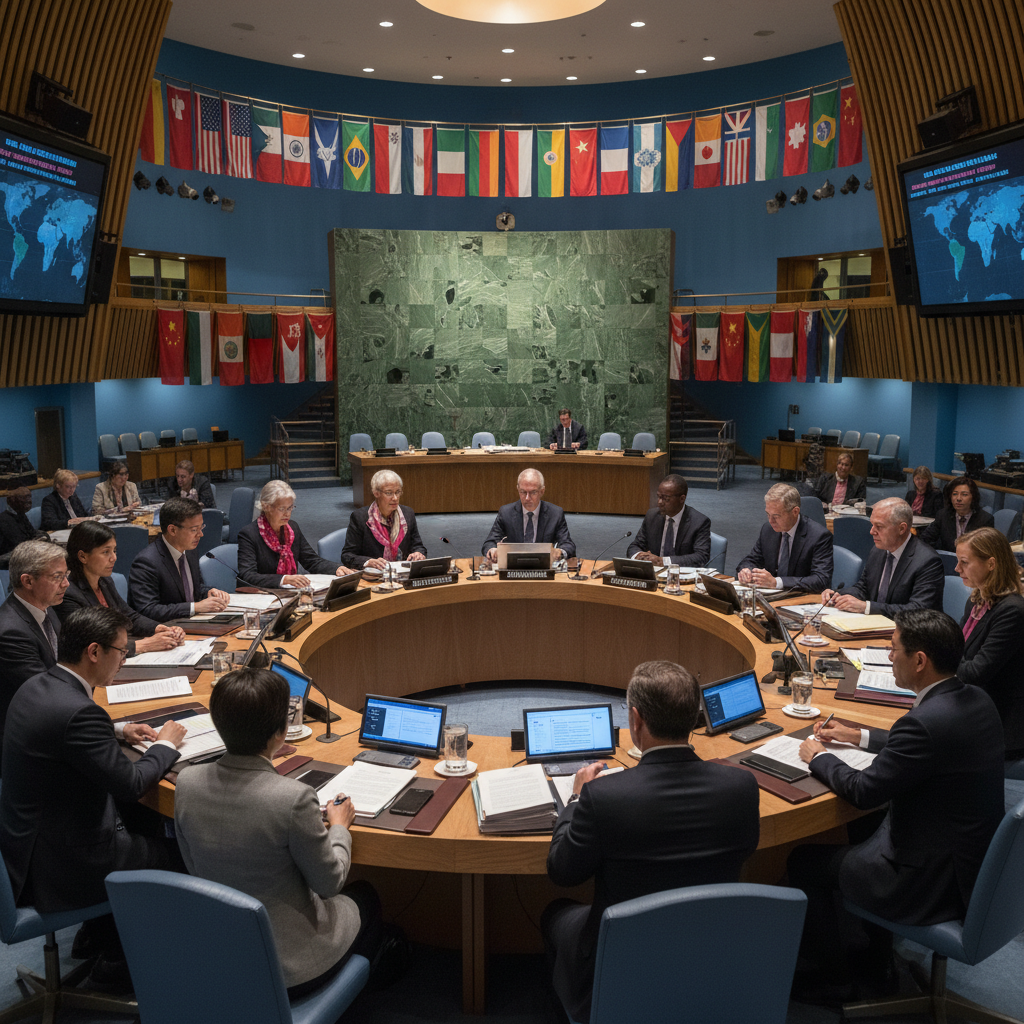
Unmasking the illusions driving foreign policy, we explore its failures, the power structures behind decisions, and the consequences of coercive actions like sanctions and military interventions.
Talking Points:
One thing’s clear: foreign policy is often draped in the shiny fabric of idealism that hides an uncomfortable reality. I once had a dinner conversation with a diplomat who claimed that every military intervention was a necessary act of benevolence. But sitting across the table, all I felt was an unsettling dissonance. The truth is, much of what we hear about foreign policy is either sugar-coated half-truths or outright fabrications designed to maintain a status quo that predominantly benefits a select few.
Understanding that our government’s foreign decisions don’t just shape other nations; they drastically influence lives here at home, whether we like it or not. When we start rotating our GPS to examine the broader global stage, it becomes apparent that many narratives seem curated for comfort over the unvarnished truths of international relations.
Talking Points:
Let’s face it: we’ve been sold a bill of goods when we’re told that decision-makers in foreign policy operate like robots making entirely rational choices. Too often, the reality is far more chaotic.
Take a moment to think about it. If one were inside the room during a tense negotiation, logic often takes a backseat to fear, ambition, and emotional impulses. Wars have erupted not from calculated cost-benefit analyses, but from distrust, arrogance, and often sheer miscommunication. History is littered with examples where the hope of rational thought fell to the side in favor of easy emotional appeals. The illusion of rationality often masks a deeply flawed reality where leaders flail under pressure, exposing the chinks in their armors.
Talking Points:
Behind every foreign diplomatic maneuver, there’s a shadow play of power and influence that rarely gets the attention it deserves. Who exactly pulls the strings? It’s not just presidents and foreign ministers. Lobbyists, think tanks, and deep-pocketed donors create a web that subtly influences decisions made ostensibly in the name of the nation.
Often, we expect transparency in political action. But the reality is murkier. It reminds me of playing Monopoly as a kid, where the real game was who could stack the deck in their favor the most. Understanding these power structures doesn’t just clarify who’s in charge, but also reveals why certain countries receive a level of attention—good or bad—far exceeding others. International conflicts are often driven more by the interests of the few rather than the good of the many.
Talking Points:
When we think of foreign policy levers, economic sanctions and military interventions often surface. However, let’s be candid: these tools are fraught with complications and often yield meager results.
My curiosity took me down this rabbit hole when I questioned why sanctions imposed on countries like North Korea haven’t reformed its regime as intended. Instead, innocent civilians bear the brunt of these actions while the leadership remains unharmed, highlighting the ineffectiveness of utilizing sanctions as a solution. The same can be said about military interventions. We’ve witnessed Iraq and Afghanistan spiral into chaos post-interventions, leading me to wonder: are we making the world more stable or merely perpetuating cycles of violence and unrest?
Talking Points:
Let’s bring together some case studies—how about Iraq and Libya?
What stands out in these scenarios is the disconnect between intentions and outcomes. The rationale for both interventions was predicated on removing tyrannical regimes. Yet, look around: both nations descended into tumult, with civil wars simmering long after the supposed peacekeepers left. Understanding these failures brings clarity to the death knells of so-called benevolent foreign policy—leaving countless innocents to shoulder the burden of miscalculations.
Talking Points:
Think tanks operate in the shadows of global diplomacy, articulating policy proposals that often dictate the responses of Western governments. Have you ever considered the flow of ideas between these institutions and policymakers? The narrative is not merely crafted in Congress; it often begins in elite circles where the rich and powerful shape the realities we face.
These organizations can prey on public ignorance, presenting tailored perspectives that are more self-serving than altruistic. The cozy relationships between these think tanks and decision-makers raise serious questions about whose interests are truly being served. It’s a con game where the players seem predetermined, puppeting a tale that’s easier for everyone to digest while ignoring inconvenient truths.
Talking Points:
Underneath the polished rhetoric of liberalism lies the dirty underbelly of neoliberal geopolitics, which actively fuels global inequality.
Think back to how trade agreements are celebrated for ushering in new economic opportunities. But the flip side? They often enrich the few while leaving the many in deeper poverty. Economic sanctions under neoliberal dogma are crafted to punish regimes rather than promoting constructive dialogues—an unsustainable approach that perpetuates injustice. We might dream about a fairer, better world, yet the forces behind current policies seem intent on widening the chasm between the haves and the have-nots.
Talking Points:
We need to begin sifting through the dominant narratives that shape humanitarian crises and foreign policy. Sometimes, asking who benefits the most raises critical questions. It’s time for alternative perspectives to be spotlighted.
When you think about it, interventions don’t always need to equate with resolutions. Could empowering local populations to resolve their conflicts yield better outcomes than implanting foreign ideologies? It’s a challenging proposition, yet there’s truth to empowering agencies that harbor a world of potential to drive sustainable change from the ground up, instead of top-down directives cloaked in benevolence.
Talking Points:
Change doesn’t happen overnight, but it begins with questioning the status quo and refusing to accept narratives that don’t match the reality of our global landscape.
As we unpack the layers surrounding foreign policy, the challenge is not just for leaders in high places; it’s a call to action for everyday individuals. We all have a role in reshaping the narratives and challenging the dominant structures that often safeguard our complacency. I invite each of you to engage in these critical conversations and share your experiences. The more we query, the more we can unearth alternative pathways to a more just global order!
Q1: What factors most influence foreign policy decisions?
A1: A myriad of elements play a role in shaping foreign policy, including historical relations, economic interests, strategic alliances, and domestic political pressures.
Q2: How do economic sanctions impact the targeted nations?
A2: While sanctions are intended to coerce governments, they often harm civilian populations more than political leaders, leading to humanitarian crises without achieving their original goals.
Q3: Are military interventions ever justified?
A3: The justification of military interventions is heavily debated; factors include the nature of the threat, potential outcomes, and whether they genuinely contribute to stability or create additional conflicts.
Q4: What role do think tanks play in shaping foreign policy?
A4: Think tanks can significantly influence policy discussions by providing research, framing issues, and advocating for specific solutions, often guided by the interests of their funding sources.
Q5: How can citizens influence foreign policy?
A5: Engaging in discussions, advocating for informed choices in governance, and supporting transparent policies can empower citizens to impact foreign policy decisions positively.