







Newsletter Subscribe
Join thousands of readers who get our Sunday Briefing: one email, five essential stories, zero fluff. Subscribe NOW!

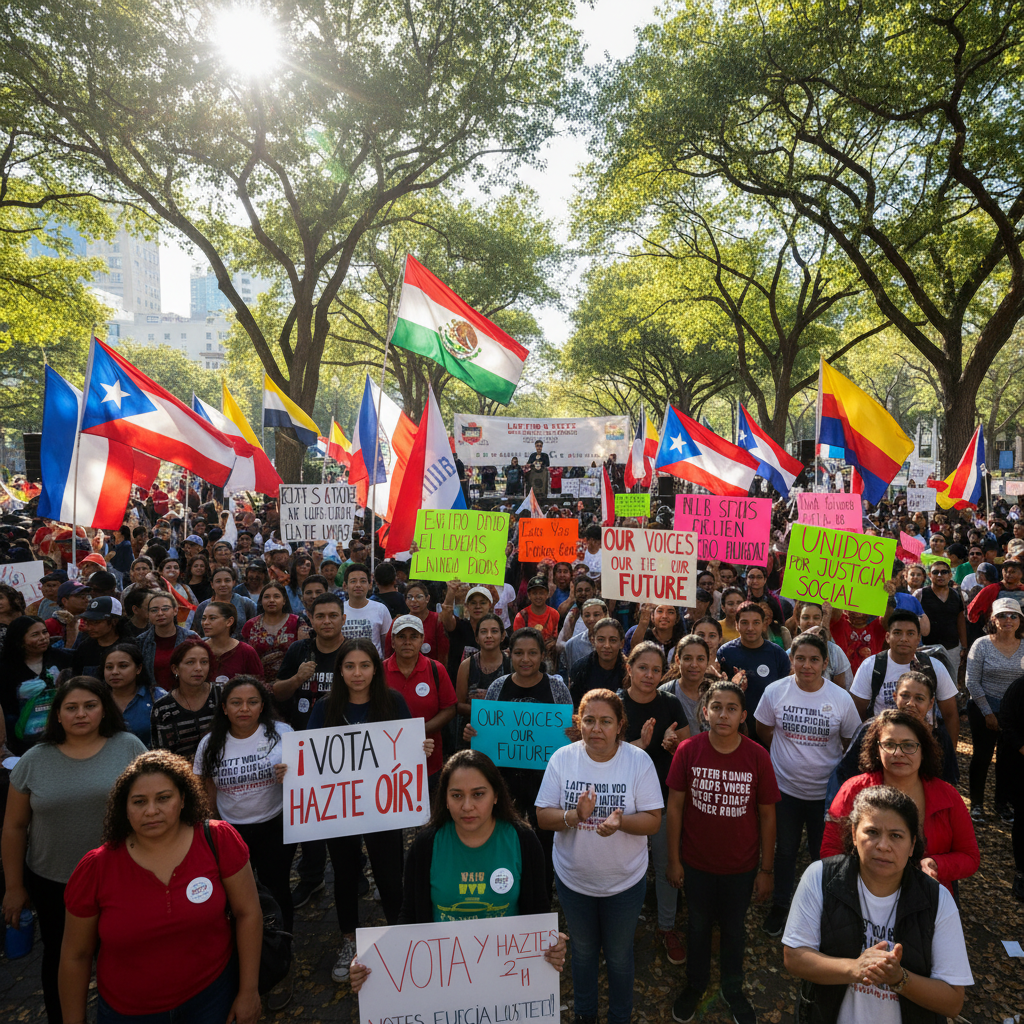
In 2026, Latino voter participation surged to 68.9% in Texas, yet a deeper exploration reveals harsh truths about their fragmented electorate, diverse priorities, and the shifting political landscape.
I remember the first time I walked into a voting booth. It felt monumental—like I was part of something much bigger than myself. Fast forward to the 2026 midterm elections, where Latino voter participation skyrocketed, reaching a staggering 68.9% during early voting in Texas. This wasn’t just a fluke; it was a wake-up call. The implications of this surge in turnout? They’re profound. Yet, despite the highs, we need to confront some harsh truths about the Latino vote and its fragmentation, misunderstandings, and what actually matters to these voters.
Talking Points:
So, let’s get this straight: Latino voters aren’t a single, monolithic block. Quite the opposite. If you take a closer look, you’ll see an electorate split into different factions with varying priorities and concerns. From MAGA Hispanics who align with the conservative agenda to Movement Progressives pushing for sweeping reforms, the political landscape is anything but dull. Sadly, many political strategists still hold on to outdated notions, treating Latinos as just one big voting bank. They insist this diversity doesn’t exist, while in reality, it does, and it’s growing.
Talking Points:
When a 2025 survey of 3,000 registered Latino voters revealed that economic concerns—jobs, cost of living, housing—were top priorities, I can’t say I was shocked. All the talk about immigration is nice, but when you’re struggling to pay rent? That takes center stage every time. Political campaigns often miss this vital point, thinking emotional appeals about immigration will suffice. However, in 2026, we learned that if candidates fail to address these pressing economic issues, they might as well kiss the Latino vote goodbye.
Talking Points:
Cultural identity plays a huge part in how Latino voters align politically. Interestingly, some voters rally behind parties that resonate with their personal narratives. Democrats tend to focus on inclusivity and support for immigrant rights, while Republicans often push themes of family values and traditionalism. How do you think this affects a community that is uniquely diverse? Well, let’s just say, if parties want to succeed, they need to acknowledge that Latino culture isn’t one-size-fits-all. Acknowledgment of representation matters which, surprising as it seems, is still a work in progress.
Talking Points:
The strides made in mobilizing Latino voters are admirable, yet tell that to the millions still feeling left out. Organizations pumping millions into outreach—such as the recent $1.4 million progressive campaign aimed at reconnecting with Latino voters—yield results. When groups push out actual policies and consider what people are struggling with, people vote. But let’s not be naive; simply throwing money into a campaign won’t do the trick. Authentic engagement, not just lip service, is vital to see real results.
Talking Points:
Oversimplifying the Latino vote sends a message of disregard. Pretending there’s an easy, formulaic approach to winning over this diverse electorate is a colossal mistake. I mean, come on, a cookie-cutter strategy doesn’t work in any other situation. Let’s be clear: as barriers continue breaking down in the political system, parties need to wake up and develop long-term strategies rather than stuffing flyers in mailboxes and hoping for the best. It’s frustrating to see this trend continue—a case of the same old mistakes being committed repeatedly.
Talking Points:
Looking back at 2026, let’s dissect the successes and failures that illuminated the path of Latino voter mobilization. Grassroots movements, such as those focusing on localized issues, often prove far more effective than candidates shoving national policies down voters’ throats. On the flip side, remember that failed campaign during the 2020 elections? Yes, rebranding and promoting traditional Democratic priorities didn’t convert a single heart. Let’s face it; these real-life examples remind us of the need to keep our ear to the ground.
Talking Points:
So, what does the future hold for Latino voter mobilization? One word: collaboration. As the Latino electorate in the U.S. continues expanding and diversifying, trust-building must be a top priority. Political platforms need to evolve, meeting Latinos where they are, rather than waiting for them to come to political parties. The days of expecting people to show up on your doorstep for a cookie-cutter appeal are over. Thumbs up for anyone willing to prioritize genuine outreach!
The status quo isn’t going to cut it anymore; that’s evident from these recent trends and shifts. Latino voter mobilization can no longer be viewed through a simplistic lens that ignores the intricate realities of the community. To truly engage the Latino electorate in 2026 and beyond, we need to rethink our strategies and put authentic engagement at the forefront. C’mon, readers! Let’s break away from cookie-cutter narratives and share experiences—what do you think will make meaningful impacts in mobilizing this vibrant community?
Latino political fragmentation arises from diverse cultural identities, varying priorities such as economic issues, and differences in political ideologies among various groups, leading to non-linear voting behaviors.
Economic concerns, including housing, jobs, and the cost of living, often overshadow immigration issues. Many Latino voters prioritize their immediate quality of life over broader immigration discussions.
Movements now focus on authentic engagement, connecting directly with local communities rather than relying solely on national narratives or policies. Campaigns are shifting to reflect real-life concerns of voters.
One major misconception is viewing Latino voters as a homogenous group. This oversimplification ignores the diverse experiences and needs that shape their political decisions.
Effective campaigns should prioritize genuine outreach, address economic issues, and showcase strong cultural understanding. Additionally, collaborating with local organizations can enhance trust and engagement.