







Newsletter Subscribe
Join thousands of readers who get our Sunday Briefing: one email, five essential stories, zero fluff. Subscribe NOW!

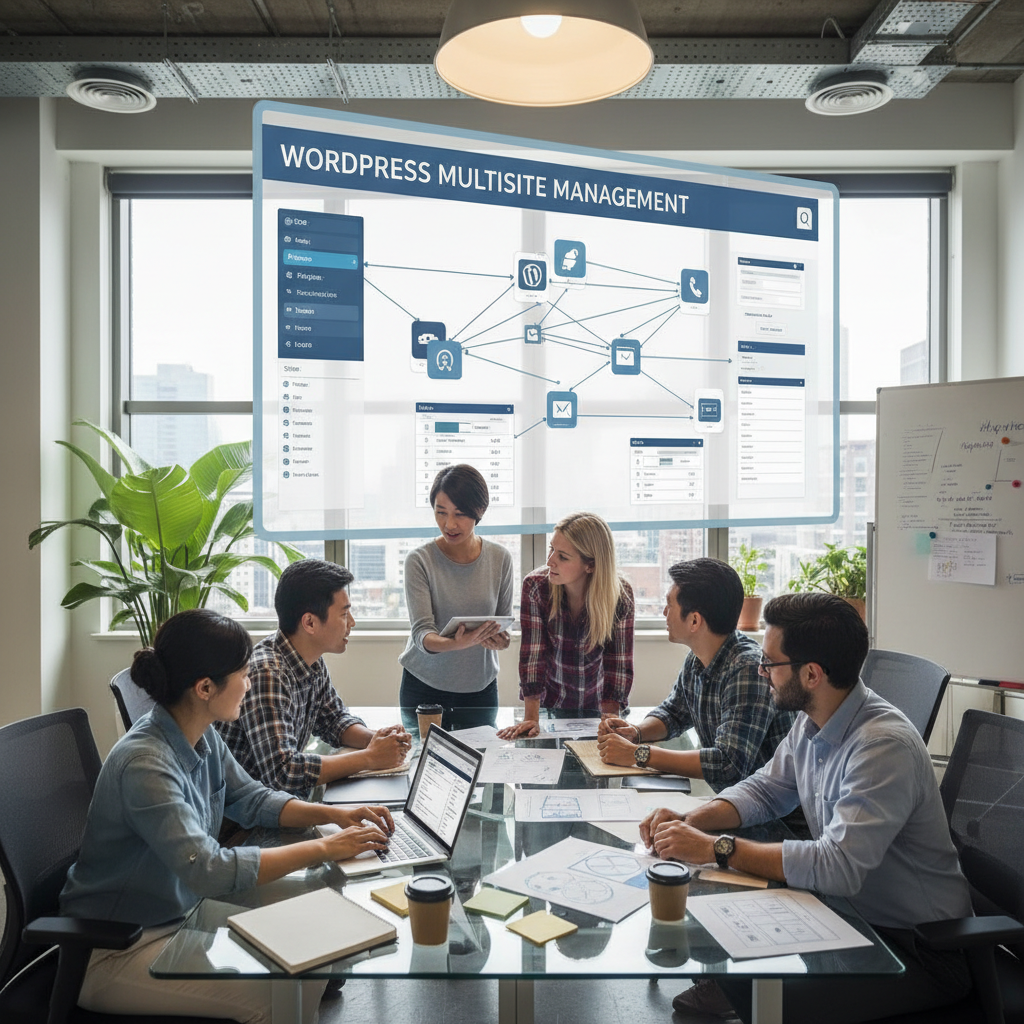
WordPress Multisite Management sheds light on whether the platform lives up to the hype. Critical analysis dissects scenarios where it excels and where it falters.
Talking Points:
It’s plausible to think that WordPress Multisite is the holy grail for managing multiple sites. With all the talk about centralized management and shared resources, it feels like a dream come true. But after two decades in the trenches of web management, I can confidently say that what seems like a silver bullet often has sharp edges.
When I first ventured into Multisite, I was enamored by the allure of one dashboard to rule them all. Who wouldn’t want an easier life managing websites? But, as with anything worth its salt, reality has a way of tempering those initial hopes.
Talking Points:
WordPress Multisite lets you manage several sites under a single WordPress installation — sounds magical, right? But what many don’t realize is that this magic comes with a hefty dose of responsibility.
Imagine a corporate hub where each department has its domain but shares the same server and database. Sounds efficient until one site goes down and the entire operation is affected. Centralized administration does streamline updates to core software, themes, and plugins. Just push the button, and boom—everyone is updated! But this convenience often masks deeper vulnerabilities.
Also, while having a shared database can save on server space, it can create scaling issues. When one site misbehaves or spikes in traffic, brace yourself — it can affect your entire network.
Talking Points:
Not every website or organization will benefit from a WordPress Multisite setup. It’s like trying to fit a square peg in a round hole. A multisite model is genuinely beneficial if your sites share a brand identity or a team. Think corporate sites that represent various regions or a university managing disparate departments.
In these cases, a shared approach provides consistency and ease. It’s a streamlined way to ensure that the brand voice remains uniform and that updates are rolled out swiftly across all domains.
Talking Points:
However, if you’re thinking about launching a series of unrelated stores or blogs, put down that Multisite idea and walk away. You’ll face hurdles like hard isolation for compliance reasons or vastly different traffic patterns that could force an already stretched infrastructure to its breaking point.
Not to mention, if you’re planning to run separate WooCommerce stores, forget it. Multisite isn’t optimized for that kind of distinct operation, and you’ll likely end up with more problems than solutions.
Talking Points:
So, you’ve decided to move forward with Multisite, perhaps against the better judgment of cautious voices. Let’s talk about setup. What seemed simple during the initial allure now looks like a complex labyrinth. Each step requires careful planning and a firm understanding of your needs.
You’ll need to consider your database structure. Otherwise, you might find yourself knee-deep in database management issues faster than you can say “backup strategy.” And let’s address plugin compatibility. Not all plugins play nice in a Multisite environment. Trust me, when you realize the plugin that made your life easier doesn’t function properly in a multisite, the frustration is palpable.
Talking Points:
As if you hadn’t had enough already, let’s look at management. It’s a fine balancing act of best practices and holding your breath. Centralized management isn’t just about pushing updates. You’ve got to be ready for the whims of performance optimization and, yes, user access control.
Using centralized tools to manage user permissions can save time, but improper setups can lead to unnecessary risks. Applying a one-size-fits-all approach is simply reckless. Scaling successfully demands targeted governance that addresses the unique needs of each site while ensuring they comply with overarching policies.
Talking Points:
Let’s be candid: security in a WordPress Multisite ecosystem can keep you awake at night. With multiple sites running on a shared infrastructure, the potential for vulnerabilities skyrockets. One breach could expose your entire network.
It’s not just about installing a firewall. Regular audits, proactive monitoring, and layered security measures are paramount. If you think those basic security plugins will suffice, it’s time for a reality check.
Talking Points:
Performance is where the rubber truly meets the road. The initial excitement of managing multiple sites can quickly fade when the performance hits a wall. If one site on the network experiences a traffic spike, be prepared for the entire fleet to slow to a crawl.
Implementing techniques like caching can mitigate some performance degradation, but it’s only part of the solution. Balancing shared resources while keeping individual site performance in check is nothing short of a high-stakes juggling act.
Talking Points:
User management within Multisite can feel both liberating and constricting. Sure, you can streamline who does what with a single set of user roles and permissions. But let that simplicity fool you for too long, and you’ll expose yourself to significant risks.
Understanding who has access to what isn’t just good practice; it’s essential when operating under a collective umbrella. The need for controlled access becomes apparent as you realize not all users need the same level of freedom across your network.
Talking Points:
Let’s not sugarcoat it: migrating from or to a Multisite setup can be one of the worst nightmares you’ll encounter. I learned this the hard way with a misstep that left me scrambling for backups. If you’re not vigilant, the resultant chaos can be catastrophic.
Backups aren’t just a one-and-done. You need a robust strategy that includes testing your restore processes regularly. If you think that your migration woes will just magically fix themselves, rethink that strategy right now.
So, here’s the million-dollar question: is WordPress Multisite worth the hype? After weighing the pros and cons, it’s clear that, for some, it provides a pathway to efficiency and streamlined management of similar sites. For others, it’s a tangled web of complications.
My advice? Assess your needs critically before diving headfirst. And once you’ve made the leap, be prepared for a continuous cycle of management, security concerns, and performance monitoring. Share your experiences or tips in the comments. I’d love to hear how you navigated your own multisite strategy.
Q1: How does WordPress Multisite handle updates for plugins and themes?
A1: WordPress Multisite allows centralized updates, meaning you can update all plugins and themes from a single dashboard, saving time and effort.
Q2: Can I run distinct WooCommerce stores on a Multisite installation?
A2: It’s not recommended, as WooCommerce has specific requirements that make it difficult to manage effectively within a Multisite setup.
Q3: What are some common security risks with WordPress Multisite?
A3: Cross-site scripting vulnerabilities, plugin incompatibilities, and shared databases can increase the potential security risks dramatically.
Q4: How can I optimize performance in a WordPress Multisite?
A4: Implement caching, optimize images, and consider a content delivery network (CDN) to balance resources better across sites.
Q5: What’s the best way to backup a WordPress Multisite network?
A5: Use a combination of plugin solutions and regular manual backups, ensuring you validate your restore processes regularly.