







Newsletter Subscribe
Join thousands of readers who get our Sunday Briefing: one email, five essential stories, zero fluff. Subscribe NOW!

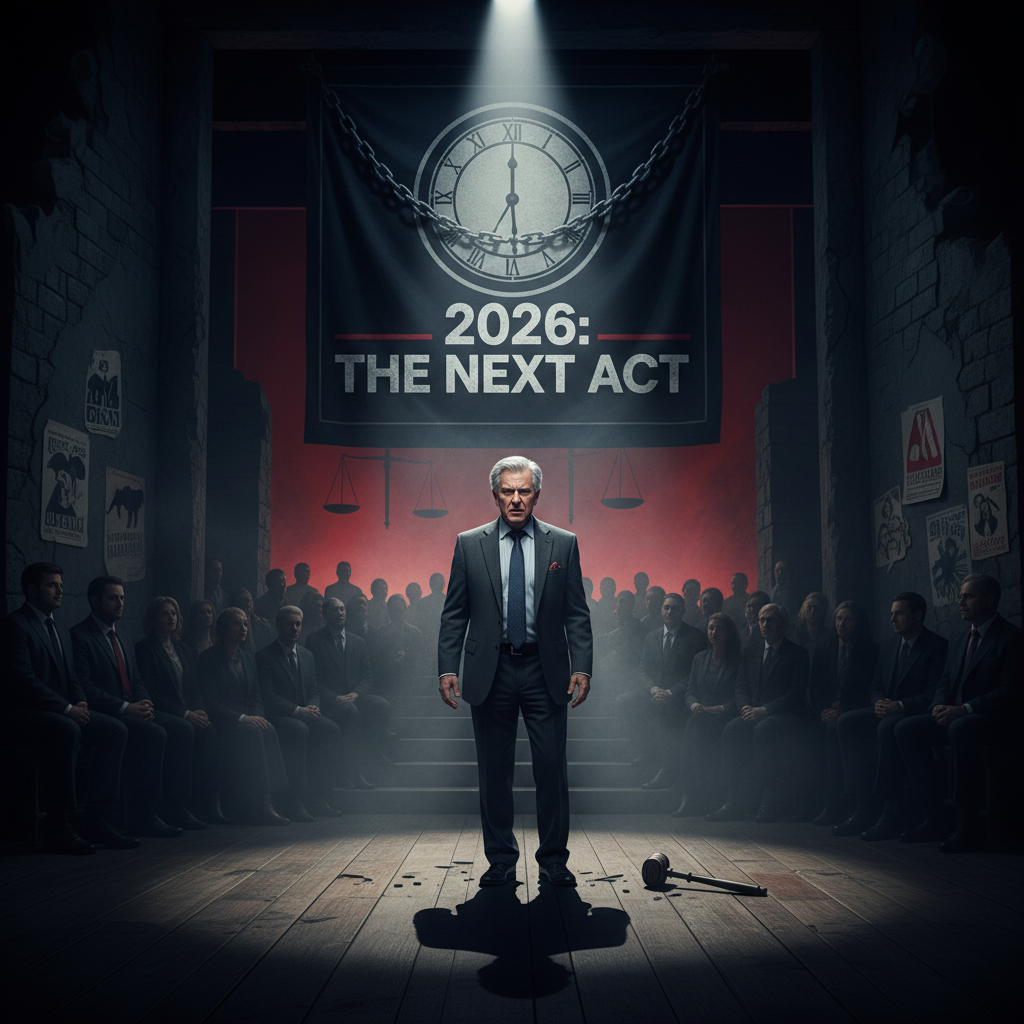
Impeachment in 2026 has become a tired routine, where Congress plays political theater rather than engaging in serious governance. With ongoing controversies and a jaded public, it's time to rethink what these proceedings really mean for American politics.
Imagine a play that no one wants to watch. The actors keep repeating their lines, and the audience? They’re either asleep or rolling their eyes. In June 2026, a dismal 53% of Americans believe there are grounds to impeach President Trump. That feeling isn’t just about him; it’s about the performance art that impeachment has become. There’s a sense of fatigue swirling around the political theater, and frankly, it’s hard to blame anyone for feeling this way!
Talking Points:
The political atmosphere in 2026 is thick with tension and distrust. The Trump administration’s controversies, ranging from allegations of corruption to managing military actions in Iran, have painted a chaotic backdrop. The people are tired. They’ve seen this play many times, and they’re ready for a new script.
As the House of Representatives prepares for yet another round of impeachment rhetoric—having previously voted 237-140 to table impeachment articles—it seems like just another act of a familiar drama. In March 2026, Trump’s approval rating was under 40%. Those aren’t just numbers; they represent a populace bewildered by the spectacle.
Talking Points:
Breaking down the allegations is less about legal nuances, and more about the political football it has turned into. There are claims of abuse of power and executive overreach, but let’s face it: the intricacies are often lost in the spin. The allegations, like handling Epstein files or violations of war powers, get muddied along the way.
Are these serious issues? Yes. Are they treated as such? That’s a different story. The more we drown in the political noise, the more we miss the finer points. It makes you wonder: is impeachment being used as a political weapon to distract from broader issues?
Talking Points:
Both major parties see impeachment as a tool, not a constitutional duty. For Democrats, the card can rally their base, and, for Republicans, it can serve to unify against a common enemy. This manipulation of a constitutional procedure transforms it into nothing more than a show of hands. It’s a precarious dance.
When majority parties play their cards right, they gain power, while minority parties use public outrage to regain footing. In a climate of rampant political polarization, bipartisan efforts seem increasingly unrealistic. It’s like asking cats and dogs to befriend each other—nearly impossible.
Talking Points:
The concept of executive immunity is one tangled mess. It’s stunning how it has become a shield for potential wrongdoings. With the GOP in charge, traditional checks and balances have staggered under the weight of partisanship. What happened to oversight responsibilities?
We’ve witnessed executive branch abuses multiply like weeds while Congress plays the role of the clueless gardener, unwilling to pull them out. It’s a laughable charade, yet dire in its implications for governance. When did we let norms devolve into mere suggestions?
Talking Points:
Revisiting the past can be illuminating. The impeachment attempts in 2019 and 2021 weren’t just milestones; they set precedents that contribute to today’s uncertainty. Back then, charges of high crimes and misdemeanors ignited fiery debates. Fast-forward to 2026, and it feels like we’re stuck in a time loop, repeating the same tired conversations.
If there’s anything to glean from history, it’s this: political theater often drowns out substantive debate. Rather than learning from the mistakes of earlier attempts, each party seems more focused on winning the spotlight.
Talking Points:
Have you noticed how the public feels increasingly jaded about these proceedings? Ever feel like we’re trapped in a feedback loop where trust is consistently eroded? There’s a palpable cynicism surrounding impeachment processes. They seem less like serious governance and more like elaborate circuses designed to generate headlines and clicks.
That intensity gap among citizens is no joke. Public apathy towards the impeachment theater signifies a troubling trend in civic engagement or, rather, the lack thereof. When impeachment feels like a poorly-scripted television drama, the audience understandably tunes out.
Talking Points:
Let’s be honest: how much of this high-stakes drama is about real change? When articles of impeachment sound more like a script than genuine action, we have a problem. The House is caught in a cycle of performative politics, often prioritizing theater over substance.
In this light, impeachment proceedings begin resembling a game show where the real prize gets lost: actual accountability.
Talking Points:
Every time Congress ducks its responsibility, it’s like a round of applause for executive overreach. With diminishing checks and balances, we’re inching toward a constitutional crisis where the executive holds all the cards.
The long-term damage? It’s profound. The events of 2026 may very well shape how we perceive government authority and the trust we place in its institutions. This isn’t just about Trump. It’s about the very health of our political landscape.
It’s clear: the spectacle of impeachment isn’t just tedious; it’s become an empty ritual. The continuous back-and-forth, filled with political posturing and little resolve, contributes to a greater erosion of institutional credibility. We need to ask ourselves—what’s the point?
As we move through 2026, it’s vital to scrutinize not just the allegations against leaders, but also what these controversies say about our political climate.
Engaging in genuine dialogue about governance might be the antidote we need. If you’ve found yourself disillusioned by this charade, let’s hear your thoughts. Did you tune in, or have you turned off the channel entirely?
Let’s share experiences in the comments!
1. What are the main allegations against Trump in 2026?
The primary allegations include corruption, abuse of power, and violations of war powers, especially regarding military actions in Iran and handling sensitive Epstein files.
2. How does political polarization affect impeachment proceedings?
Political polarization increases the likelihood that impeachment is used as a strategic tool by both parties rather than as an earnest constitutional responsibility, leading to partisan gridlock.
3. What was the outcome of the last impeachment vote against Trump in 2025?
In December 2025, the House voted 237-140 to table articles of impeachment against Trump, indicating a divided Congress on this issue.
4. Why do many Americans feel cynical about impeachment?
A growing disillusionment stems from the repetitive nature of the impeachment process and a perception that it has become more about political theater than accountability.
5. What are the historical precedents for impeachment attempts?
Previous attempts to impeach Trump in 2019 and 2021 set the stage for today’s proceedings, revealing a cycle where political advantage often overshadows serious governance.