







Newsletter Subscribe
Join thousands of readers who get our Sunday Briefing: one email, five essential stories, zero fluff. Subscribe NOW!

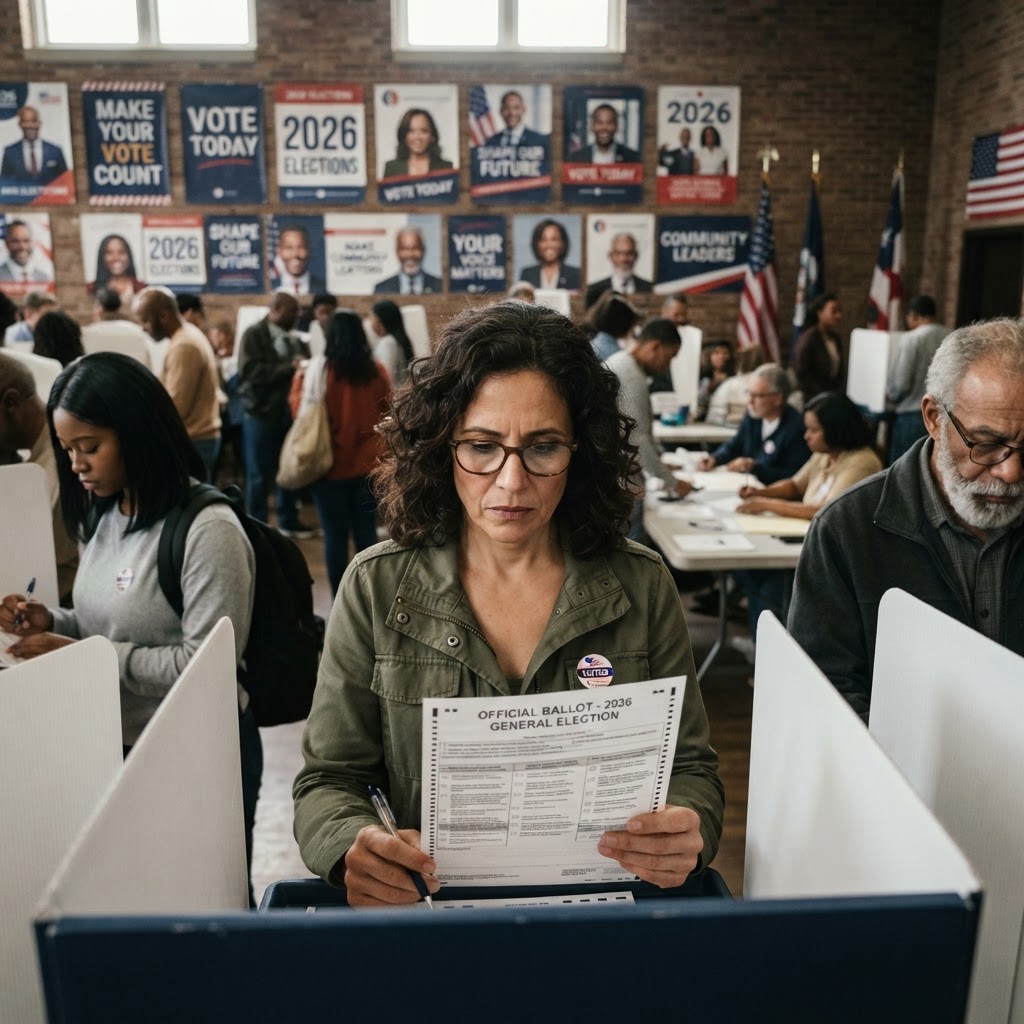
The 2026 Midterm Delusion illustrates the disillusionment surrounding U.S. midterm elections and the illusion of change they promise—highlighting systemic issues, the influence of money, and media's role in shaping public perception.
Talking Points:
Too often, we’re led to believe that every vote counts, that each ballot holds the power to change the tides of our political sea. Yet, I’ve watched election after election unfold, and the statistics tell a different story—voter turnout in midterms averages about 40%, a disheartening reality compared to the 60% we see in presidential elections. This not only reflects general apathy but highlights a larger, systemic problem. Like many, I used to think my vote would be my voice. But the truth? It often feels more like a whisper in a storm of political theater.
Talking Points:
As we approach the 2026 midterms, media outlets tout projections of record-breaking campaign spending—roughly $10.8 billion. But does this price tag cultivate real change? Often, it feels more like a mirage. Headlines scream about stakes, leaving out the crucial component: the incumbency advantage. Incumbents often win, no matter how much cash their opponents throw at the wall. So what’s the real impact of this political spending spree? Is it maneuvering behind closed doors or the public believing their one vote might actually steer the ship? I remember my first time voting—feeling empowered, believing I’d played a part in shaping the future. Yet here I am, cynicism creeping in.
Talking Points:
The president’s party has lost seats in Congress during almost every midterm election since the Civil War. But this isn’t just about party loyalty; it’s a structural flaw in governance. The U.S. Constitution’s founding features—bicameralism and separation of powers—build a ridiculous number of hurdles. Every law requires a consensus, which often leads to legislative gridlock. Political parties position themselves not just to win votes but to avoid accountability, creating a stalling mechanism. Elections may promise change, but reality is a cycle of constant inaction, leaving potential reforms hanging in the wind.
Talking Points:
So, let’s talk dollars and cents—because it’s not even close to just voters deciding outcomes. The rise of Ideological Political Action Committees (PACs) has shifted the game; they’re now dominant in federal primaries, outspending even traditional business sectors. With a staggering amount of money flowing from lobbyists, the concerns of everyday citizens often get lost in the noise. When voters feel their voices are merely drowned amidst a chorus of dollar signs, disillusionment increases. Isn’t it ironic? We’re all holding the cards, yet the deck is stacked against us.
Talking Points:
The U.S. government is beautifully designed—if your definition of beauty includes a colossal amount of obstruction. The check and balances in the system—crafted meticulously (oops, sorry!) by the founders—often lead to inaction. With political polarization rising at unprecedented levels, meaningful dialogue is a relic of the past. I’ve seen genuine issues take a backseat to fear-mongering and political maneuvering, breeding frustration on all sides of the partisan divide. So, get used to seeing the same issues surfacing year after year, while politicians pat themselves on the back for posturing.
Talking Points:
A staggering 82% of registered voters believe that money in politics threatens democracy. Yet here we are, time and again lulled into the idea that our ballots are some magic wand for change. With midterms, the disconnect grows. Voter amortization is rooted in a sense of futility; if money paved the way for outcomes, what difference can our votes truly make? I remember feeling buoyed by collective efforts—marching, advocating. It’s sobering to see the same struggle time and again, with little resolution.
Talking Points:
We’ve all heard politicians spouting off slogans that sound nice but often lack substance. Headlines shape narratives, and candidates masterfully manipulate rhetoric to distract us from the actual issues at play. This is where campaign finance shows its dirty underbelly, with candidates spending far more on PR stunts than on solutions. I recall election seasons where issues like education and healthcare felt like nothing but background noise, overshadowed by the drama and theatrics of it all. It’s like tuning into a reality TV show—you know it’s not real, yet somehow, you can’t look away.
Talking Points:
Voting feels essential to democracy, yet it’s often merely the tip of the iceberg. Beneath the surface, institutions are fortified against meaningful change. Take a step back, and you’ll notice how the revolving door of lobbyists, coupled with entrenched political interests, disenchants even the most spirited voter. This widespread disenfranchisement leaves many to wonder if their participation makes any real difference. And after seeing this play out, it’s hard not to ask: what power does my vote really hold when the system seems so fixed?
Talking Points:
Examining media roles is crucial. Time and again, the coverage focuses on who leads in polls rather than discussing policies or the implications of even contentious legislation. It’s the ultimate political theater, drawing audiences in but rarely offering genuine insight into meaningful issues. Watching pundits throw around buzzwords makes my skin crawl; it’s as if they revel in the soap opera rather than foster genuine debate. The question is: does this facade ultimately cause larger rifts in public trust? It seems to me the more we tune in, the more disconnected we become.
As I look at the political landscape leading up to 2026, I can’t help but feel an amalgamation of cynicism and a desperate hope for meaningful change. We need to challenge conventional beliefs about our electoral system—failing to do so means we’re setting ourselves up for the same disillusionment election after election. Let’s start fostering an environment where we question, push boundaries, and demand accountability! Your vote is vital—and so is understanding its limitations. So, share your experiences below; let’s start a real conversation about our rights and responsibilities as citizens!
Q1: Why do midterm elections have lower voter turnout?
A1: Voter turnout in midterms averages around 40%, often due to a lack of engagement and perceived stakes compared to presidential elections, where turnout can reach around 60%.
Q2: How does campaign finance influence election outcomes?
A2: Money plays a massive role; candidates who outspend their opponents often secure victory, with 94% of House candidates who spend more winning their races.
Q3: Are midterm elections effective for policy changes?
A3: Generally no. Due to structural gridlock and entrenched interests, midterms often yield little substantial change in policy, despite what candidates may claim.
Q4: How does the media impact voter perception?
A4: Media often amplifies political theater rather than substantive issues, fostering public cynicism and diminishing the perceived value of individual votes.
Q5: What can be done to address voter apathy?
A5: Greater focus on genuine public engagement, transparent discussions around systemic issues, and meaningful reforms can help combat feelings of disenfranchisement and empower voters.