






Newsletter Subscribe
Join thousands of readers who get our Sunday Briefing: one email, five essential stories, zero fluff. Subscribe NOW!

I explore how midterm election strategy relies on voter manipulation and how parties prioritize base mobilization over genuine constituent representation.
When over 88 million eligible citizens skip the polls, you might call it apathy. I call it a rational response to a rigged game. We act like the midterm election strategy is a contest of ideas, but it is really a cold calculation of demographic survival.
Talking Points: How crises get manufactured. The role of partisan polling strategies. Why division pays.
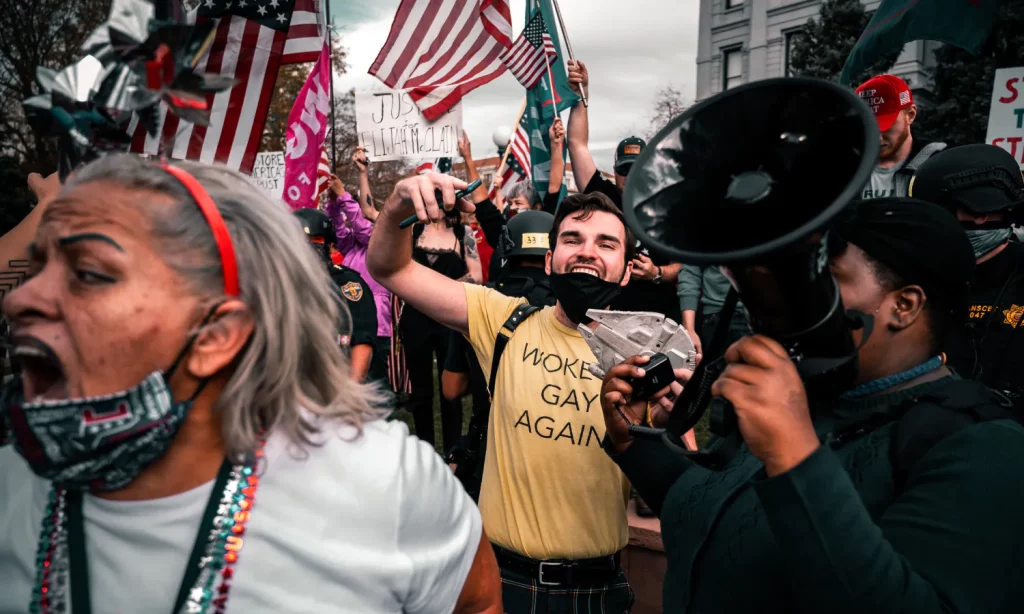
Political parties do not want consensus. They want you angry. They feed us a steady diet of manufactured crises to keep the base agitated and ready to show up at the polls. It keeps the funding flowing. When I look at the ads clogging my screen, I see a business model built on conflict. They map out emotional triggers, not policy needs. You are just a data point in their grand scheme to maintain incumbency advantage.
Talking Points: Donor influence on platforms. Constituent needs ignored. The $15.9 billion shadow.
Money owns the megaphone. With $15.9 billion spent in the 2024 cycle, the scale is staggering. I used to think my vote had weight, but donor influence drowns out the average voice every single time. It is a 16-to-1 ratio of business-to-labor spending, which tells you exactly who gets a seat at the table. Your representative answers to the checkbook, not the ballot box.
Talking Points: Psychological triggers in ads. Negative campaigning impact. How fear drives turnout.
Fear is the cheapest campaign tool. They push buttons that trigger deep-seated anxieties about the country losing its way. It works. I once watched a consultant explain how a simple, scary headline could swing a district by three points. It is not about logic. It is pure, unfiltered manipulation.
Talking Points: Micro-targeting limits. How voters get boxed in. Digital suppression tactics.
They slice us into tiny pieces. These micro-targeting techniques aim to keep certain people home while firing up others. It turns out that digital voter suppression is a real thing, dropping turnout among minority groups by nearly 2%. You think you are seeing a personalized message. Really, you are being shoved into a demographic box.
Talking Points: Why base mobilization wins. The death of the middle. Why focus is shifted away from independents.
Campaigns ignore the middle. They know that changing a mind is hard work, but riling up a partisan base is cheap and fast. You see less effort put into winning hearts and more into stacking the deck. This is why you feel invisible if you do not fit a neat partisan label.
Talking Points: Budget allocation realities. Grassroots organizing vs. ad spending. The cost of political branding.
Follow the budget and you see the truth. Most of the money does not go to helping people. It goes to political branding and consultants who know how to keep the machine running. Real grassroots organizing is a distant second to high-priced media buys.
Talking Points: Performance art politics. Headline-driven cycles. How media fragmentation feeds polarization.
News is just background noise for campaigns now. Headlines are written to be inflammatory, and candidates perform to match the outrage. It is a closed loop of nonsense that leaves voters scratching their heads. We are stuck watching a reality show where the stakes are our actual lives.
Talking Points: Why districts stay safe. The 8% competitive stat. Geographic sorting effects.
Only 8% of House seats are actually competitive. The rest are decided before the first vote is cast. They drew the maps to make sure their party stays put. When districts are safe, politicians have zero reason to listen to you.
Talking Points: Why low turnout is expected. Strategic non-voting effects. Reclaiming personal agency.
They count on you staying home. If you do not vote, you do not exist to them. It is a trap. I keep showing up just to spoil their math. My vote might not change the world, but it ruins their perfect prediction models.
Talking Points: How to read between lines. Evaluating political ads. Ignoring the noise.
Learn to spot the cues. When a candidate uses a wedge issue, they are hiding their policy agenda. Look at who pays them. Look at their record, not their tweets. It takes effort, but reading the fine print makes the whole charade less effective.
We are being managed. They want us cynical, tired, and unengaged. But your agency is the one thing they cannot control. Study the patterns. See through the noise. Question every damn thing they tell you. If you have seen through their tactics, tell me how you handle the next election cycle in the comments below.
1. Question: Is it worth voting if most districts are not competitive? Answer: Yes, because turnout numbers affect party strategy and donor enthusiasm in future cycles. 2. Question: Does micro-targeting really influence my final decision? Answer: It influences your engagement levels and can suppress your motivation, but rarely changes a firm position. 3. Question: Why is there so much focus on the base instead of the middle? Answer: Mobilizing a base is statistically more efficient and cheaper than trying to convert a skeptical independent voter. 4. Question: Can we reduce the influence of dark money in elections? Answer: Real change requires legislative reform on campaign finance disclosure, which incumbents rarely support. 5. Question: How do I know if an ad is a manipulation tactic? Answer: If an ad relies on high-emotion, fear-based language rather than specific policy outcomes, it is meant to manipulate your reaction.