







Newsletter Subscribe
Join thousands of readers who get our Sunday Briefing: one email, five essential stories, zero fluff. Subscribe NOW!

Most activism fails because it prioritizes vanity metrics and performative outrage over actual power dynamics. I break down why your current strategies aren't working and how to pivot toward measurable, systemic change.
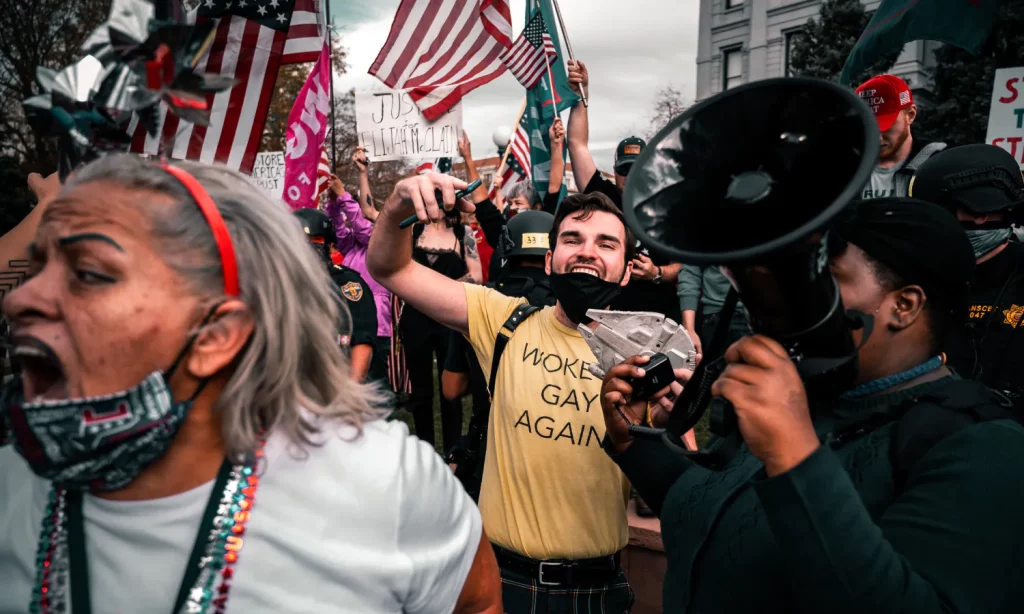
I once stood in a crowded square with three thousand people shouting slogans. We felt invincible. A week later, the policy we fought remained untouched, and the politicians involved didn’t even acknowledge our existence. That failure hit me hard. It forced me to realize that raw emotion and loud voices rarely scare entrenched power structures into changing their behavior.
Talking Points:
* The gap between noise and impact.
* Why idealism often ignores mechanics.
* Moving from feelings to force.
Most activism fails because it prioritizes feeling good over winning. We build campaigns like they are social club events rather than battles for institutional reform. It is pure theater. You can sign all the petitions you want, but without a clear organizing framework, you are just background noise.
Talking Points:
* Digital versus physical activism.
* The filter bubble problem.
* Why clicks are not currency.
I watch people share infographics and think they finished their civic duty for the day. That is the slacktivism trap. Research shows that social media often traps us in filter bubbles where we only talk to people who already agree. Real change requires breaking out of that loop and engaging with actual humans in the physical world.
Talking Points:
* Identifying the right pressure points.
* Moving past simple awareness.
* The necessity of political leverage.
Awareness campaigns are usually a waste of time. Everyone already knows the problem exists. You need to identify specific people in power and make it more expensive for them to ignore you than to meet your demands. That is political leverage, and it is the only thing that works.
Talking Points:
* Why shouting rarely works.
* Mapping the power structure.
* Targeted, not broad, agitation.
Shouting from the sidelines is comfortable. It protects you from the mess of actual negotiation. If you want results, you must map out who holds the keys to the decisions you want changed. Stop yelling at the clouds and start finding the specific pressure points that make your opponents uncomfortable.
Talking Points:
* The need for professionalized organization.
* Where money and time go.
* Strategic goal setting versus waste.
I learned the hard way that good intentions don’t pay for office space or database tools. Professionalized organization is not a dirty word. It is a survival skill. You must put your limited resources into things that actually grow your membership and recruitment capacity.
Talking Points:
* Conflict as a catalyst.
* Momentum through high-frequency action.
* Maintaining pressure over time.
People hate conflict, but it is the engine of change. You don’t need a million people if you have a thousand people acting with high velocity. When you concentrate your activities in time, you create systemic movement momentum. Make your presence impossible to ignore.
Talking Points:
* Internal opposition and dissent.
* Keeping the mission clear.
* Dealing with bad faith actors.
Every movement has people who want to derail your focus for their own gain. You must identify and neutralize them before they infect your strategy. Keep your group tight and your eyes on the goal. If you let every side issue in, you will never get anywhere.
Talking Points:
* Why compromise is often needed.
* Winning versus feeling righteous.
* The danger of ideological purity.
Everyone wants a movement that is 100% pure and agrees on every single issue. That kind of movement never wins. You have to decide if you want to win a seat at the table or stay on the street corner feeling superior. Real success requires making hard choices about alliances.
Talking Points:
* Vanity metrics versus reality.
* Legislative and cultural shifts.
* Asking the right questions.
91% of advocacy groups track things like follower counts that mean absolutely nothing for policy. These vanity metrics feed our egos but tell us nothing about our influence. Start measuring how many officials you met or how many policy drafts changed because you showed up at the right time.
Talking Points:
* The path to long-term impact.
* Avoiding the trap of burnout.
* Taking the next step.
Stop performing for the cameras and start doing the grinding work of base building. You need 3.5% of the population involved in sustained, smart activity to change a system. That is the number that matters. Go get those people, treat them like members of a team, and actually force the hand of your opposition. Let me know what you think in the comments.
1. How does high-frequency action replace the need for massive participant numbers? By concentrating protest events into short timeframes, you maximize disruption, forcing authorities to respond quickly even if the total group size is smaller than a massive, one-off rally.
2. Why are vanity metrics so dangerous for modern activist groups? They offer a false sense of success that masks a lack of real-world political influence, causing leaders to waste money and time on efforts that fail to change policy.
3. Is leaderless organization always a mistake for grassroots movements? Not necessarily, as these structures are fast at initial mobilization, but they almost always struggle to maintain the long-term, complex strategy needed to force institutional reform.
4. How can a movement survive when internal members disagree on strategy? You must prioritize shared outcomes over ideological purity, focusing on the specific political levers that produce change rather than demanding absolute agreement on every peripheral issue.
5. What is the most common reason grassroots campaigns fail to reach their goals? They usually fail because they mistake building a brand or awareness for building power, leaving them unable to apply the consistent, directed pressure required to change legislative outcomes.