








Newsletter Subscribe
Join thousands of readers who get our Sunday Briefing: one email, five essential stories, zero fluff. Subscribe NOW!

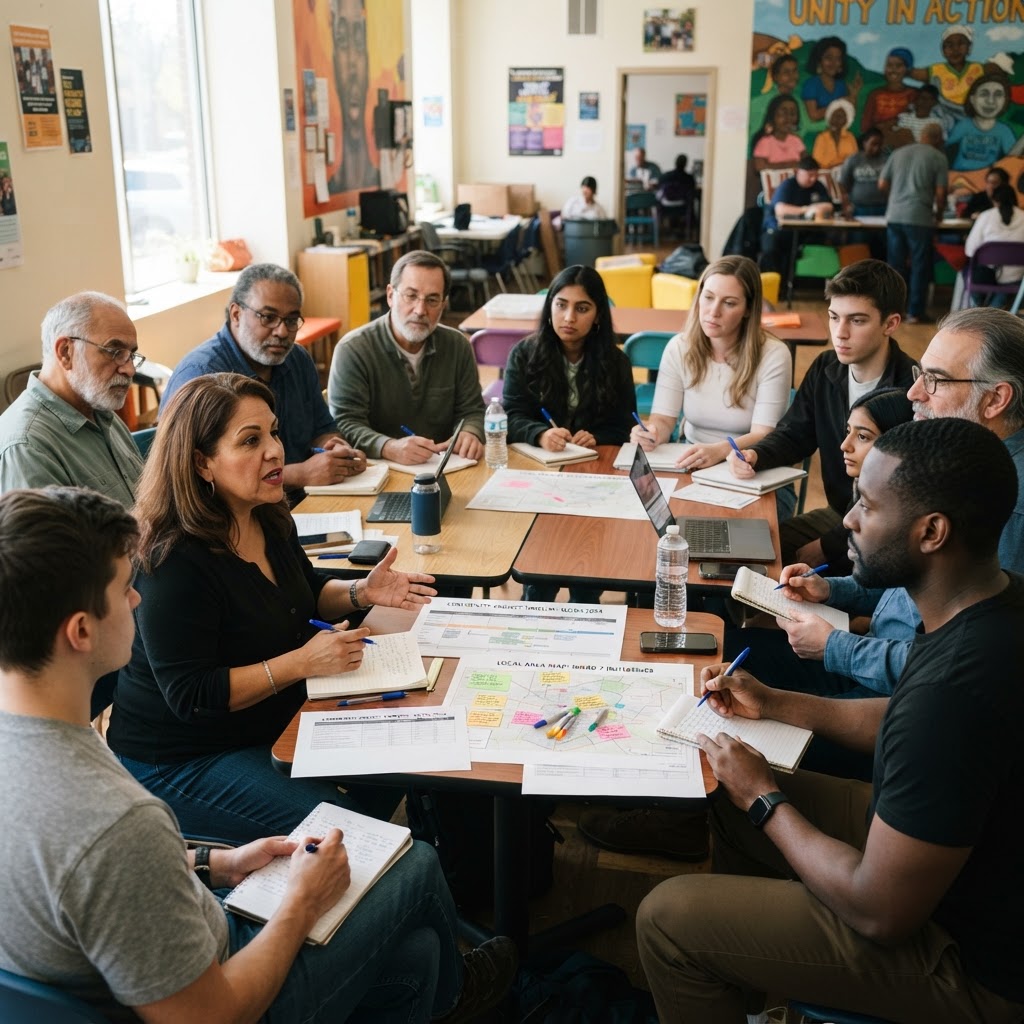
Most people think clicking a share button constitutes political engagement. It is a lie. That red heart or retweet is a dopamine hit, not an act of civic engagement. Real change is slow and boring, and it starts with actual community organization.
Talking Points:
* The fallacy of digital slacktivism.
* Why platforms profit from your outrage.
* The difference between noise and signal.
Most people think clicking a share button constitutes political engagement. It is a lie. That red heart or retweet is a dopamine hit, not an act of civic engagement. You feel good for five seconds while the actual power structure continues grinding away, indifferent to your digital vent. I have seen hundreds of viral hashtags vanish within a week. Nothing changed, but everyone felt righteous. That is exactly what the system wants. Performative outrage keeps you busy while the real work remains untouched.
Talking Points:
* Power dynamics versus popularity.
* The necessity of a bottom-up structure.
* Why grassroots political organizing tips often miss the mark.
People love throwing around the term grassroots. They use it to describe anything from a corporate-funded astroturf campaign to a local bake sale. Real grassroots political organizing isn’t about being popular. It is about shifting power dynamics. You are building a base that can actually force a decision-maker to blink. If you aren’t changing who holds the cards, you are just running a social club.
Talking Points:
* Identifying the real decision-makers.
* Why your target is often a puppet.
* Using community power mapping to find leverage.
When I started, I wasted years barking at the wrong people. I held protests outside office buildings that had zero influence over the policies I hated. Effective political activism strategies begin with brutal power mapping. You need to map out who actually controls the money and the votes. Sometimes it is the person in the fancy chair. Often, it is the quiet donor or the lobbyist nobody talks about.
Talking Points:
* Moving beyond vanity metrics.
* The value of deep, long-term relationships.
* Building political power locally through sustainable structures.
Stop chasing numbers on a petition. A thousand signatures from people who don’t know you mean nothing. You need ten people who are ready to show up at 7:00 AM on a Tuesday. This is community mobilization tactics in action. You are cultivating a network that functions when the internet goes down. That is how you win.
Talking Points:
* Engaging with people who disagree.
* Moving past echo chambers.
* Practicing relational organizing in high-tension environments.
I once spent three hours talking to a guy who voted for the exact person I despise. We didn’t agree on a single thing for the first hour. But by the end, we found a shared concern about local water quality. Political organizing for beginners often fails because people hide in comfort zones. If you cannot talk to your neighbor, you cannot build a movement.
Talking Points:
* Recognizing the symptoms of activist fatigue.
* Creating structures that outlive the news cycle.
* Implementing sustainable activism practices as a baseline.
Most groups collapse six months after they start. The initial adrenaline wears off and the work gets boring. If your model relies on constant crisis mode, you are toast. Sustainable activism practices aren’t just for self-care. They are for organizational survival. You need a rhythm that doesn’t demand everyone’s soul every single day.
Talking Points:
* Knowing when to lobby and when to bypass.
* Fighting bureaucratic inertia with focused pressure.
* Balancing legislative advocacy with frontline action.
You cannot lobby a stone wall. Sometimes the system is designed to ignore you. When that happens, you stop asking and start acting. Direct action isn’t about chaos. It is about making it impossible for the bureaucracy to ignore your existence. Know the difference between a board meeting and a protest. Choose your weapon based on the objective, not your feelings.
Talking Points:
* Avoiding premature professionalization.
* Staying true to the core mission.
* Keeping the edge when money starts flowing.
Money changes everything. When a small group starts getting grants, they often hire consultants and print slick flyers. The urgency disappears. The edge softens. Professionalization is often the slow death of a movement. Keep your grassroots infrastructure lean and mean. Don’t let a budget dictate your morality.
Talking Points:
* Why tracking outcomes matters more than efforts.
* Avoiding vanity metrics like petition counts.
* Understanding political efficacy through wins.
If you don’t track your outcomes, you are just doing theater. Did the ordinance change? Did the person in power lose their seat? Did the budget shift? If you can’t point to a material difference, be honest about it. Stop counting clicks. Start counting changes in the lives of your community stakeholders.
Real change is slow and boring. It happens in fluorescent-lit basements during Tuesday night city council meetings. There is no fanfare. There are no cameras. If you want to change the world, get ready to be tired and annoyed for a very long time. Stop looking for a shortcut. Start the hard work today. If you have been doing this for a while, tell me in the comments what actually moved the needle for you.
1. Question: What is the biggest mistake new organizers make? Answer: Trying to move everyone at once instead of building deep, local relationships that can actually exert pressure.
2. Question: Is social media completely useless for organizing? Answer: It is great for sharing information but useless for building the trust required to win actual, lasting political victories.
3. Question: How do I handle people who refuse to cooperate? Answer: Focus your energy on those who are open to the cause; don’t waste time trying to convince the hostile minority when the undecided majority is right there.
4. Question: Is it possible to avoid burnout entirely? Answer: No, but you can build systems where individuals don’t have to carry the weight of the entire movement on their own shoulders.
5. Question: What does a successful power map look like? Answer: A clear list of who makes decisions, who influences those decision-makers, and what specific leverage points you can use to change their minds.