






Newsletter Subscribe
Join thousands of readers who get our Sunday Briefing: one email, five essential stories, zero fluff. Subscribe NOW!

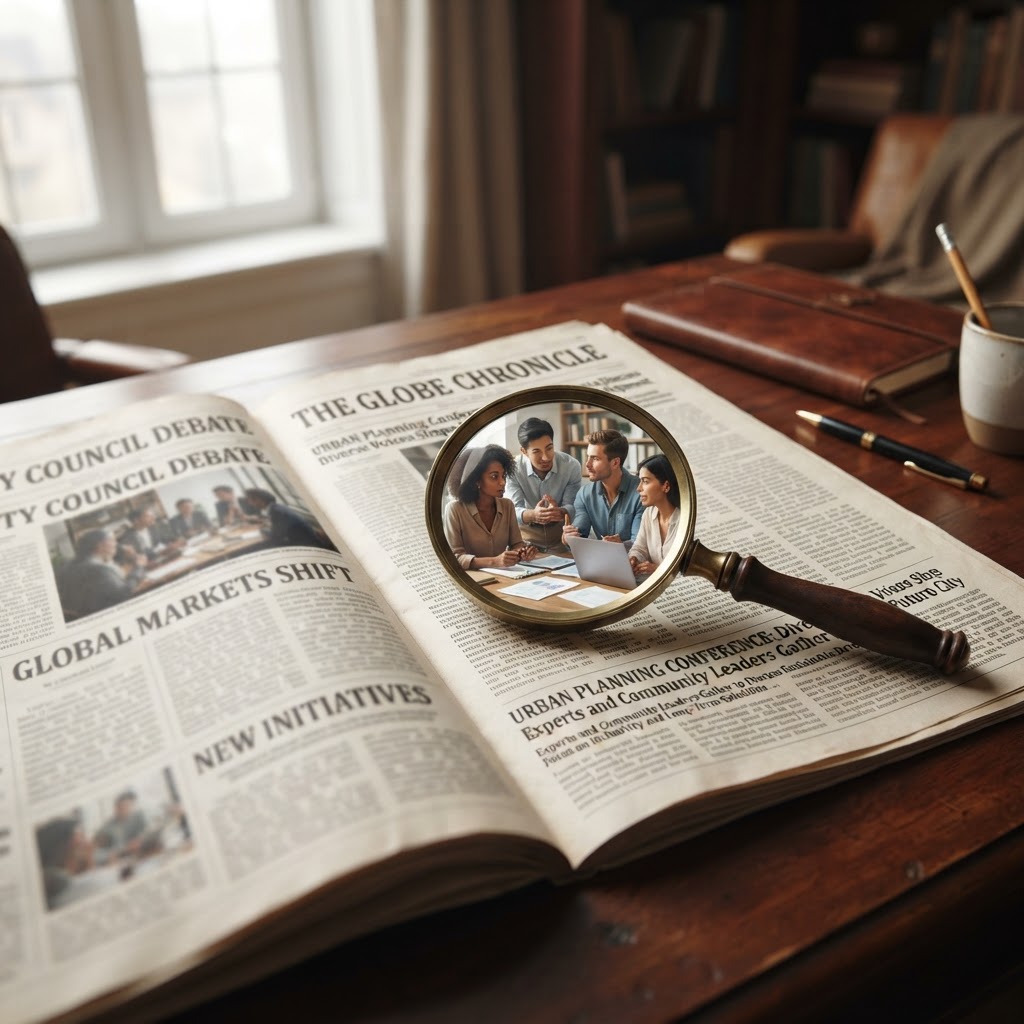
Don't be a pawn in someone else's information war. Learn to spot media bias, decode loaded language, and reclaim your critical thinking skills with this no-nonsense guide.
Talking Points:
* The myth of neutral reporting.
* Why nine in ten people distrust the news.
* Recognizing your own role in the information cycle.
I used to trust the evening news implicitly. I believed reporters were just people with microphones and a desire for truth. I was wrong. Nine out of ten Americans suspect the media is pushing an agenda, and they are usually right. We aren’t being informed; we are being managed.
Objectivity is a fairy tale. Journalists are humans with personal histories and invisible pressures. They bring their baggage to every story they tell. If you pretend they are neutral, you lose. You become a passenger instead of a driver.
Talking Points:
* The mechanics of media manipulation tactics.
* Understanding news framing as a tool.
* Why editorializing ruins credibility.
Bias isn’t always an explicit lie. It is often a game of selection. If a news outlet shows you ten facts but leaves out the three that make the other side look good, they have lied by omission. This is a classic media manipulation tactic.
Watch for the framing effect. How a story is presented defines how you feel about it. A protest becomes a “riot” or a “demonstration” depending on which adjective the writer chooses. The language is the trap. Watch out for loaded words designed to spark your anger.
Talking Points:
* Identifying partisan narratives in headlines.
* Why news outlets use sensationalism.
* Bias by labeling explained.
If a headline makes your heart race, stop. Someone is trying to trigger you. Sensationalism pays the bills. They want your clicks, not your enlightenment. If they call someone “far-left” or “extreme right,” they are biasing your perception before you read the first sentence.
This is bias by labeling. It’s a cheap trick. They want you to dismiss a person or group based on a tag rather than their actual argument. When you see loaded words, call them out. Don’t let them do your thinking for you.
Talking Points:
* The impact of media conglomerate ownership.
* How advertisers influence coverage.
* Separating corporate interests from news.
Follow the money. News is a business, and media conglomerate ownership is a massive factor. If an outlet is owned by a firm with investments in the industry they are reporting on, watch out. They aren’t going to bite the hand that feeds them.
Corporate media agenda is real. Advertisers want content that keeps you staring at the screen. Sometimes that means feeding your confirmation bias rather than challenging your views. If you don’t pay for the product, you are the product.
Talking Points:
* Recognizing gatekeeping in newsrooms.
* The power of source attribution.
* Why what is left out matters.
Gatekeeping is the quietest form of manipulation. Editors decide what is news. If they don’t cover it, it didn’t happen for half the country. This creates massive blind spots in our shared reality.
Pay attention to source attribution. If a story relies on an anonymous source for a major claim, ask why. Is there physical evidence? If there is no transparency about how they got the information, you should stay skeptical. Trust must be earned, never assumed.
Talking Points:
* Distinguishing between opinions and facts.
* Identifying when both sides are treated as equal.
* The danger of forced balance.
Journalism loves a fight. They present two people screaming at each other and call it fair. Often, it is just false equivalence. If one person says the sky is blue and the other says it is neon green, you don’t give them equal time. That isn’t balance.
Objective journalism vs opinion is a thin line now. Opinion pieces are often disguised as news reports. Check the byline. If it says “Analysis,” you are reading an opinion. It’s okay to have opinions, but don’t confuse them with facts.
Talking Points:
* How algorithms build echo chambers.
* The impact of cognitive dissonance.
* Breaking the cycle of personalized feeds.
Your social media feed is a mirror. It shows you what you already like. Algorithmic bias ensures you stay comfortable. When you see information that challenges your worldview, your brain experiences cognitive dissonance, and you want to close the tab.
Don’t close it. That uncomfortable feeling is where learning happens. Go find the other side’s best argument. If you can’t describe your opponent’s position better than they can, you don’t know enough to disagree with them.
Talking Points:
* Applying the CRAP acronym to news.
* Using reverse image search effectively.
* Metadata analysis for visual media.
I use the CRAP method. Currency, Relevance, Authority, and Purpose. It works for every source. Is it current? Is it relevant to the core issue? Who is the authority? Most importantly, what is the purpose? If the purpose is to sell outrage, discard it.
Verify everything. If you see a photo that looks too perfect, do a reverse image search. Check the metadata. We are in an era of cheap fakes and deepfakes. Your eyes are not as reliable as you think they are.
Talking Points:
* Why total objectivity is impossible.
* The importance of media literacy skills.
* Developing a personal news diet.
Stop looking for a perfect news source. It doesn’t exist. The goal is to limit your exposure to the most toxic spin. Read widely from different perspectives. Learn to spot the patterns of manipulation.
It takes effort to be smart. You have to read, compare, and verify. It is exhausting, but it is worth it. You gain a level of peace when you aren’t constantly being jerked around by the latest cycle of fear.
Talking Points:
* Summary of defense tactics.
* Taking personal responsibility for information.
* Call to action for readers.
We live in a world of endless noise. You can choose to be a useful idiot or an informed citizen. It’s your choice. Pick the latter every time. Use the tools here to protect your mind from being manipulated by biased actors.
Check your own biases before you blame the media. What stories do you want to be true? Start there. I want to hear how you verify your news. Drop your best tips in the comments below.
1. Question: Is there any news outlet that is truly unbiased? Answer: No, total objectivity is impossible because every journalist is a human with a perspective. Focus on identifying the bias rather than finding a “perfect” source.
2. Question: What is the biggest sign that an article is manipulative? Answer: Look for highly emotional language and a lack of primary source links. If an article wants you to feel angry instead of informed, it is likely using sensationalism.
3. Question: How do algorithms create echo chambers? Answer: Platforms track your clicks and likes to feed you content that matches your existing beliefs. This reinforces your views and prevents you from seeing different perspectives.
4. Question: What should I do if I find a story I like but the source is biased? Answer: Look for the core facts in the story and search for them in multiple other outlets. If everyone is reporting the same set of facts, you can be more confident in the truth.
5. Question: Why is it important to learn media literacy? Answer: It protects your independence. When you understand how news is framed and sold, you stop being an easy target for misinformation and partisan spin.