




Newsletter Subscribe
Join thousands of readers who get our Sunday Briefing: one email, five essential stories, zero fluff. Subscribe NOW!

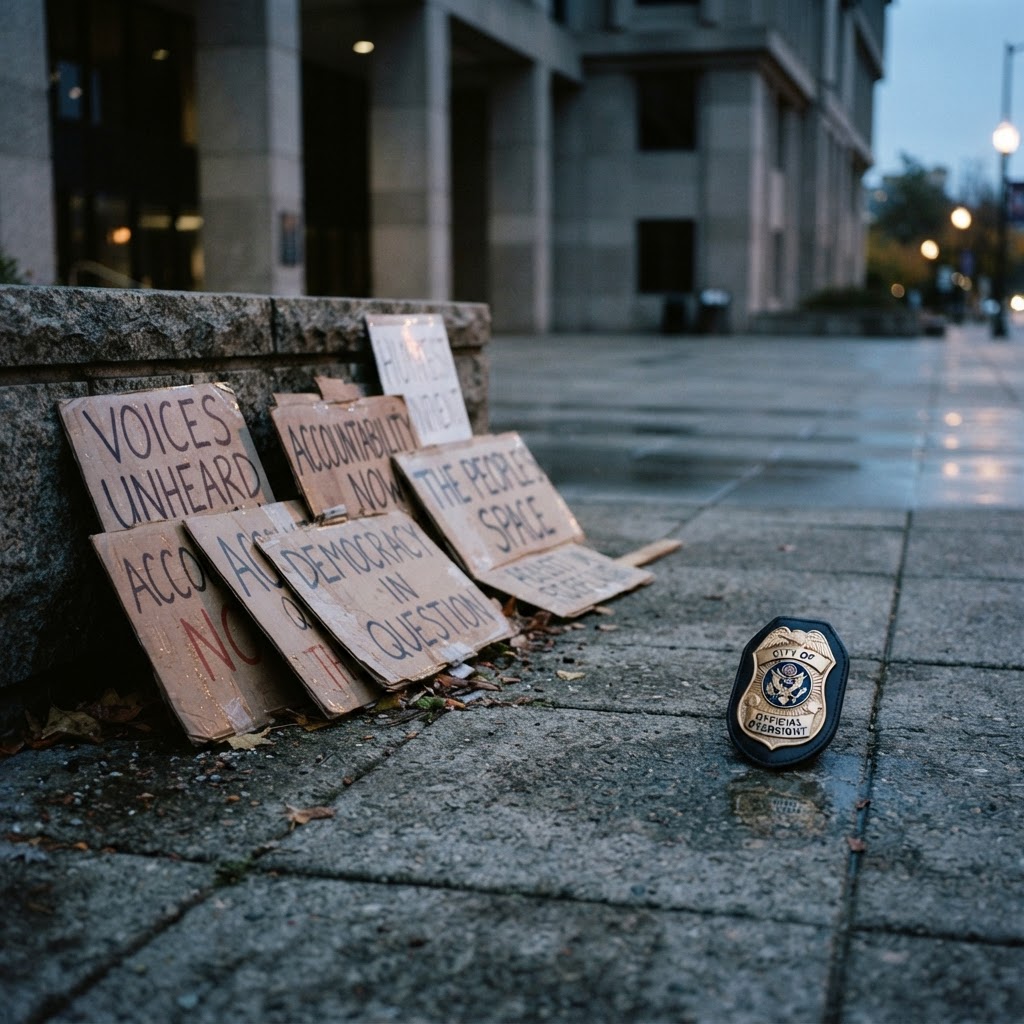
Analyzing the expansion of federal power during domestic protests and the erosion of civil liberties through the lens of recent DHS tactical operations.
Talking Points:
* The myth of peaceful demonstration stability.
* Dissecting the DHS protest crackdown analysis.
* The psychological impact of surveillance.
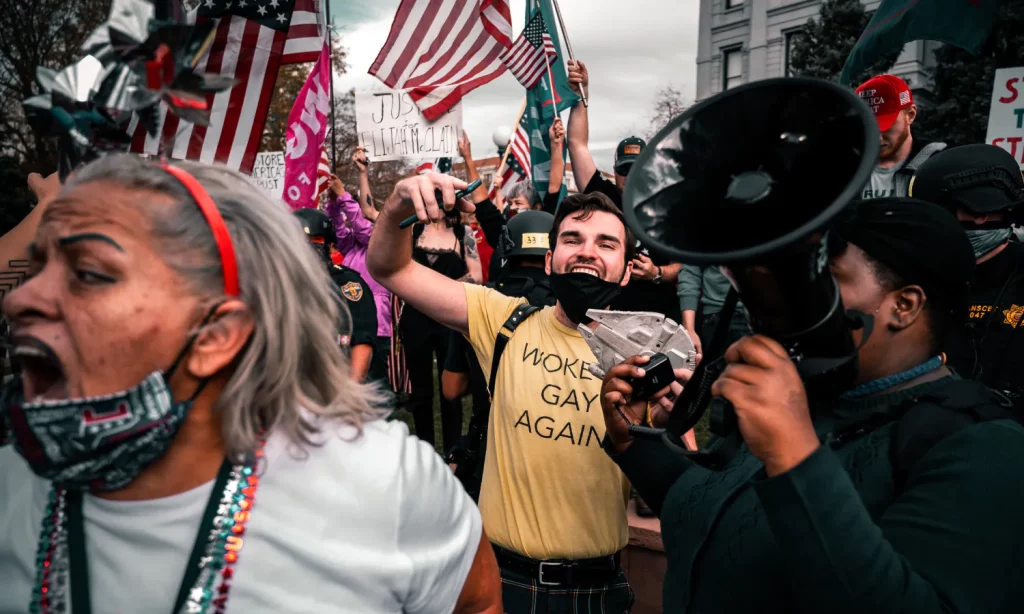
Ninety-five percent of the over 10,000 demonstrations back in 2020 were completely peaceful. Yet, we watch the news and see militarized gear and tear gas clouds. It feels like a coordinated effort to break spirits. My own experience at rallies taught me that order is often just a synonym for silence.
Talking Points:
* Expansion of federal agency scope.
* Constitutional mandates vs local autonomy.
* The danger of unchecked executive power.
Federal law used to keep agencies like Customs and Border Protection within 100 miles of a border. Now, they show up in cities thousands of miles away. It reeks of executive branch overreach. They claim it is national security, but it feels like a violation of state sovereignty.
Talking Points:
* Paramilitary deployment in local streets.
* The reality of asymmetric policing.
* Public trust erosion through aggressive action.
They bring the gear designed for battlefields into our downtown cores. It changes how people act. When you see soldiers walking toward you, you freeze. That is the point of these protest suppression tactics.
Talking Points:
* First Amendment rights violations.
* The limits of federal jurisdictional mandates.
* Legal battles against agency overstep.
Lawyers are busy fighting injunctions against these tactics. Courts have stepped in before to stop federal agents from targeting journalists. We have to keep those legal fires burning. Without those checks, we are just waiting for the next abuse.
Talking Points:
* The equipment shift in police response.
* Surveillance infrastructure in plain sight.
* The visual language of intimidation.
Watching a local protest turn into a war zone is jarring. Why does a small town need armored personnel carriers? It is not for safety. It is for total control of the public space.
Talking Points:
* Massive staff turnover in civil rights offices.
* Whistleblowers and the internal culture shift.
* The destruction of internal accountability.
Hundreds of people in oversight roles were fired in recent years. It is no accident. When you remove the people tasked with protecting rights, you get institutional impunity. The oversight structure was gutted from the inside out.
Talking Points:
* Security as a cover for political suppression.
* The cost of trading liberty for quiet streets.
* How fear drives the policy machine.
“Safety” is a powerful word. Politicians use it to justify anything. They want you to think that protesters are the threat. In reality, the threat is the total loss of our basic rights.
Talking Points:
* The fallout of zero accountability.
* Why the public no longer believes the official line.
* Rebuilding from the wreckage of lost faith.
When agents face no consequences for their actions, they stop caring about the rules. I have seen this cycle repeat for decades. It ends with a public that views its own government as the enemy.
Talking Points:
* Trends in federal law enforcement overreach.
* The future of democratic dissent.
* Preparing for the normalization of protest suppression.
If we let them get away with this, they will do it again. Tomorrow, the target might change, but the methods will stick. We are setting a dangerous standard for what is acceptable behavior by federal agents.
Talking Points:
* Documenting and sharing what you see.
* The power of holding officials to account.
* Finding strength in organized resistance.
Stay alert and keep questioning the narrative. Do not take their word as truth. Your voice is a tool, so use it to expose the cracks in their armor. Let us keep a record of these events so they cannot rewrite history later.
We are walking a fine line between a functional republic and a police state. It is not going to get better on its own. You have to push back. Look for local groups that track these events and get involved with documenting the reality on the ground. Share your own stories in the comments below because silence is their greatest weapon.
What are the primary indicators of federal overreach during protests?
Look for the presence of unmarked vehicles, agents without clear identification, and the use of military-grade gear in areas well outside of federal property zones.
How does the 100-mile border rule affect domestic protest policing?
It was intended to limit federal agent influence to border regions, but agencies have interpreted jurisdictional limits loosely to justify deploying in major cities far inland.
Why does the removal of civil rights oversight staff matter?
When internal offices designed to monitor abuses are hollowed out, there are no internal mechanisms left to check power or address whistleblower concerns.
Is there any legal recourse for those who experience agent misconduct?
Yes, civil rights litigation and injunctions are the main paths for holding agents accountable, though the process is long and often requires support from advocacy groups.
What does the term militarization of police response imply?
It refers to the use of heavy weapons, armored vehicles, and battlefield-style tactical operations against domestic crowds, which shifts the goal from public safety to crowd suppression.