




Newsletter Subscribe
Join thousands of readers who get our Sunday Briefing: one email, five essential stories, zero fluff. Subscribe NOW!
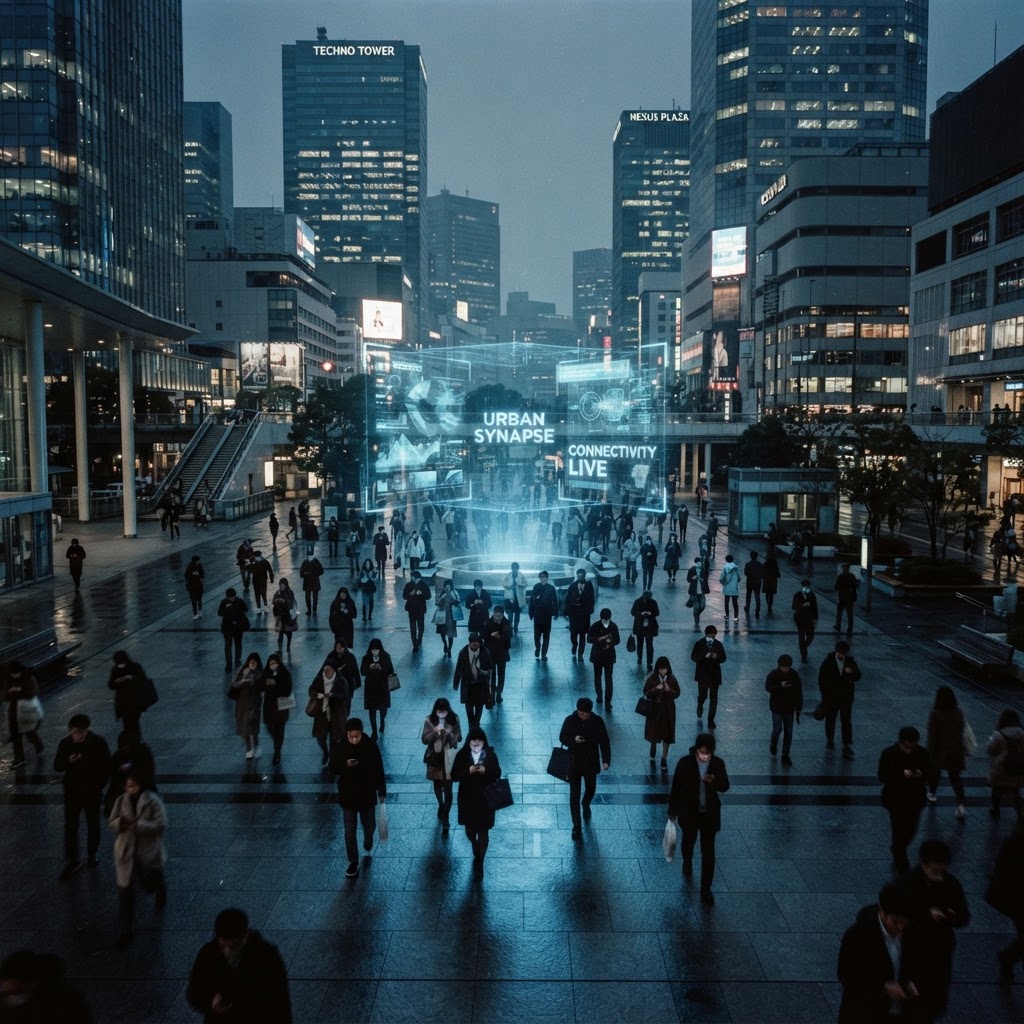
The 2026 political landscape is a masterclass in performative stagnation. With corporate spending soaring and trust in government at an all-time low, it is time to stop buying the theater and look at the reality of systemic decay.
Talking Points:
* The 2026 midterm election cycle reveals a deeply entrenched stagnation rather than genuine change.
* Public cynicism is at an all-time high as voters recognize the performative nature of political promises.
* Trust in the federal government among young Americans has cratered to just 15 percent.
I remember sitting in a local diner back in the early nineties, listening to folks argue about the exact same policies we are fighting over today. Nothing changes. The theater of 2026 feels like a tired rerun. We are promised new directions while the machinery of status quo politics grinds on, indifferent to our fatigue.
Only 15% of young Americans trust the government to do the right thing. That number alone should terrify anyone clinging to the idea that our institutions are working. I look at the news and see the same faces promising the same empty solutions. It is exhausting. We are trapped in a cycle of repetition that masquerades as progress.
Talking Points:
* Progressive primary victories hide the lack of systemic legislative impact.
* The friction between grassroots enthusiasm and institutional inertia remains a constant barrier.
* Ideological branding is prioritized over actual policy outcomes for the average citizen.
Candidates keep winning Democratic primaries by claiming they will break the mold. They win over 60% of these races, yet the legislative gridlock never budges. It is all optics. I have seen countless activists get energized only to hit a wall of bureaucratic indifference.
Winning a primary is the easy part. Changing the culture of a capital city designed to protect corporate interests is another game entirely. They use the language of radical change to secure votes, then settle into the comfortable rhythm of neoliberalism. It is a brilliant con, if you can admire the mechanics of it.
Talking Points:
* Elections are used to funnel energy away from systemic change toward temporary candidates.
* The 2026 election cycle trends emphasize short-term noise over long-term stability.
* Voter disillusionment analysis confirms that people realize their ballots change little regarding socioeconomic inequality.
Every two years, we get the same sales pitch. They tell us this election is the most important one yet. It is always the same line. I stopped believing it three decades ago. Elections function as a pressure valve, releasing just enough steam to keep the system from blowing up.
When we focus entirely on the ballot box, we lose sight of the structures that govern our lives regardless of who holds office. Political apathy is not a bug; it is a feature of a system that needs you to keep participating in your own subjugation. Why do we keep falling for the bait? It is a question I ask myself every single cycle.
Talking Points:
* The binary choice of two dominant parties drives voter apathy.
* Systemic decay is ignored in favor of attacking the opposition’s platform.
* Third-party viability remains nonexistent due to barriers created by the current institutional alignment.
I used to vote for the person I hated the least. That feels like a sucker’s game now. You vote for the lesser evil, and you still end up with evil. It is a classic trap. We are conditioned to fear the other side so much that we ignore the rot in our own house.
This is why so many people are checking out. They realize the game is rigged to benefit the architects of our misery. Watching the 2026 cycle is like watching a slow-motion car crash where both drivers agreed to hit the wall. You cannot build a future on the fear of what the other guy might do.
Talking Points:
* Corporate political spending has hit a record $517 million by mid-2026.
* Crypto, AI, and online betting are the new drivers of influence, accounting for 57% of spending.
* Campaign finance reform is a pipe dream while the current structure of democratic institutionalism remains intact.
Follow the money. It always tells the real story. We saw $517 million in disclosed spending by mid-year. That is a massive pile of cash meant to buy access and outcomes. Most of this money comes from crypto and Big Tech, sectors desperate to avoid regulation.
They are effectively writing the laws that will govern them. When you see a candidate talking about tech innovation, ask yourself who paid for their campaign signs. It is not some grassroots movement of the people. It is a boardroom decision that was funneled through a super PAC.
Talking Points:
* Social media activism frequently replaces tangible, on-the-ground organizing.
* Performative gestures gain traction while systemic issues like wealth disparity worsen.
* Grassroots mobilization must move beyond hashtag campaigns to achieve real power.
I see people posting their outrage online every single day. It feels good to post, right? It makes you feel like you are part of something. The reality is that likes do not change housing prices or fix systemic decay. It is just performative activism, designed to make the participants feel righteous without risking anything.
Real change happens when you stop shouting into the void and start building networks that exist outside the current power grid. We need to quit waiting for a savior candidate to descend from the clouds. Stop performing and start building. That is the only way out of this mess.
Talking Points:
* Political polarization 2026 has rendered a shared national narrative impossible.
* Media echo chambers reinforce existing biases rather than promoting critical thinking.
* Consensus is dead because the two parties serve entirely different realities.
There is no middle ground left. We are living in completely different versions of reality. If you watch one network, you see a country on the brink of greatness. If you watch another, you see a nation on the edge of collapse. Both are lying to you to keep you watching.
This polarization isn’t accidental. It is a business model. A divided citizenry is easier to control than a unified one. We fight each other over trivialities while the people at the top carve up the spoils. I learned long ago that if you want the truth, you have to look outside the echo chambers.
Talking Points:
* Both major parties rely on systemic decay to maintain their power grip.
* Progressive policy failures arise from attempting to fix a broken machine using its own broken parts.
* Intellectual rigor requires acknowledging that the system is functioning exactly as intended.
I have watched both parties fail for decades. They promise change, deliver nothing, and blame the other side. It is the perfect loop. Neither party has the answers because they are part of the problem. You cannot fix a foundation that was built to collapse.
We need to stop asking them for permission to exist. The system is designed to preserve itself, not to serve you. Recognizing this is the first step toward reclaiming your own agency. It is a harsh truth, but it beats believing in fairy tales.
Talking Points:
* Major media outlets act as gatekeepers for the acceptable range of discourse.
* Corporate interests define what is considered a ‘realistic’ policy goal.
* Media echo chambers actively discourage questioning the status quo politics narrative.
Do not trust the mainstream headlines. They have a vested interest in keeping the status quo alive. They frame the questions so that only certain, safe answers are possible. I have spent my career watching them edit out the most important parts of the story.
They call it news. I call it propaganda. When you realize the media is just a branch of the corporate lobbying machine, everything becomes much clearer. Start reading the fine print. That is where the truth usually hides, tucked away from the shiny distractions.
Talking Points:
* Abandoning hope is not the same as giving up; it is gaining clarity.
* Real power comes from intellectual honesty and localized action.
* The future of the American left depends on shedding the illusions of the past.
Stop hoping for a hero. Start relying on yourself and your neighbors. It is time to embrace a bit of cynicism if it leads to actual, hard-won knowledge. The future is not in the ballot box; it is in the choices we make when no one is watching.
We must demand more than just the status quo. If you disagree, tell me why in the comments. I am curious to hear if you still think this cycle is anything other than a farce. Let us keep the conversation honest.