








Newsletter Subscribe
Join thousands of readers who get our Sunday Briefing: one email, five essential stories, zero fluff. Subscribe NOW!

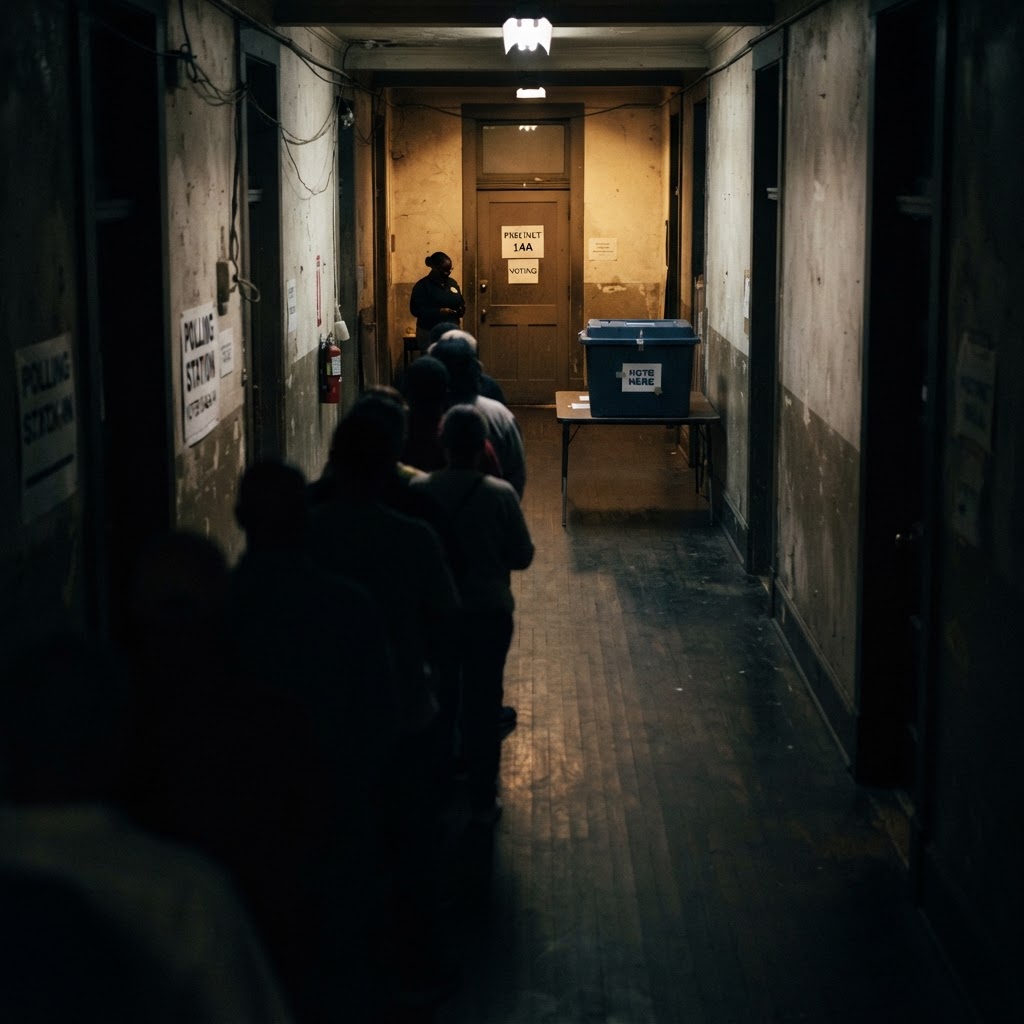
Voter suppression tactics in 2026 are shifting from obvious barriers to invisible administrative hurdles. Learn how these policies affect your right to participate.
Talking Points:
* The performative nature of modern elections.
* Why the system feels designed to exclude.
* The dangerous assumption that voting is effortless.
I remember waiting in line for three hours back in 2008. My feet ached. I watched neighbors leave because they had shifts to work. That was the moment I realized the game is rigged. We act like voting is a simple civic ritual. It is actually a test of endurance.
Legislators in 41 states pushed 302 restrictive bills this cycle alone. They want you to think this is about security. It is really about who gets to speak. Democracy is not a given right here. It is a prize they make you fight for daily.
Talking Points:
* Historical roots of exclusion.
* From poll taxes to digital hurdles.
* The persistence of systemic barriers.
History has a nasty habit of rhyming. We moved from overt Jim Crow laws to slick, administrative barriers. You might not see a literacy test today. You see a “voter registration purge” instead.
These tactics evolve to look modern. They use algorithms to target specific zip codes. It keeps the same groups away from the urns. We keep pretending the rules are neutral. They are anything but neutral.
Talking Points:
* The burden of strict ID requirements.
* Financial costs of obtaining documentation.
* How 2026 laws shift the baseline.
Getting a birth certificate costs money. It requires time off work. Nine states passed 12 restrictive laws just this year. That is a massive shift in a few short months.
States like Utah and South Dakota now demand specific papers. If you lack a passport, you are out of luck. That hits 21 million Americans hard. They are telling citizens their voice only counts if they pay for it.
Talking Points:
* Zip code as a predictor of access.
* Why polling place consolidation hurts.
* Socioeconomic barriers to participation.
Your address dictates your voting experience. In wealthy suburbs, lines move fast. In lower-income areas, polling place consolidation forces miles of travel. This is not an accident.
I lived in a district that lost three stations. My commute to vote tripled. That kind of friction is meant to break your resolve. They know busy people will stay home.
Talking Points:
* The mechanics of voter registration purges.
* Misuse of list hygiene.
* Protecting the right to be registered.
List maintenance sounds boring. It is a weapon. The National Voter Registration Act mandates a 90-day quiet period for a reason. Yet, systems keep pushing the limits.
Mass removals are often sloppy. They target names that look alike. If you get purged, you might not know until you arrive. That is voter suppression at its most efficient.
Talking Points:
* Bureaucracy as an obstruction tool.
* The difficulty of absentee ballot rules.
* Partisan oversight of local boards.
Filling out forms feels like a maze. Absentee ballot rules change every single year. It creates confusion. Confusion leads to discarded votes.
Partisan boards now have more power. They watch every single envelope. We have turned administration into an act of warfare. You need a law degree to vote safely.
Talking Points:
* The rise of AI-generated lies.
* How fake news lowers turnout.
* Attacks on election integrity issues.
My phone is a dumpster fire during election season. AI-generated voice clones make my skin crawl. They simulate real people giving bad advice.
This stuff keeps people away. If you think the system is fake, you stay home. That is the goal of these digital bad actors. They profit from your cynicism.
Talking Points:
* Why ballot drop box bans fail.
* Lack of evidence for widespread fraud.
* The focus on compliance over access.
Eleven states banned drop boxes. They claim security is the priority. Yet, there is zero evidence of real fraud. It is just another way to limit options.
We focus on these non-existent threats. We ignore the real, proven barriers. Security is just a buzzword used to justify control. Don’t fall for the theater.
Talking Points:
* The clash between jobs and voting.
* Why hourly wage earners suffer.
* Breaking the cycle of compliance.
If you work an hourly job, you lose money to vote. That is the reality. Youth turnout sits at 44% in states with high hurdles. It jumps to 49% with easier rules.
Five percent is a huge margin. These small changes decide who wins. We need to stop acting like voting fits into a 9-to-5 life. It clearly does not.
Talking Points:
* Scrutinizing the process as a citizen.
* Moving beyond passive obedience.
* Reclaiming the ballot as a right.
Stop waiting for permission. Check your status every week. Volunteer to watch the polls if you can. We need eyes on the ground.
Compliance keeps the status quo alive. Scrutiny forces them to play fair. Be the grit in the gears. Demand your seat at the table.
Voting is not just a chore. It is the only way we keep the machine honest. Yes, they put up walls. Yes, it feels exhausting.
But staying home is exactly what they want. Use your voice. Check your registration today. If you have a story about a bad voting experience, tell it in the comments below.
You should visit your state’s official election website. Most offer a portal to confirm your status. Do this at least 30 days before any major election to avoid surprises.
Evidence shows no widespread fraud with mail-in ballots. It is a secure, established method. Restrictive laws targeting this practice are usually about suppressing turnout rather than security.
Officials often cite budget cuts or consolidation for efficiency. However, this frequently creates long lines and transportation problems. It is a common, localized voter suppression tactic.
Call your local election office immediately. You can often register again on the same day in some states. Bring your documentation and stay persistent.
They feed you false information about dates and locations. Always verify news through multiple, trusted, non-partisan sources. Never trust a link sent from an unknown number.