







Newsletter Subscribe
Join thousands of readers who get our Sunday Briefing: one email, five essential stories, zero fluff. Subscribe NOW!

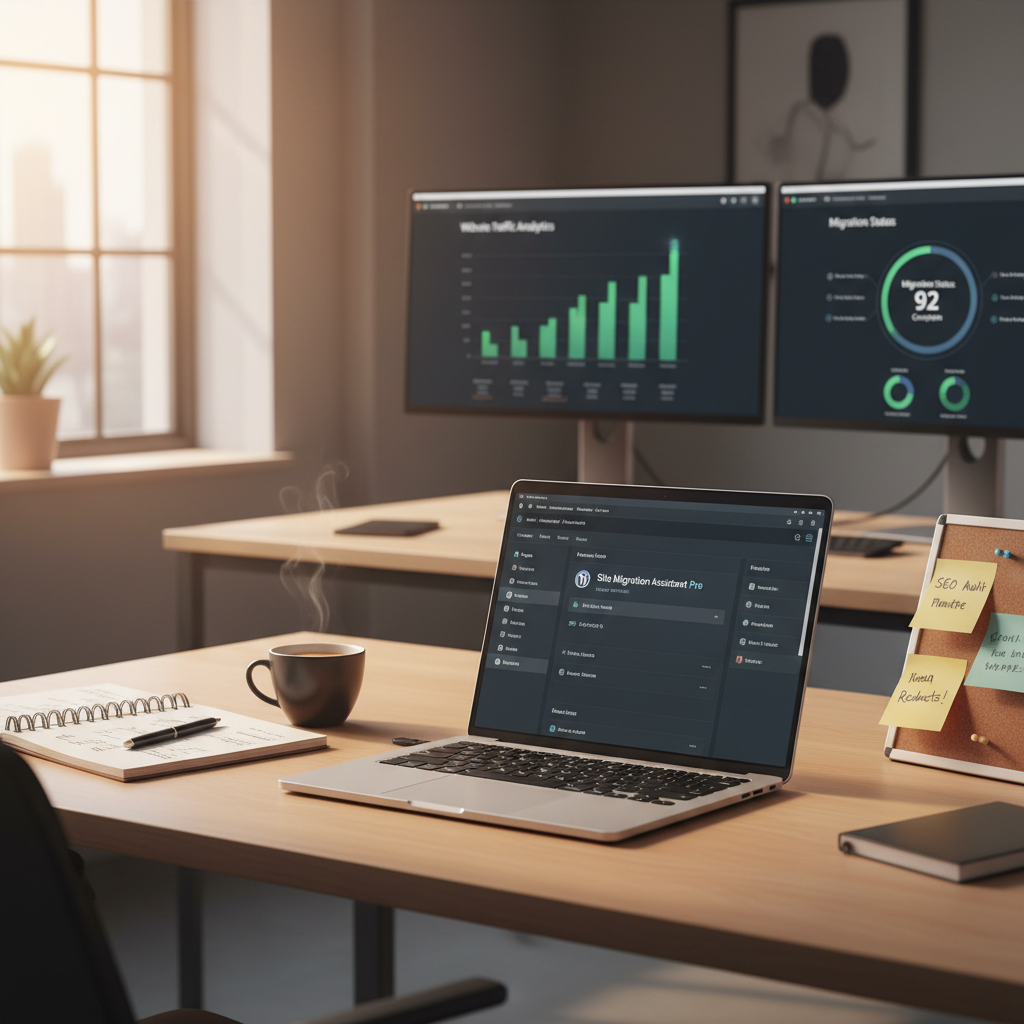
Uncover the harsh realities of WordPress site migration strategies, from the flaws in automated plugins to the challenges of manual transfers. This article navigates the necessary steps and risks, ensuring a successful transition.
Ever tried moving a house full of furniture with a couple of friends? Chaos ensues. That’s how many folks feel about migrating their WordPress sites! You might think, “How hard can it be?” Yet, every second you dither, just remember that as of March 2026, WordPress powers 42.5% of all websites. Yes, this means a lot of people are making the move, and if they’re not careful, they could lose everything.
Having dabbled in my own share of migrations—some smoother than butter, others resembling an oily mess of confusion—I’m here to tell you that while migration strategies might appear straightforward, the reality is far more complicated. Let’s jump into the nitty-gritty of WordPress site migration strategies and uncover the truths behind the glossy plugins and quick-fix solutions.
Talking Points:
Why would anyone want to migrate? Well, consider this: maybe you’re bootstrapping your business, and your site is bloated instead of streamlined. Maybe you’re fed up with your current host torturing your patience with slow load times or unreliability. Possibly your audience has outgrown your site’s capabilities, and you need a platform that’s ready to scale. Whatever the impetus, awareness of these triggers ensures you don’t jump without looking.
Sometimes, migrations reveal outdated plugins or themes. They might just be a disaster waiting to happen! Your site’s performance could skyrocket once you make the move—especially if you’re switching to a new and capable hosting provider.
Talking Points:
Here’s where things get twisted. Think you can slap on a plugin and call it a day? Not quite. There are several paths you can take when migrating your site, and each has its quirks.
1. Manual Migration: This involves a series of deliberate steps— importing the database, transferring files, updating DNS settings. It sounds simple, but trust me, one wrong step and you’ll be pulling your hair out wondering why your site looks like a jumbled mess.
2. Migration Plugins: These tools promise to save you time and effort, but remember that the convenience can sometimes cloak hidden risks. Take WPvivid, for example, which had a critical security flaw not too long ago. Are you really comfortable handing over your site’s future to a plugin when half of them could lead you to a potential disaster?
3. Hosting Provider Migration: Some hosts offer services that handle everything for you. This sometimes feels like a silver bullet, but don’t ignore the fine print. Not all hosts provide a seamless transition, so read those reviews and make sure you’re not just choosing the cheapest offer.
Talking Points:
If you have experience with databases and server configurations, manual migration might tickle your fancy. But be warned—this isn’t for the faint-hearted. If you miss a step, like a SQL command or file upload, your site could crash like a house of cards.
The logic seems sound: you’re in control, right? But as I learned the hard way, one tiny mistake can lead to catastrophic data loss. Trust me, back up your data. Then back it up again. Better safe than sorry! And if troubleshooting isn’t your jam, consider sticking with a plugin or trusted service to do the heavy lifting.
Talking Points:
Juggling between manual methods and various plugins can feel like picking your poison. Sure, migration plugins can make things easier—just a few clicks and you’re seemingly good to go. But then there’s the nagging feeling about their security.
Consider the shocking statistic: as of 2026, a full 97% of WordPress security vulnerabilities stem from plugins and themes, not the core software! Do you want your site to be yet another statistic? Just ask yourself: is saving an hour worth the risk of catastrophe?
Even mighty plugins like All-in-One WP Migration have had their share of horror stories. Always read reviews and keep your backup close when venturing down the plugin road!
Talking Points:
Your current host is giving you grief? You’re not alone. Many migrate to a new provider thinking it will solve all their problems. Sure, many hosts offer migration assistance, which sounds peachy at first.
But guess what? Many pitfalls exist! Hidden fees, limitations on what they can transfer, and poor post-migration support can leave you feeling stranded. You might find yourself where you started, friction and chaos reigniting.
They might even shove you into a budget plan that limits your growth potential. Yeah, that’s discouraging. Be smart—invest some time into researching hosts rather than rushing blindly.
Talking Points:
Here’s a tip: be prepared! Have a checklist ready. Seriously, not having one is like going on a road trip without a map—you’ll get lost and frustrated.
1. Backup Everything: Every. Single. File.
2. Check Plugin Compatibility: Some plugins don’t play well with others when migrating.
3. Update Your URLs: If you’re changing domains, ensure all internal links are updated.
4. Test Everything: Don’t skip the testing phase! Your site’s performance needs to be monitored after migration.
If you fail to prepare, just remember: you’re preparing to fail.
Talking Points:
So, you’ve gone through the lengthy process of migrating your site. Now what? This is when you need to roll up your sleeves, poke around the site, and see if everything’s working as it should.
Pay attention to 404 errors. Are your images showing up? Test your forms. Even consider running a speed test. Sometimes, what seems fine on the surface can hide significant issues under the hood.
The quickest way to troubleshoot? Get your insights done fast. Solid tools like Google Analytics can help pin down performance obstacles.
Let’s be real: WordPress site migration isn’t just another chore on the to-do list; it’s a formidable challenge that requires critical thinking and preparation. Moving a site can feel like a leap into the unknown, yet understanding the complexities helps tackle those challenges ahead.
As you navigate your own migration, take these insights to heart. Share your experiences, ask questions, and consider how best to tailor these strategies to fit your unique needs. After all, every site is distinct. What worked for someone else may not work for you! Join the conversation—let’s hear your migration stories below!
Q1: What are the common reasons to migrate a WordPress site?
A1: Common reasons include improving site performance, switching to a better hosting provider, increasing security, and scaling as your audience grows.
Q2: Are migration plugins safe to use?
A2: While many migration plugins are convenient, they can carry risks. Always check for reviews, security vulnerabilities, and ensure backups are in place before use.
Q3: How can I minimize downtime during site migration?
A3: Plan your migration during off-peak hours, prepare a detailed checklist, and test everything post-migration to identify any issues quickly.
Q4: Is manual migration better than using a plugin?
A4: Manual migration offers more control but requires technical expertise. Plugins offer convenience, but with potential risks. Choose the method that fits your comfort level and technical skills.
Q5: What should I do if my site doesn’t function properly after migration?
A5: Check for broken links, ensure your database was imported correctly, and verify plugin compatibility. Run performance tests and address any issues identified.