


Newsletter Subscribe
Join thousands of readers who get our Sunday Briefing: one email, five essential stories, zero fluff. Subscribe NOW!

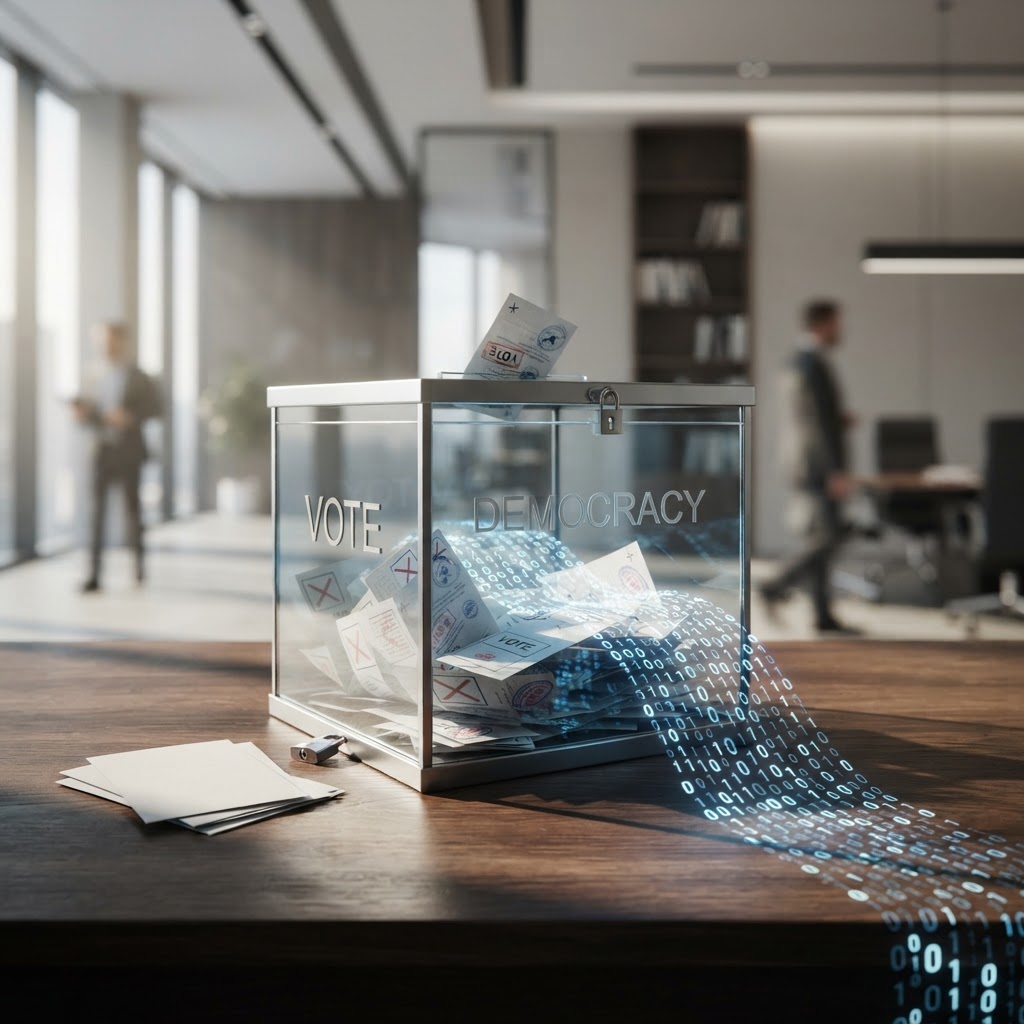
Is the 2026 election cycle actually protecting your vote, or is it a calculated game of exclusion? We break down the reality behind the SAVE Act and the shifting legislative landscape.
I remember the first time I stood in line for three hours to cast a ballot. My feet ached, the sun was unforgiving, and a local official spent the entire afternoon telling us why our registration might be invalid anyway. That was decades ago. I thought we were making progress, but the 2026 voter rights news update cycle proves we are running in circles. We keep painting the bars of the cage and calling it democracy.
Talking Points:
* The performative nature of legislative sessions.
* Comparing restrictive versus expansive state bills.
* Why political posturing outweighs actual civic improvement.
Watching politicians debate election laws feels like watching a scripted reality show. They claim they are protecting your voice, but they are just securing their own seats. Between 2021 and 2025, at least 30 states enacted over 100 restrictive voting laws. It is a slow-motion car wreck. My neighbor, a veteran who never misses an election, suddenly found himself purged from the rolls without notice. He wasn’t the only one. These bills pop up like weeds, and every one of them promises security while delivering nothing but headaches for the average citizen. We see states racing to see who can make ballot access the most miserable experience possible. It is theater at its worst.
Talking Points:
* The facade of election integrity behind the SAVE Act.
* Why documentary proof requirements are a barrier.
* Ignoring existing laws already on the books.
The U.S. House of Representatives passed the Safeguard American Voter Eligibility (SAVE) Act in February 2026, and the crowd cheered like they had solved a crime that never happened. Noncitizen voting in federal elections is already prohibited under the 1996 law. Adding more paperwork doesn’t fix a non-existent epidemic. It just creates a wall. Research indicates that 21 million Americans lack the specific identification documents required by these new rules. I once lost my birth certificate during a house move and spent four months fighting bureaucracy just to get a copy. Imagine trying to do that when the deadline for midterm election ballot access is looming. This isn’t about integrity. It is about exclusion.
Talking Points:
* Why in-person registration is the new target.
* Examining the hidden costs of citizen registration requirements.
* Real-world impacts on marginalized voter groups.
When they talk about voter registration barriers, they usually leave out the actual humans involved. For some, getting a photo ID is a twenty-dollar trip to the DMV. For others, it is an impossible mission. The USCIS verification program showed only 0.04% of cases were noncitizens. That is a rounding error. Yet, we are spending millions of dollars to chase shadows. I once helped a community group set up a registration drive. We had to pack it up because the local rules changed overnight. Suddenly, you needed a specific type of utility bill that most folks in low-income housing didn’t have. It is a game of shifting goalposts.
Talking Points:
* The gap between perceived fraud and actual data.
* Why election integrity debates are used as political ammunition.
* The psychological impact of spreading fear about ballots.
We love to talk about fraud because it is easy to visualize. It makes for a great soundbite. The reality is that the midterm election landscape is safer than most people realize. When we focus on the myth of the stolen ballot, we ignore the real issue: voter suppression tactics that are hidden in plain sight. Only 60% of voters are confident in accurate counts now, a 17-point drop since 2024. That fear is a tool. It keeps you angry, and it keeps you from looking at who is actually writing the rules. I stopped watching the talking heads a long time ago. They want you to look at the boogeyman while they quietly close your local polling station.
Talking Points:
* Louisiana v. Callais and the narrowing of Section 2.
* How judicial decisions reshape the Voting Rights Act.
* The decline of federal preclearance protections.
The April 2026 ruling in Louisiana v. Callais was a punch in the gut. A 6-3 decision that effectively narrowed how we look at racial gerrymandering. It did not strike the law down, but it took the teeth out of it. We are seeing a slow erosion of the guardrails that kept things somewhat fair. Without federal preclearance, states are essentially running wild. It reminds me of the old days when the rules changed every time you crossed a county line. It is a constitutional crisis that nobody wants to call by its name.
Talking Points:
* Who pays the highest price for these new laws.
* Historical context of voter disenfranchisement.
* How security arguments mask racial impacts.
When we make it harder to vote, we don’t make it harder for everyone equally. That is the point. The racial turnout gap exists because the barriers are placed exactly where they will hurt the most. It is not an accident. It is a strategy. I have seen the same tactics for forty years. They change the names of the bills, but the outcome stays the same. We need to be honest about why these specific laws are proposed in specific districts. If you look at the map, you can see exactly who they are trying to keep home on election day.
Talking Points:
* What happens when rules change county by county.
* The rise of partisan administrative oversight.
* The danger of giving local officials unchecked power.
Department of Justice officials sent warnings to all 50 states in July 2026. They told administrators they could face charges for allowing non-voters on rolls. This sounds good until you realize who is deciding who a “non-voter” is. Now, you have local boards deciding to purge rolls based on shaky data. It turns into a weaponized bureaucracy. I once saw a county clerk disqualify hundreds of ballots because the signatures didn’t look “right” to them. It is that kind of subjective power that turns democracy into a private club.
Talking Points:
* Activists fighting a rigged system.
* The limits of individual voting power.
* Moving beyond just showing up.
People ask me if showing up to vote still matters. I tell them it matters more than ever, even if the system is tilted. But mobilization isn’t just about showing up in November. It is about showing up to the city council meetings in February. It is about knowing the rules of your local board. I’ve been organizing for decades. We won some, we lost some. The ones we won, we won because we didn’t wait for the politicians to save us. We saved ourselves.
Ballot box access isn’t a gift granted by the state. It is a right we have to defend. The 2026 landscape is full of obstacles, but the fight for the ballot is never truly over. You have to look past the headlines, check your local registration status, and hold your local officials accountable. Do not let them bore you into silence. The system wants you to give up, but that is exactly why you need to stay in the game. Share your experiences in the comments below, and let us know what you are seeing in your own precincts.