







Newsletter Subscribe
Join thousands of readers who get our Sunday Briefing: one email, five essential stories, zero fluff. Subscribe NOW!

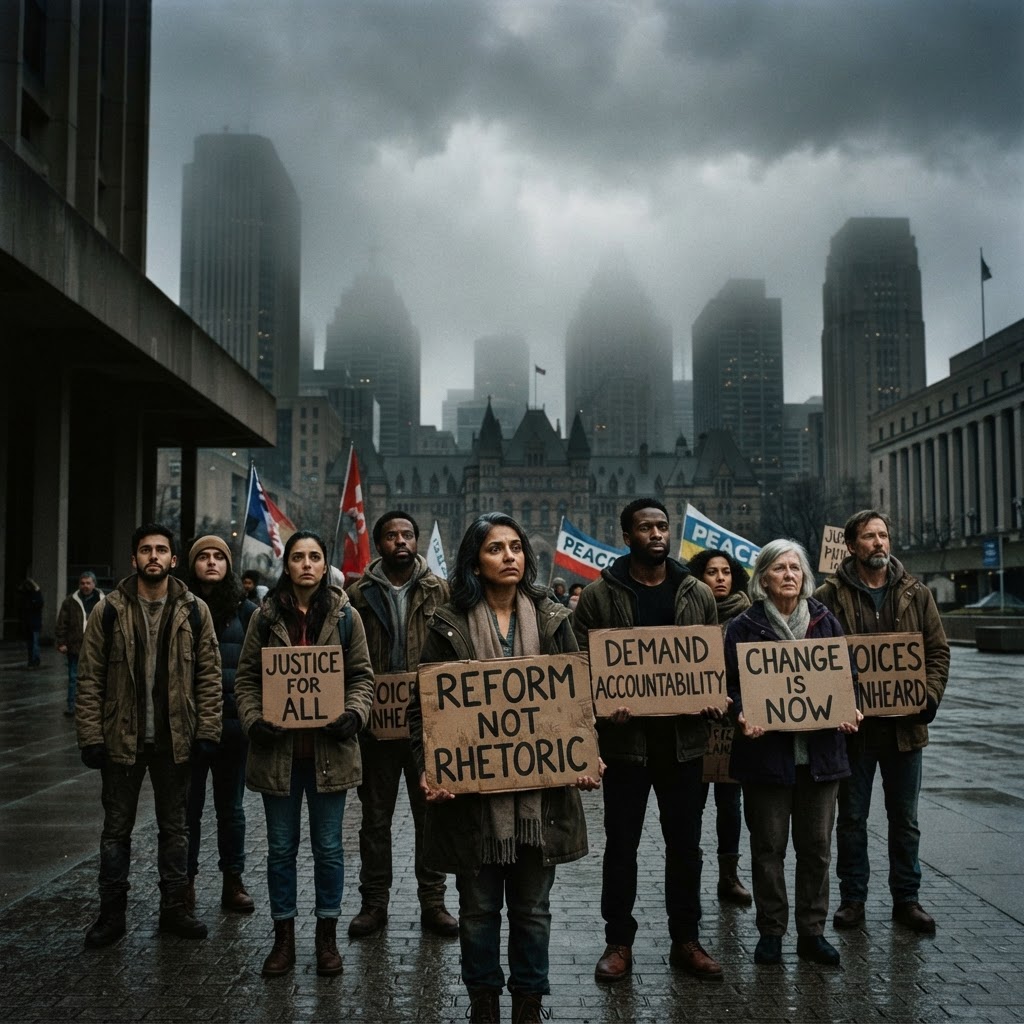
Political reform might seem promising, but underlying institutional inertia, lobbying influences, and systemic corruption often render it ineffective. Let’s explore why these reforms frequently fail and how we, as engaged citizens, can navigate this political landscape.
Political reform—oh, how often have we heard its siren song? Politicians, like clockwork, promise change, but when the dust settles, the status quo usually reigns supreme. It feels like a cruel joke. Every election season, voters are told that this time will be different. Yet here we are, perpetually disappointed. Why? Let’s unpack that.
Talking Points:
It’s no surprise that reform often feels like tossing a stone into a pond; the ripples might look promising, but they fade quickly. Political systems are like massive ships, resistant to even the most passionate oarsmen. Looking back at history, it’s clear that our political machinery resists change. This inertia is by design. Why? Because the people in power have no incentive to shake the boat. Bureaucratic machinery often functions like a well-oiled machine, each cog fearful of losing its position in the hierarchy. Institutions aren’t just stuck; they’re built to be.
Consider the way lobbying influences policy—most legislators find their hands tied by entrenched interests, making meaningful reform feel like a fantasy. Political corruption isn’t just an aberration; it’s an integral part of the system. That’s the unsettling truth.
Talking Points:
When I think of political reform, I can’t help but draw parallels with theater. Politicians love a good show, spinning dramatic tales of change, while behind the curtain, the same old routine carries on. We’ve seen it repeatedly: flashy press conferences and grandstanding speeches that mask what’s really taking place. These are often performative politics, designed to placate the masses rather than implement real changes.
Take, for instance, many healthcare reforms initiated over the years. They sound good on paper—until you dig deeper and realize they’re often just patchwork fixes intended to create the illusion of progress. It’s a smoke-and-mirrors game, and as the audience, we often applaud without knowing we’ve been sold short.
Talking Points:
Here’s where the alchemy of power dynamics comes into play. The iron law of oligarchy posits that any organization, no matter how democratic in its inception, will eventually be dominated by a small group—usually the ones already in charge. Just look at our political parties! The barriers to entry for genuine reform are alarmingly high, with entrenched interests creating a web that traps both citizens and lawmakers alike.
You may recall a campaign rally that promised sweeping reforms in the education sector. Yet, those very reforms were drafted behind closed doors, influenced by lobbyists and funding from established educational conglomerates. The elites have honed their skills, ensuring their voices drown out the public’s, thereby manipulating the reform process to maintain their grip on power.
Talking Points:
Look, here’s a hard truth: lobbying has become the lifeblood of modern governance. Our political system, designed to serve the populace, is now often phagocytic, feeding on public interest for the benefit of a wealthy few.
Remember the last infrastructure bill? Instead of building bridges and roads, we saw an influx of funding aimed solely at lining the pockets of certain contractors. The cycle repeats, and each iteration feels like déjà vu. The public often has little control over these machinations, merely acting as an afterthought in decisions made by entities that don’t represent them. It’s infuriating!
Talking Points:
Ah, the emotional roller coaster of politics—it’s enthralling and exhausting. I’ve lost track of how many times I’ve found myself euphorically optimistic about a candidate, only to be left disillusioned. The cycle repeats and leaves us disheartened but strangely eager for the next bout of empty promises.
The rhetoric surrounding reforms plays into our innate desire for change. Politicians expertly tap into our dissatisfaction to sow false hope. “This time, we’ll do it right!” becomes the refrain we eagerly chant along to. But hidden within are unaddressed systemic issues—issues that go unchanged amid the din of campaign promises. Ultimately, that hope becomes a trap; a bait that keeps us trapped in the very system we want to escape.
Talking Points:
The insidious nature of incrementalism can’t be overstated. Minor adjustments can create the illusion of movement when in reality, we’re trapped in a perpetual state of stagnation. Think of it this way: Like a dripping faucet, each drop of reform might feel necessary, but collectively they amount to not much at all.
The reforms may seem better than nothing; however, they drown out the clarion call for substantial changes. Incremental steps are like lipstick on a pig—cosmetic fixes that do little to address the underlying flaws in our political structure. Let’s face it, this approach renders us somewhat complicit in the very system we’re trying to dismantle.
Talking Points:
It almost feels revolutionary to suggest that substantive reform must originate from the grassroots level. Yet history shows us that the established frameworks all but quash those efforts. It’s a bitter irony; our systems are built to ensure that only the top tier has the ability to effect real change. Every great grassroots movement, from civil rights to environmentalism, faces hurdles that the entrenched powers will not easily cede.
Ever try to push a boulder uphill? That’s how grassroots initiatives often feel in a political climate that’s heavily weighted against them. Without dismantling some of the very frameworks that exist, any hope for meaningful change isn’t just naïve; it’s futile.
Talking Points:
Acceptance isn’t always easy. But confronting the pain of political stagnation could actually fuel the fire for newer, bolder initiatives. If we can agree that our systems are broken, we might finally begin to innovate rather than perpetuate. Acknowledging stagnation isn’t just pessimism—it’s a call to action.
Burying our heads in the sand only serves to prolong our collective discontent. The more we accept that political reform fails to deliver, the more we might galvanize movements that aren’t aimed at reform alone. But transformation.
So here we are. Political reform may be the catchphrase of every election cycle, but as we’ve seen, it often veers into the territory of empty slogans and false hopes. To reclaim our agency, we must evolve beyond just voting; we need to participate, question, and actively advocate for genuine transformations.
Change isn’t just a ballot box away. It comes from sustained efforts against a backdrop of systemic inertia and entrenched interests. If we accept the reality of our political game, we can learn to reclaim our criticality and, perhaps one day, bring forth genuine societal shifts.
Let’s keep the conversation going! What do you think? Have you faced similar frustrations with political reform? Share your experiences below!
What is political reform?
Political reform refers to changes in policy or governance aimed at improving the political system to better serve the public interest.
Why is political reform often ineffective?
Reform initiatives frequently fall flat due to institutional inertia, lobbying influence, and the self-preserving nature of existing systems.
What role does corruption play in political reform?
Corruption can subvert reform processes by aligning policies with elite interests rather than public good, leading to ineffective or performative changes.
Can grassroots movements truly effect change in politics?
While grassroots movements aim for substantial change, they often face significant obstacles within entrenched systems designed to favor elite interests.
How can voters navigate political reform promises?
Voters should be critical of reform promises, demand transparency, and actively engage in dialogues surrounding policies to ensure accountability.