








Newsletter Subscribe
Join thousands of readers who get our Sunday Briefing: one email, five essential stories, zero fluff. Subscribe NOW!
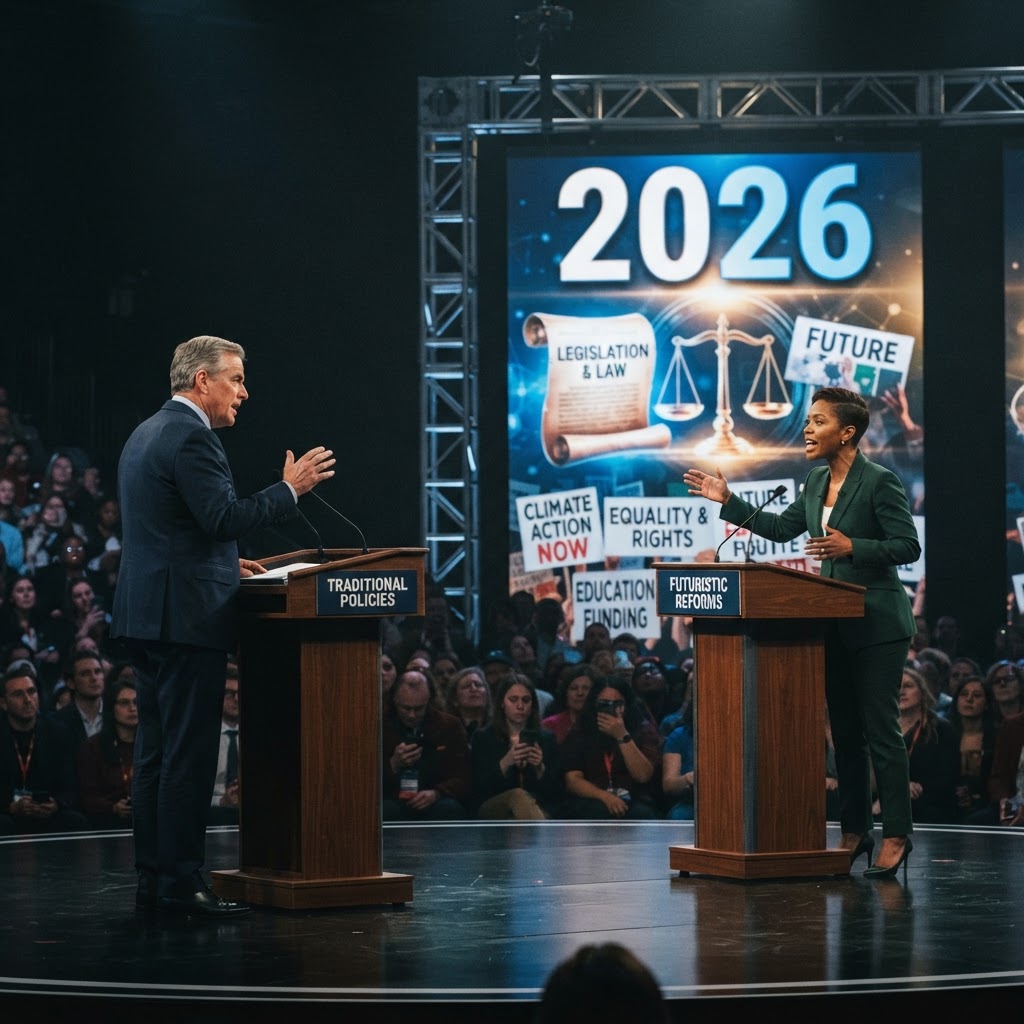
The 2026 legislative agenda promises grand policy shifts but ultimately reveals themselves as mere distractions from systemic issues. This analysis explores why, despite the shiny veneer of new laws, the same problems persist, questioning the true benefactors of these shifts and urging civic engagement to reclaim our agency.
Ever looked at a shiny new product and thought, “This can’t possibly be as good as they say”? That’s what I felt when I caught wind of the 2026 legislative agenda. With grand titles and bold promises, this new wave of policies seems designed to dazzle the public while conveniently gliding past the real issues that plague our nation. It’s a classic bait-and-switch, and I’m here to unpack this charade for you!
Talking Points:
When I first heard about the One Big Beautiful Bill Act (OBBBA), which was hailed as the holy grail of federal spending, I couldn’t help but roll my eyes. Sure, it sounds great, with its promise of $160 billion for taxpayer credits! But let’s dig deeper. What’s hidden beneath all that flashy language? The truth is that these bold claims are often laden with caveats.
For example, the recent expiration of enhanced Affordable Care Act (ACA) premium tax credits, resulting in a projected 114% increase in marketplace premiums, raises eyebrows. That’s a harsh reality contrasting with lawmakers’ cheerleading.
Talking Points:
What are these policy changes really about? Are they designed to serve the public’s best interests, or are they engineered to support the big players in corporate America? If you dig into the motivations behind the 2026 policy changes, the corporate players seem less like collateral damage and more like beneficiaries.
Take the deregulating measures around campaign finance highlighted by the Supreme Court’s ruling in National Republican Senatorial Committee v. FEC. It’s hard not to see the hand of corporate lobbying in action. When legislation favors those with money and influence, it’s a clear signal that the average citizen is still left holding the bag.
Talking Points:
Now let’s talk dollars and cents. With estimates suggesting the Biden administration imposed around $1.8 trillion in new regulatory costs, one has to wonder where all this money comes from. For families struggling to make ends meet, this is not just a theoretical exercise—it’s a real burden.
The discussion surrounding tariffs is equally convoluted. Sure, the U.S. has the highest average effective tariff rate since 1943, generating significant revenue. But at what cost? Everyday consumers end up paying more because of increased prices brought on by these regulations.
Talking Points:
Transparency is like that elusive ghost everyone knows about but not many have seen. Despite all the talk of open governance, recent analyses highlight a trend towards less formal guidance. This leads to shadow decision-making processes that are anything but democratic. How can we trust policymakers to act in our best interests when they’re cloaked in opacity?
Talking Points:
At the risk of sounding cynical, let’s face it: corporate interests are driving much of the legislative agenda in 2026. A bill advanced to effectively nullify the Corporate Transparency Act? That’s a sweet deal for businesses that wish to avoid regulatory scrutiny, while the average citizen loses out. The revolving door between politics and corporate roles is becoming a full whirl, and somehow, we’re all still on the same blurry carousel.
Talking Points:
If history is any guide, new laws don’t necessarily create better outcomes. They often add layers of bureaucratic inefficiency. The issues that society faces are systemic, not simply regulatory: income inequality, healthcare access, and education gaps remain while we’re busy celebrating shiny new legislation. The real challenges slip through the cracks while lawmakers pat themselves on the back for “progress.”
Talking Points:
As frustrated citizens, many of us often feel powerless, as though we’re just supposed to watch the political theater unfold. But guess what? We have a stake in this! Engaging in discussions, voting with purpose, and challenging our representatives can spark accountability in those comfy legislative chairs.
Talking Points:
Let’s be real: there’s a solid track record for legislative failure rooted in the lack of genuine engagement and accountability. This current trend of flashy policy declarations is likely to meet the same fate as countless predecessors—plenty of promises but little execution. It’s time for us to throw a wrench in this political machine and speak out.
Don’t just accept the political narrative we hear. It’s vital that we slice through the noise and question these so-called advancements critically. By holding our legislators accountable and insisting on genuine transparency, we can begin to reclaim our agency.
I invite you—let’s chat in the comments below. Share your thoughts and frustrations, and maybe we can strategize how to push for permanent change. The future of our governance demands it!
Q1: What is the One Big Beautiful Bill Act?
A1: The One Big Beautiful Bill Act (OBBBA), signed in July 2025, serves as a central organizing force for federal policy and spending, promising broad tax credits and infrastructure improvements.
Q2: How will the expiration of ACA premium tax credits impact healthcare in 2026?
A2: The expiration of enhanced ACA premium tax credits is projected to lead to an average increase of 114% in marketplace premiums, making healthcare less affordable for many Americans.
Q3: What was the impact of the Supreme Court’s ruling on campaign finance in 2026?
A3: The Supreme Court’s decision in National Republican Senatorial Committee v. FEC deregulated campaign finance by striking down limits on coordinated party spending, amplifying the influence of corporate money in politics.
Q4: Why are there concerns about transparency in the 2026 legislative process?
A4: Concerns stem from a lack of formal guidance in lawmaking, leading to ‘shadow’ decision-making processes that obscure accountability and hinder public engagement.
Q5: How can citizens ensure their voices are heard in the policy-making process?
A5: Citizens can actively engage by voting, participating in community discussions, contacting legislators, and holding public officials accountable, thereby fostering a more transparent and effective governance framework.