








Newsletter Subscribe
Join thousands of readers who get our Sunday Briefing: one email, five essential stories, zero fluff. Subscribe NOW!

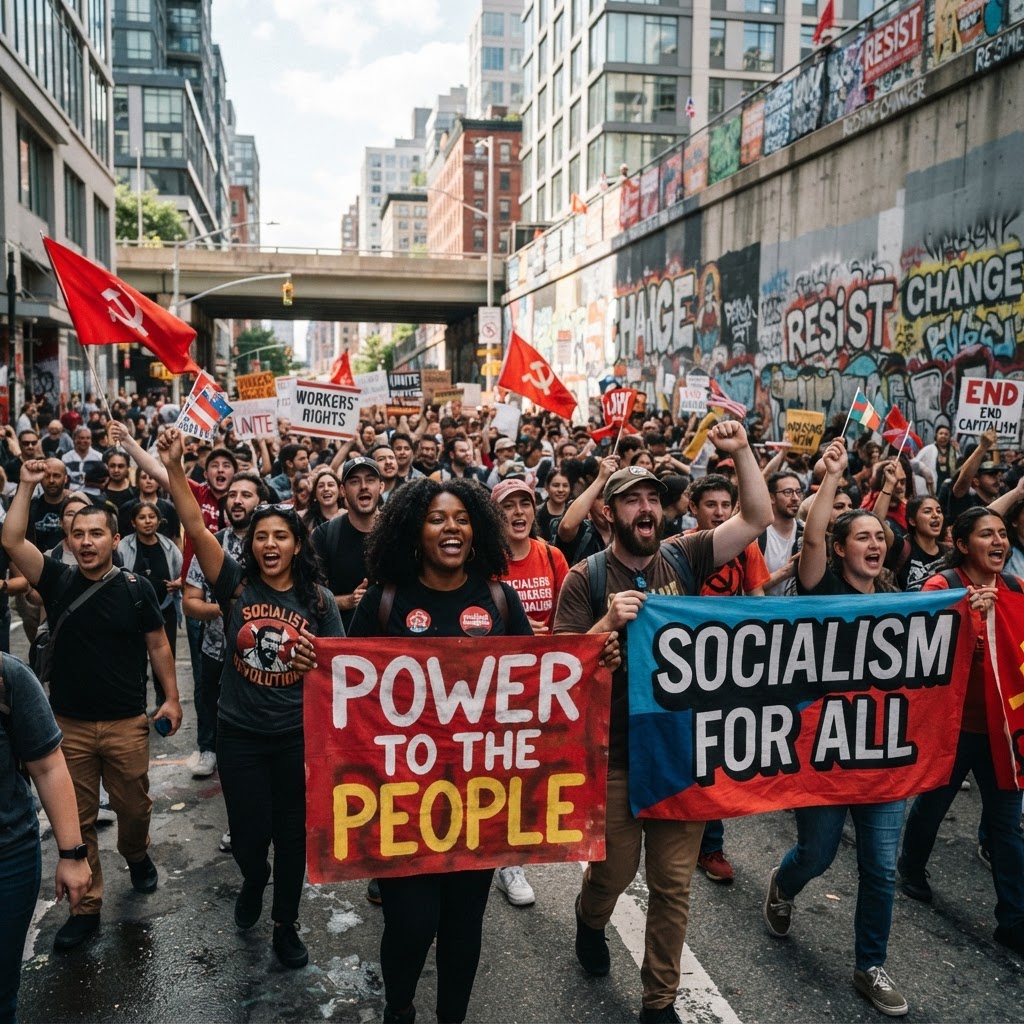
The 2026 primaries have demonstrated a significant shift within the Democratic Party, as socialist candidates like Melat Kiros and others secure victories against long-term incumbents. This article explores the implications of these results, dissecting the rise of progressive movements and the waning influence of establishment Democrats.
Talking Points:
Who would’ve thought that a grassroots movement could shake the very foundations of the Democratic Party? The 2026 primaries, particularly the stunning insurgencies and defeats of entrenched incumbents, paint a picture of political upheaval that the establishment can no longer ignore. Melat Kiros’s victory in Colorado is just the tip of the iceberg. It’s about more than just one race; it’s a collective reckoning brewing within the party.
Talking Points:
Let’s talk about electability. For years, the Democratic establishment spun a narrative that only centrist candidates could win elections—that anything else was a recipe for disaster. But here’s the kicker: voters are tired of the same old rhetoric. They want authenticity. The rise of candidates like Kiros and others is proof that what we once considered electable is rapidly changing.
Support for the Democratic Socialists of America (DSA) has surged, growing from about 6,000 members in 2016 to over 100,000 in 2026. These aren’t just numbers—they’re faces, voices, and communities demanding representation that champions workers’ rights, climate action, and universal healthcare. This shift suggests something deeply significant: anger at the status quo is turning into a movement with a clear agenda.
Talking Points:
New York City’s primaries weren’t isolated incidents; they signify a broader trend. DSA-backed candidate Darializa Avila Chevalier’s defeat of five-term representative Adriano Espaillat and Janeese Lewis George’s triumph in D.C. paints a vivid picture of the electorate’s shifting priorities. These victories aren’t mere anomalies; they symbolize the frustrations of millions who feel ignored and sidelined by the party’s establishment.
The 2026 results expose a vulnerability among incumbents. For years, incumbency was seen as a fortress of security, but the tides are changing. Candidates adhering strictly to centrist policies are losing ground to those who genuinely speak to the people. They’re putting forth comprehensive agendas that don’t just play lip service but seek genuine transformation.
Talking Points:
Melat Kiros did something remarkable. With a grassroots campaign fueled by dedication and a clear message, she managed to unseat Diana DeGette, a 15-term incumbent. This isn’t just a personal victory; it’s a political earthquake. Voters in Colorado’s 1st District are sending a clear message: they’re finished with the old guard.
Kiros achieved this against a backdrop of more than $1 million in outside spending aimed at quashing her candidacy. Her win underscores the limits of corporate influence versus the power of passionate, localized grassroots campaigning. She mobilized her community, demonstrating that a campaign centered on shared values and frustration can result in genuine change.
Talking Points:
As the Democratic elite cozy up to their corporate allies, they risk losing sight of the very voters they once championed. Voter frustration has reached a boiling point. We’re witnessing a tide of skepticism against corporate Democrats who tout populist rhetoric but veer toward corporate interests when it’s time to act. This disconnect isn’t merely bad optics; it’s actually damaging the party’s ability to connect with its base.
Progressive candidates are awakening a sense of agency among voters. They resonate with individuals tired of politics as usual and propose real, actionable solutions. Kiros’s victory isn’t just her own—it’s emblematic of a broader rejection of corporate influence in politics. It’s about movement over money. There’s a growing awareness that real political will comes from the people, not from PACs or lobbyists.
Talking Points:
The DSA is not simply a collection of activists; it’s an increasingly sophisticated organizing machine. Their strategies lean heavily on grassroots efforts that include training insurgent candidates and empowering local leaders. This “factory” approach to political organizing is systematically breaking down barriers that have historically held back progressive voices.
They are cultivating a volunteer base that’s energized, educated, and committed to ensuring that progressive voices are at the forefront. This isn’t just luck; it’s strategic. While corporate-backed campaigns rely on superficial cash flows to sway decisions, the DSA relies on a sustained engagement between voters and their candidates, which leads to lasting change.
Talking Points:
Despite the tidal wave of Super PAC spending—more than $1 million aimed at Kiros alone—such financial might proved impotent in the face of genuine grassroots momentum. The 2026 Democratic primaries have shown us that overwhelming monetary backing cannot substitute for real connections with voters. People are hungry for authenticity, and they’re willing to support candidates who resonate with their lived experiences.
These moments are defining for the progressive movement. It demonstrates that insurgent candidates backed by dedicated activists and volunteers can triumph over wallets filled by corporate donors. It’s a testament to the power of grassroots mobilization and the emotional investment that voters can have in their chosen representatives.
Talking Points:
The results in 2026 signify more than just victories in strongholds; they indicate a strategic opening for progressive movements to expand beyond their existing landscapes. Traditionally safe blue districts have become fertile ground for socialism and left-wing populism. It’s vital to capitalize on these trends for the upcoming elections.
Demographic changes and growing discontent with the status quo are creating openings in swing states. This isn’t just a trend; it’s a political strategy. Candidates need to engage with communities that historically might not have considered themselves within the “progressive camp.” Ignoring these shifts would be a miscalculation of monumental proportions.
Talking Points:
The pattern is simple: incumbents are increasingly vulnerable. The long-held belief that incumbency equals invincibility is facing a harsh reality. As progressive candidates gain traction, those who have relied on their prior victories are realizing that complacency breeds vulnerability. If incumbents don’t adapt to the will of the people, they risk losing their seats.
As we’ve seen with representatives like DeGette and Espaillat, relying on name recognition isn’t enough. Voters are actively seeking candidates who reflect their ideals, and if they see stagnation, they’ll reach for an alternative. There’s an eagerness for representatives who challenge outdated norms and bring fresh perspectives.
Talking Points:
The Democratic Party is at a crossroads. The tension between progressives and centrists is no longer just friendly competition; it’s an open battle. Ignoring the momentum gained by grassroots movements means facing the prospect of a fractured party. If establishment Democrats continue to dismiss the legitimate calls for change, they do so at their peril.
The internal struggle isn’t merely about policy but about identity. Should the party align itself with corporate interests, or does it prioritize the needs and desires of its base? The reality is that voters are tired of identifying with a party that seems more concerned with maintaining power than advocating for its constituents.
Talking Points:
While the primary successes are commendable, the challenge lies in sustaining this momentum into the general elections. Progressive candidates must navigate the complex landscape awaiting them. The risk of backlash against socialist initiatives is ever-present, especially from well-funded, well-organized opposition. Keeping supporters energized while appealing to undecided voters becomes the tightrope that candidates must walk.
The reality is that enthusiasm is infectious. Maintaining engagement will hinge on how effectively candidates can communicate their vision. They must resonate with the values of average voters, blending progressive ideas with pragmatism—something often overlooked by establishment strategies.
Talking Points:
As we gaze toward the horizon of 2028, we must question what the future holds for the Democratic Party. Will establishment candidates attempt a resurgence, reclaiming their hold by adopting some progressive rhetoric? Or will they continue to bury their heads in the sand?
If the party doesn’t reckon with its internal divisions, it risks losing ground to emerging movements or candidates entirely. Accountability is paramount, whether that means rethinking strategy or re-evaluating priorities.
The primary results from 2026 are a clarion call for those within the party to embrace a renewed dedication to its base and make choices that align with progressive ideals. Anything less risks alienating those who fought so hard for change.
The winds of change are howling, but will the Democratic Party listen? The 2026 primary results demonstrate that the grassroots are no longer content to sit on the sidelines. Melat Kiros, the DSA, and others have shown us that genuine engagement and authenticity can topple the mighty establishment. As real change is pursued, the call to uphold progressive values isn’t just a rallying cry; it’s a necessity for the future of the Democratic Party.
Let’s not forget the monumental nature of these results. They serve as a reminder to listeners, voters, and candidates alike. Let’s keep raising our voices and uplifting those who seek to rewrite the narrative of representation.
What do you think? Will the future belong to the establishment, or will the progressive wave continue to rise? Share your thoughts in the comments!
Q1: What factors led to the recent Democratic primary successes of socialist candidates?
A1: A surge in grassroots movements, increased voter frustration, and effective campaign strategies by DSA-backed candidates have contributed significantly to their successes.
Q2: How has the Democratic Socialists of America (DSA) influenced the 2026 elections?
A2: The DSA has played a pivotal role in organizing, training candidates, and mobilizing voters, effectively redefining the Democratic Party landscape.
Q3: Can the socialist momentum last until the 2028 general elections?
A3: While possible, sustaining this momentum will depend on candidates’ ability to engage with diverse voter bases and maintain enthusiasm among their supporters.
Q4: What does the rise of progressive candidates mean for the future of the Democratic Party?
A4: It signifies a potential realignment toward more inclusive and responsive politics, but it also poses risks if the party fails to address internal divisions.
Q5: How significant were the primary defeats of long-term incumbents?
A5: Their defeats signal a shifting political landscape where voters demand new voices and perspectives, highlighting a growing appetite for change within the party.