




Newsletter Subscribe
Join thousands of readers who get our Sunday Briefing: one email, five essential stories, zero fluff. Subscribe NOW!
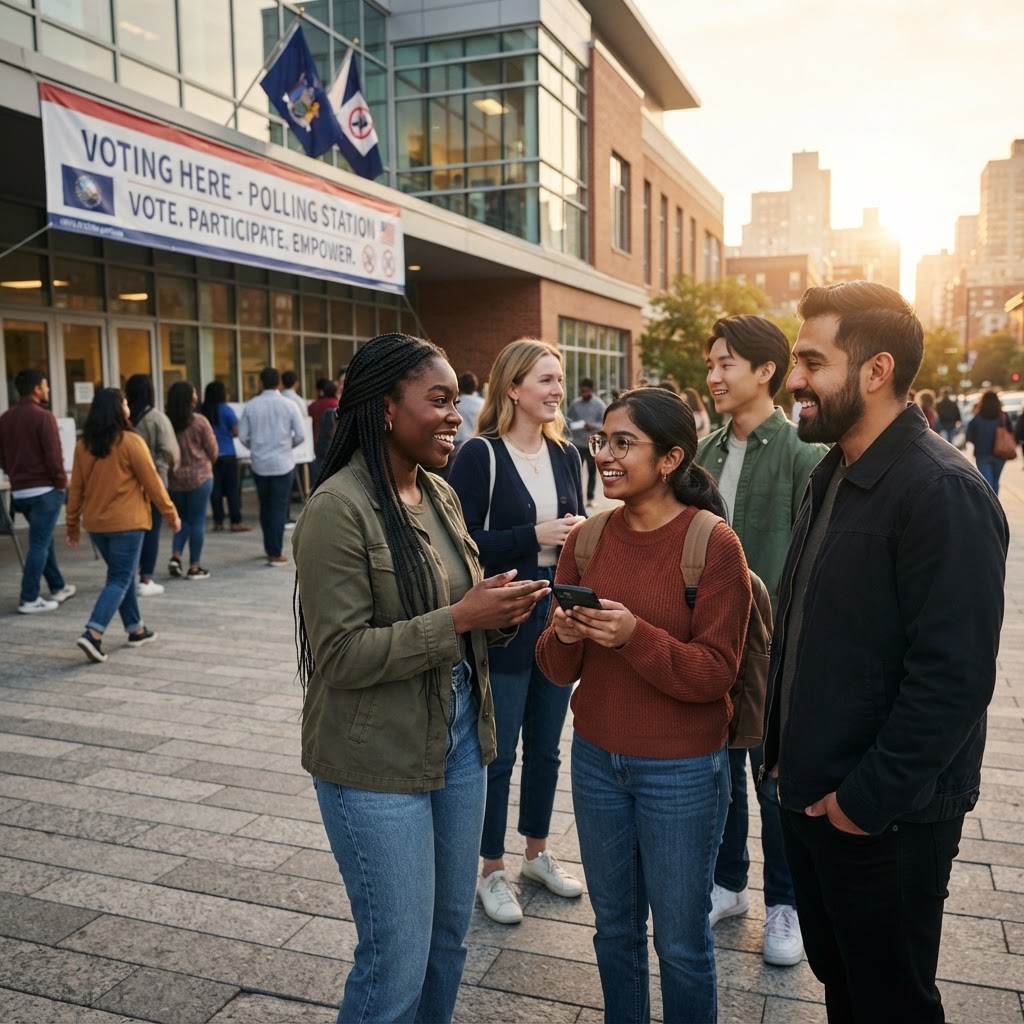
Youth political apathy is a myth crafted to mask systemic failure. In 2026, the real challenge is not getting voters to the booth, but giving them a reason to believe the booth matters.
Talking Points:
Every election cycle, pundits act shocked when the data rolls in. They paint the youth voter turnout 2026 as if it were some rare celestial alignment. I have watched this dance for two decades. It is always the same tired script about a new generation showing up to save the day. They treat civic duty like a trendy consumer product instead of a foundational practice. Most of these outreach campaigns fail because they are built on plastic sincerity. Young people see right through the act. When you view engagement as a box-checking exercise, you get the predictable results we see every single time. It is insulting to think a few glossy flyers can mask systemic neglect.
Talking Points:
We hear about the “sleeping giant” that is Gen Z political engagement constantly. The data shows 56% of youth claim they are extremely likely to vote in the 2026 midterms. Yet, intention is a flimsy metric that rarely holds up under pressure. I recall my first campaign job where we banked on college town numbers that never materialized. The reality is that electoral integrity relies on more than just high-minded slogans. When young people stay home, it is often a rational response to a system that ignores them for years. Calling them lazy misses the point entirely. They are waiting for something worth their time.
Talking Points:
Tell a young person that voting fixes everything, and watch their eyes glaze over. It is lazy advice. Real power exists outside the ballot box through consistent community organizing and direct pressure. If we only talk about elections, we ignore the daily work of candidate accountability. Most folks get involved once every four years and expect miracles. That is not how democracy works. I learned the hard way that a vote is just a signal. Unless you follow that signal with sustained advocacy, the system just resets to its default settings.
Talking Points:
Think about the 51% of eligible young voters who have no college experience. Traditional outreach ignores them. They do not hang out in the same digital echo chambers as student organizers. Worse, restrictive mail-voting policies create real, physical hurdles that suppress their access. In states where these laws exist, turnout drops by 15 percentage points. It is not a marketing problem. It is a calculated plan to make participation difficult for specific groups. We cannot blame the kids for losing interest when the gatekeepers keep locking the doors.
Talking Points:
This cycle is different because the stakes are visible at the kitchen table. We are seeing demographic shifts where 47% of eligible voters are people of color. Yet, these groups remain underserved by parties that prefer safe, older donors. The 1% increase in registrations compared to 2022 is a small spark, but it is hardly a fire. When you look at the 10% drop in young Black registrants, you see exactly where the failure lies. It is a direct result of ignoring the needs of the most reliable base.
Talking Points:
I often tell my students that a little cynicism is good for the soul. It keeps you from getting burned by empty promises. If the system constantly provides bad options, walking away is a valid protest. We treat political disillusionment 2026 like a disease instead of a symptom. It is a perfectly rational response to decades of gridlock. If you want people to show up, stop asking them to support the status quo. Give them a reason to believe the outcome will change their material lives.
Talking Points:
Social media makes it easy to feel like you are doing something while sitting on the couch. This performative cycle is a trap. I have seen thousands of people “post” their way into exhaustion. It creates an illusion of action that rarely translates into ballot initiatives or policy shifts. Real change is boring. It happens in cold meeting rooms and during late-night local government hearings. If your activism only happens on a screen, you are missing the point of democratic participation.
Talking Points:
We are all living in curated realities. Your feed tells you exactly what you want to hear to keep you clicking. This makes it impossible to organize across lines of difference. It reinforces the partisan polarization that grinds progress to a halt. I had to delete my own news apps for a month just to think clearly again. It was the most productive four weeks of my career. If we cannot speak to those who disagree, we are just talking to mirrors.
Talking Points:
If you are tired of the circus, quit the circus. Start showing up at school boards or city council meetings. Work on local ballot initiatives that actually impact your street. The focus should be on grassroots mobilization that continues whether it is an election year or not. You do not need a national campaign manager to tell you what your town needs. You need to talk to your neighbors. Real power grows from the bottom up, not the top down.
We need to stop treating young voters like props in a political drama. They are not waiting for our permission to be interested. They are waiting for a reason. If we want better outcomes, we have to change the structure of the game. That means ending suppression, demanding accountability, and listening to those who currently sit on the sidelines. Drop your comments below with your thoughts on how we can break this cycle of empty promises.