



Newsletter Subscribe
Join thousands of readers who get our Sunday Briefing: one email, five essential stories, zero fluff. Subscribe NOW!

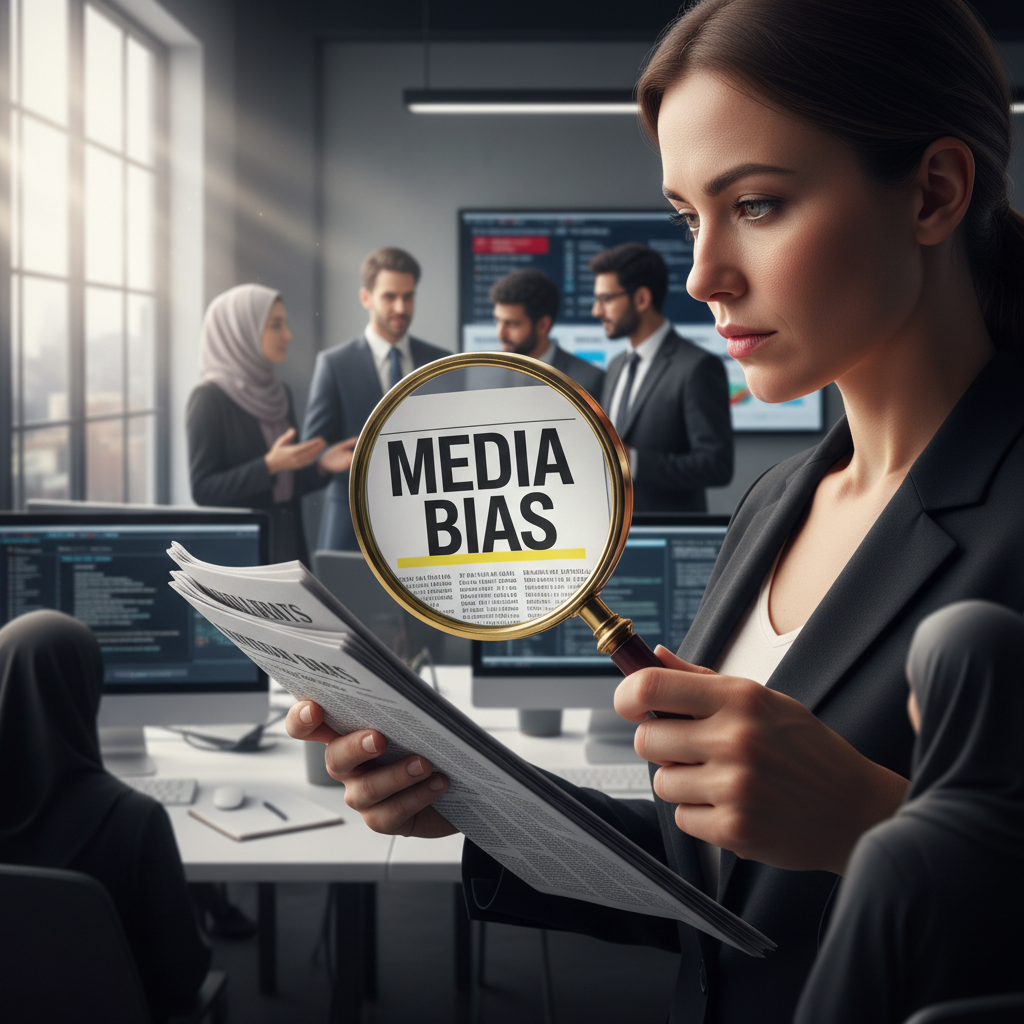
Explore the pervasive issue of media bias in our society, examining its various manifestations, impacts on public perception, and practical strategies for critical media consumption.
Introduction: The Pervasiveness of Media Bias
Did you know that only 31% of Americans trust mass media? That shocking statistic from a recent Gallup survey tells us just how deep the skepticism runs regarding news sources today. It makes you stop and think — have we all been lied to? Or worse, manipulated? Media bias isn’t an abstract concept; it’s a very real issue that shapes our perceptions of the world around us.
As I sit here, reflecting on my own experiences with news consumption over the years, I realize just how crucial it is for us to dissect these narratives. We may not be able to stop the bias altogether, but we can at least sharpen our critical thinking skills and become more discerning consumers of news!
Talking Points:
Media bias is more than just a buzzword tossed around in casual conversations; it’s a systemic issue that infiltrates news reporting in various forms. At its core, media bias refers to the perceived or actual favoritism towards one side of an argument, a group, or particular interests, often at the expense of objectivity.
Imagine turning on your television in the evening. You flip through channels, landing on news segments that talk about a political figure you don’t support. Suddenly, the anchor’s tone shifts, the word choice becomes loaded, and you can sense the slant creeping in. This is a prime example of how bias can manifest. You might encounter selective reporting, where the facts are presented in a way that favors one side.
In a polarized society, understanding media bias becomes essential. The way news is framed — from the headlines to the choice of words — profoundly influences our perceptions. When we recognize that biases exist, we can better navigate these narratives and form our own opinions.
Talking Points:
The phenomenon of media bias isn’t new; it’s been a part of journalism as far back as the printing press. Remember the sensationalism of yellow journalism? Newspapers used exaggerated headlines and sometimes completely fabricated stories to sell copies — a stark reminder of how profit motives can corrupt media integrity.
Fast forward to today, where blogs and social media have eviscerated traditional gatekeeping. Now, anyone can publish anything, often lacking basic journalistic scrutiny. YouTube channels and Twitter threads can serve as primary news sources, muddying the waters further. Were we better off with fewer voices, perhaps?
Let’s be honest — in a world where everyone has a platform, the question of bias becomes even more complicated. Now, it’s not just about the mainstream media; it’s about discerning where to get our information in a sea of opinions.
Talking Points:
So, how exactly does media bias make its way to the forefront of reporting? Well, it can take many forms!
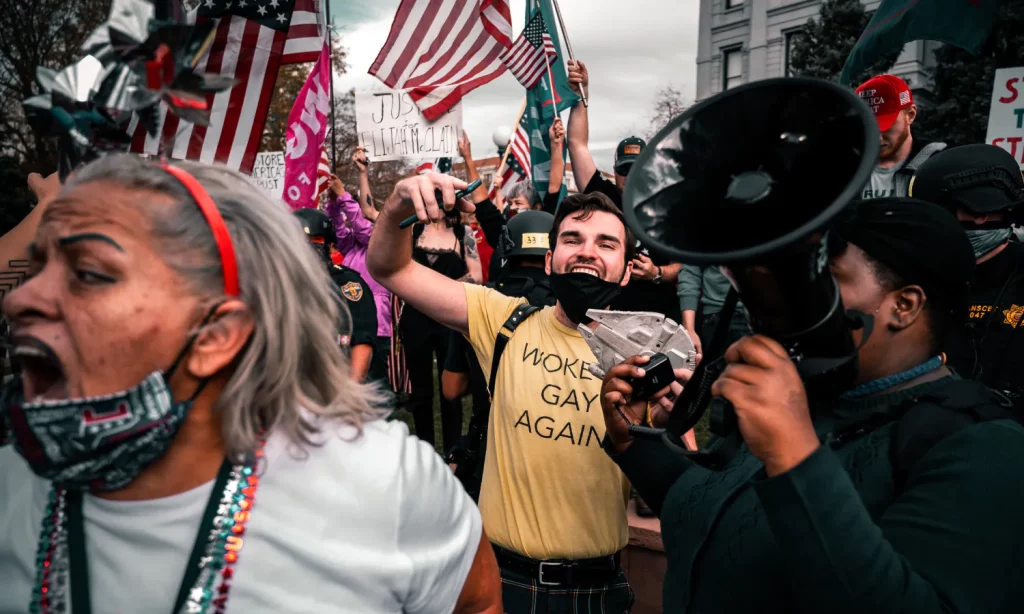
One common mechanism is through editorial choices that highlight specific facts while omitting others — bias by omission. For example, a report on a protest might focus solely on violent acts while ignoring peaceful demonstrations entirely. This selective portrayal crafts a narrative that can skew public perception, influencing how events are perceived in society.
And let’s not overlook loaded language. When a journalist refers to a ‘radical demonstration’ rather than a ‘peaceful protest,’ the implications can make all the difference. Our brains interpret these subtle cues to form deeper biases against the subjects presented in the news. The words matter; they help construct a narrative that aligns with an ideological slant.
Talking Points:
It’s not just the way we perceive events; media bias has real-world consequences that ripple through our political landscape. Imagine waking up in a society where most citizens distrust news outlets. That’s the reality we’re facing, bearing witness to declining trust in the media. With only about 31% of Americans stating they trust mass media, it raises alarm bells about the information environment we find ourselves in.
Even more concerning, this lack of trust leads to intensified political polarization. When news sources cater to specific ideological groups, viewers are fed a narrow slice of reality, reinforcing their existing beliefs while alienating others. In this echo chamber, collaboration and compromise—hallmarks of a functional democracy—soon crumble.
The stakes are high. When misinformation and bias clash, we’re not just dealing with manipulated narratives; it threatens the very fabric of truth itself.
Talking Points:
Let’s examine a few case studies that showcase the stark implications of media bias. Take, for instance, the media coverage surrounding major political events like the Capitol riots. Different outlets illustrated vastly different narratives. Some portrayed it as an insurrection; others deemed it the result of legitimate political dissent. Each framing informed public opinion in remarkably different ways.
Another noteworthy example is the coverage of the COVID-19 pandemic. Early reports often emphasized the lab leak theory, while other sources downplayed this narrative to promote mask-wearing and vaccinations. The varying emphases created confusion among the general public about what constituted reliable information.
These events reveal a key lesson: Media bias can shape societal actions and health outcomes. As consumers of news, we must recognize how reporting can steer us toward particular conclusions.
Talking Points:
As society grapples with the pervasive influence of media bias, many researchers have intensified efforts to develop reliable bias detection methodologies. A 2023 study reviewed over 3,140 research papers on media bias detection, underscoring the need for interdisciplinary collaboration in understanding bias types and their implications.
Leverage new methodologies. Transformer-based classification approaches have led the way in improving media bias detection, reporting significantly higher accuracy rates and enabling the identification of more complex biases.
There’s even the Media Bias Identification Benchmark (MBIB) introduced in 2024. This benchmark groups different types of media bias into a common framework, allowing researchers and developers to better test detection techniques. Knowledge is power! The more tools we have at our disposal, the better equipped we are to sift through the confusion.
Talking Points:
Armed with awareness about media bias, how can we empower ourselves and others? The first step is improving our media literacy. Understanding how media works — the mechanisms, motivations, and potential biases — can place us in a stronger position.
I encourage everyone to diversify their information sources. Tune in to various news outlets, read articles from different perspectives, and challenge your viewpoints regularly! It’s like exercising your critical thinking muscle.
Start conversations about bias with your friends and family too. Awareness isn’t just personal; it spreads like wildfire. Discuss the biases you observe when scrolling through news feeds. You’d be surprised at how many thoughts are running through our heads, usually unvoiced. Be the catalyst for change!
It’s astonishing to think that we have access to an unprecedented wealth of information, yet many of us struggle to trust the very sources providing it. Embracing critical media consumption is not just a personal endeavor; it’s essential for the health of our democracy and society as a whole.
Let’s challenge ourselves to dig deeper and not simply accept what’s presented to us at face value. Join the conversation — share your experiences, frustrations, or strategies for navigating media bias in the comments below. Your voice matters!
Q1: What is media bias?
A1: Media bias refers to the perceived or actual favoritism of a news outlet towards one side of an argument, often influencing the way news is reported and consumed.
Q2: How can I detect media bias in news reporting?
A2: Detecting media bias involves analyzing the language used, checking the source’s reputation, and comparing multiple news outlets to see differing narratives on the same subject.
Q3: Why is understanding media bias important?
A3: Understanding media bias is crucial because it shapes public perception, impacts democracy, and informs how we interpret the world around us.
Q4: Are all media outlets biased?
A4: While many media outlets exhibit some level of bias, the degree and type of bias can vary significantly. Not all outlets are equally biased.
Q5: What strategies can I use to combat media bias?
A5: Strategies include diversifying your source of news, practicing critical media consumption, engaging in discussions about media narratives, and enhancing your media literacy skills.