






Newsletter Subscribe
Join thousands of readers who get our Sunday Briefing: one email, five essential stories, zero fluff. Subscribe NOW!

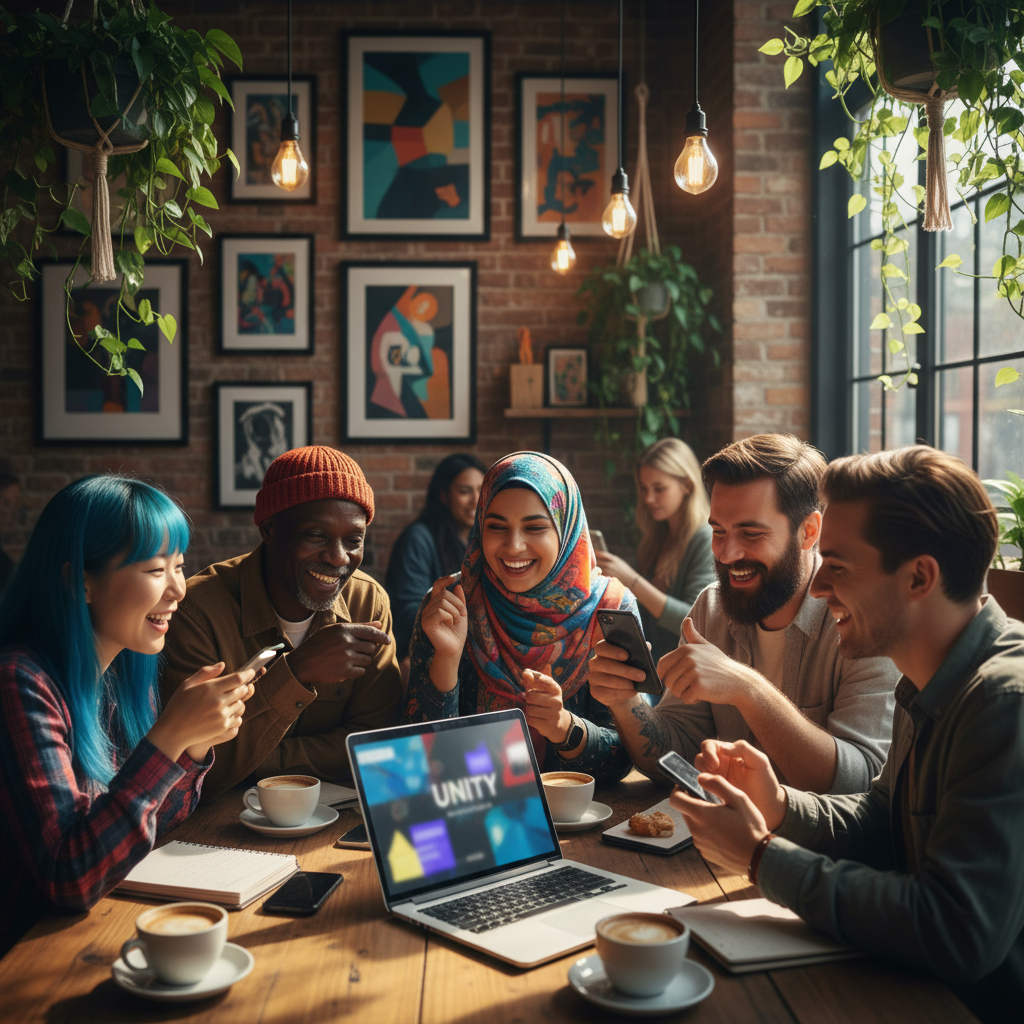
Political memes have evolved into powerful tools that can distort facts, shape opinions, and even influence elections, challenging our understanding of political discourse.
Here’s a wild thought: by the time you finish reading this article, the internet will have given birth to hundreds, if not thousands, of new political memes. Yeah, it’s that fast-paced and chaotic! Political memes aren’t just a light-hearted joke; they’re powerful tools that can distort facts, shape opinions, and even shift the tides of elections. Who would have thought that a simple image overlaid with text could wield such power?
But as we scroll through our feeds, we often underestimate the massive influence these memes hold within our collective consciousness and political landscape.
Talking Points:
Political memes emerged from the shadows of internet forums and cat videos, rapidly evolving into a staple of political discourse. Why? It’s simple: they distill complex issues into bite-sized, easily digestible morsels. Memes bridge gaps in understanding, offering a platform that anyone can access, especially younger demographics.
Gone are the days when political communication was limited to dry speeches and lengthy articles. With memes, we’re presented with a canvas for political satire. Remember those viral images from the last election cycle that made us laugh while clenching our jaws? They’re not just for giggles; they’re strategic, crafted to engage us emotionally while pushing specific narratives.
When it comes to political engagement, memes resonate loud and clear. A staggering number of people, especially millennials and Gen Z, are more inclined to participate politically when they encounter relatable content online. We’ve seen this play out extensively in recent elections, where memes have mobilized voices that might otherwise remain silent.
Talking Points:
Let’s break down what actually makes a meme a meme. It’s all about relatability, humor, and timing. An effective meme uses a familiar format—think of beloved characters or iconic images—to convey a political message.
Then, there’s the speed factor. Social media platforms like Twitter, Instagram, and TikTok work like high-speed trains when it comes to the dissemination of these creations. The sharing nature of these spaces allows a single meme to travel thousands of miles in mere seconds. Think about it: a meme created in one corner of the globe may impact political opinion in another within hours. Scary, right?
Memes thrive on platforms engineered for rapid, engaging content. These spaces aren’t just breeding grounds for viral sensations; they’re also battlegrounds for ideological warfare. How often do we find memes twist narratives to perpetuate misinformation or reinforce political polarization? Quite frequently!
Talking Points:
Let’s face it—memes are often a double-edged sword. Originally made for laughs, they can morph into weapons of mass persuasion when wielded by political actors. As a result, we’ve seen propaganda enter our feeds disguised as benign content. It’s vital to discern when humor crosses into harmful territory.
Consider the memes that painted opponents in unflattering lights during election cycles. These cleverly designed images didn’t just poke fun; they solidified damaging perspectives. They reinforce existing biases instead of challenging them.
The ethical implications are staggering. The implications of humor can indeed veil manipulative intent!
Talking Points:
Ever notice how certain memes just seem to resonate with your views, while others make your skin crawl? That’s political polarization for you! Studies show that exposure to political memes strengthens existing beliefs among partisan individuals. For staunch supporters, memes serve as digital battle flags, providing validation and camaraderie with fellow ideologues.
Political memes don’t just amplify opinions; they have a way of filtering out dissenting views. It’s easy to lose sight of a balanced perspective when you’re constantly bombarded with material that reinforces your stance. The result is a widening chasm where dialogue becomes nearly impossible.
Talking Points:
During the 2020 U.S. elections, we witnessed memes blur the lines of fact and fiction. From the infamous “Sorry, I Can’t” meme featuring problematic candidates to the playful misrepresentation of issues, the digital landscape became a meme battlefield.
Fast forward to 2024, where AI-generated memes emerged, adding a new, unsettling dimension. Some of these memes perpetuated harmful conspiracy theories, proving that we now have to contend with not just human creativity but algorithmic manipulation.
What’s clear is that the stakes are higher than ever. Every share, every like, plants seeds of opinion in the fertile ground of social media.
Talking Points:
Here’s where the rubber meets the road. As creators and consumers, we have a responsibility to question the integrity of what we share. The ethics of meme usage starts with the creator—will your meme enlighten or mislead? That’s a pivotal question we need to ask ourselves before hitting the share button.
But it doesn’t end there. Sharers also play an integral role. Have you ever posted a meme without checking its credibility? We must be vigilant citizens of the digital world, ensuring that our engagement fuels constructive discourse instead of divisive rhetoric.
Navigating this ethical terrain is tricky. Often, humor overshadows the impact, leading us to overlook the deeper implications of what we propagate.
Talking Points:
So, how do we combat misinformation when it infiltrates our feeds? First off, we must sharpen our critical thinking skills. Scrutinizing sources and considering motivations behind memes is essential. It’s easy to trap ourselves in echo chambers, but we need to challenge the content we consume.
There are also community-driven initiatives aiming to educate users. Fact-checking organizations are now harnessing the very meme culture they aim to critique to spread awareness about misinformation. Yes, nothing demonstrates the absurdity of misinformation like a good meme!
Let’s not sit idly by while damaging narratives circulate unchecked. Engaging with the intent of the memes we encounter empowers us against the tide of misinformation.
Political memes are more than just fleeting moments of laughter; they’re complex instruments of communication that wield the power to influence public perception and dialogue. As we scroll through feeds cluttered with viral content, let’s be conscious of their implications on discourse and public opinion.
We’re all part of this digital tapestry. Each meme we create or share plays a role in shaping our political landscape. So next time you encounter a meme, take a moment to consider its origin and impact. How does it resonate with your beliefs? Does it challenge or reinforce your views?
And hey, I’d love to hear your thoughts! Share your experiences or tips in the comments below. How do you navigate the world of political memes?
An effective political meme uses humor, relatability, and relevance, often leveraging popular culture to communicate complex ideas simply and memorably.
Political memes can perpetuate misinformation, deepen political polarization, and manipulate public opinion, especially among audiences who may not verify sources.
Memes resonate with younger audiences, often increasing political engagement by providing relatable and entertaining content that simplifies complex issues.
Not all political memes have malicious intent. However, many can distort facts or promote biased viewpoints, making discernment crucial for viewers.
Stay informed, question sources, and support community initiatives focused on media literacy to help combat the misinformation spread through political memes.