







Newsletter Subscribe
Join thousands of readers who get our Sunday Briefing: one email, five essential stories, zero fluff. Subscribe NOW!

In today's political climate dominated by radical dialogue, conservative politics stands as a guardian of tradition and gradual change. This article critically examines its foundations and lasting impact, arguing that adaptability may determine its future relevance.
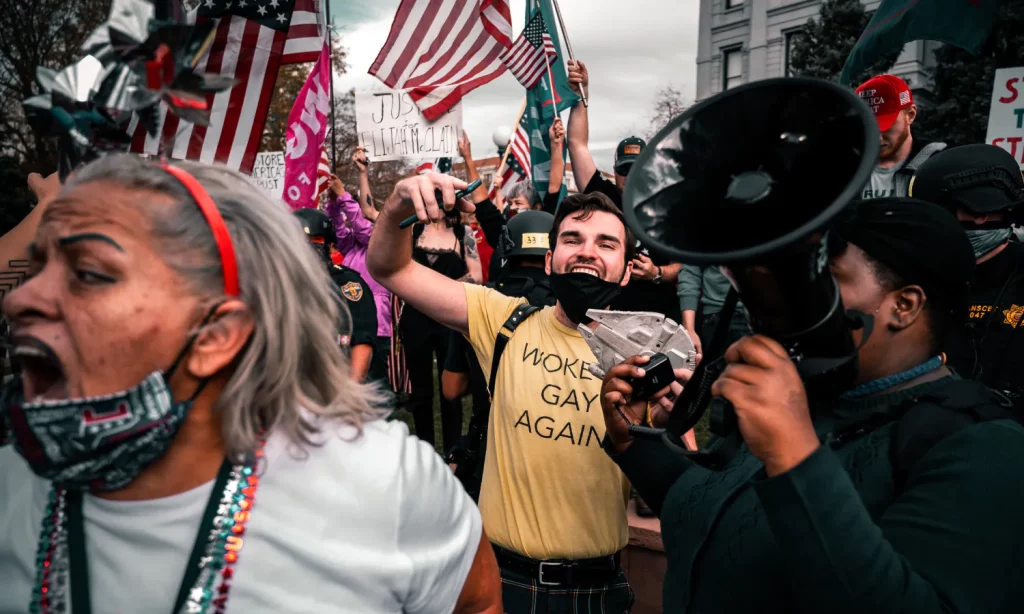
Think about this: In today’s political climate, where shouting matches dominate our screens, it’s startling to realize that a study of nearly 18 million tweets from politicians showed a palpable increase in toxic dialogue. It’s a signal of the radicalization bubbling beneath the surface, particularly among conservative circles. This isn’t just political banter; it’s a reflection of a deepened divide in political conservatism. The way we engage with each other defines our political landscape, and this trend is reshaping foundational beliefs about governance, society, and change.
Conservative politics, in its essence, is about holding onto tradition and valuing the established social order. Living in an era of change has always brought challenges to conservative thought: some embrace change, while others recoil. So what is conservative politics really made of? Let’s peel back the layers.
Talking Points:
Conservative politics isn’t just a blanket ideology; it’s a tapestry woven from historical practices, philosophical musings, and real-world applications. At its core, conservatism champions the value of tradition. Think of it as a family heirloom that gets passed down. Each generation polishes and preserves it, not out of obligation but out of appreciation for what it represents.
Political conservatism advocates for practices that have historical significance, maintaining established hierarchies in society that are believed to offer stability. It’s about respect for what has come before us, often resisting sweeping reforms that promise change but can disrupt societal fabric.
One thing often misunderstood is that conservative thought doesn’t dismiss change outright; it simply prefers evolution over revolution. There’s a palpable skepticism toward grand theories or abstract principles—real-world implications matter more. The gradual development approach offers a sense of security, a lifeline that can sometimes feel necessary in turbulent times.
Talking Points:
Let’s take a historical sidestep to get a clearer picture here. Edmund Burke is often hailed as the grandfather of modern conservatism. In his seminal work, “Reflections on the Revolution in France,” Burke argued against radical change, advocating instead for a thoughtful, deliberate evolution of society. This call for gradualism has echoed through centuries.
Fast forward to our current political stage, and Burke’s principles remain relevant, albeit interpreted through different lenses. The conservative movement today is not monolithic; it has splintered into various factions. From traditionalists who value social hierarchy to populists who align more with radical rhetoric, the historical thread that Burke started is being tugged at from different angles.
And here’s a kicker—while some factions retain a connection to Burke’s ideals, others, like the MAGA movement in the U.S., have shifted significantly. Critics argue that this shift embraces a populist flavor that strays from the cautious and reflective tenets of conservative philosophy.
Talking Points:
The bedrock of conservative politics rests on certain key tenets — namely tradition, hierarchy, and a propensity for gradual change. Emerging from a belief that human nature is fundamentally flawed, conservatives push for institutions to enact checks on our baser instincts. Institutions aren’t just seen as bureaucratic layers—they’re considered essential guardians of ethical behavior.
We find ourselves in a society where fast-paced change can evoke anxiety; conservatism reassures us with a promise: let’s build upon what we know works. Social hierarchies, from conservatism’s perspective, often provide that order. While some scream for equality, conservatives argue that established hierarchies contribute to social stability, allowing for a framework within which individuals can thrive.
At its core, the conservative lens values the gradual evolution of these hierarchies, favoring the organic development of society over radical upheaval. This dialogue between legacy and change touchpoints allows conservatives to navigate modern dilemmas without fully abandoning their foundational principles.
Talking Points:
Now that we’ve set the stage with theoretical insights, let’s look at how these principles manifest in real life. Take the U.K.’s Conservative Party, which emphasizes fiscal responsibility and traditional family values, often adjusting policies to reflect changing societal norms without veering too far from core beliefs.
Contrast that with the American conservative movement, which today finds itself depicted as populist and combative. The MAGA movement highlights a more radical approach, challenging everything from immigration reform to international policies, often ignoring traditional conservatism’s call for gradual development.
Looking overseas in places like Eastern Europe, we see conservative politics flowing through a different stream. Here, established hierarchies combine with nationalistic fervor, showing that while conservative politics often shares common principles, the local cultural context shades its application.
Talking Points:
Critically speaking, conservatism is far from flawless. The very principles that advocate for social stability can lead to stagnation. When asked about conservatism today, various critiques emerge, asserting that many modern movements, particularly those escalating into populism, have strayed from conservative roots.
For instance, many critics assert that contemporary conservative movements, particularly in the U.S., seem detached from the very philosophical underpinnings that once guided them. This angst over disconnection is growing louder, leading to questions about conservatism’s capacity for adaptability. Does a rigid adherence to tradition hinder progress? It’s a serious debate.
Furthermore, some argue that the style of conservatism that emphasizes hierarchy and tradition fosters a disconnect within society, leaving those on the lower rungs feeling marginalized. If conservatism cannot evolve, can it endure? This ever-looming question demands attention.
Talking Points:
As we gaze into the crystal ball, the conundrum of sustainability in conservative politics darkens. The stark challenges presented by a swiftly changing global landscape threaten the viability of traditional conservative ideology. Those who cling tightly to outdated models risk obsolescence, while adaptability could mean reimagining what it means to be conservative.
The digital age is here; traditional institutions must learn to dance to a new tune. If conservative movements fail to engage with progressive themes while maintaining foundational principles, they run the risk of appearing outdated or out of touch. An open conversation about ethics or reforms that resonate with younger generations can pave the way for a reformed conservative identity, rooted yet responsive.
To sum this all up, conservative politics is not just a relic of the past; it’s an ongoing conversation about the balance between tradition and change. It’s essential that we question and critique these beliefs critically while remaining open to evolving dialogues. The future of conservative politics hinges on its ability to adapt without losing sight of its core values.
So, how do you see conservative politics impacting your world? Are you feeling the pull of tradition against the push for change? I’d love to hear your insights! Feel free to share your thoughts or personal experiences in the comments below.
What are the key principles of conservative politics?
Conservatism emphasizes tradition, social hierarchy, and gradual change. It values established institutions and promotes social stability through historical practices and norms.
Who is considered the father of modern conservatism?
Edmund Burke, an 18th-century British political thinker, is often viewed as the father of modern conservatism. His ideas emphasized the importance of tradition and gradual change in society.
How does conservatism view human nature?
Conservatives typically see human nature as flawed, believing that robust institutions are necessary to manage base instincts and promote ethical behavior within society.
What criticisms are often leveled against modern conservatism?
Critics frequently argue that modern conservative movements have deviated from traditional principles, becoming overly populist or radical, which can alienate core beliefs focused on measured, slow change.
Is conservatism adaptable to modern challenges?
While there are challenges, adaptability is necessary. Many argue that conservatism must openly engage with contemporary social issues and values to remain relevant and sustainable in today’s fast-paced world.