





Newsletter Subscribe
Join thousands of readers who get our Sunday Briefing: one email, five essential stories, zero fluff. Subscribe NOW!

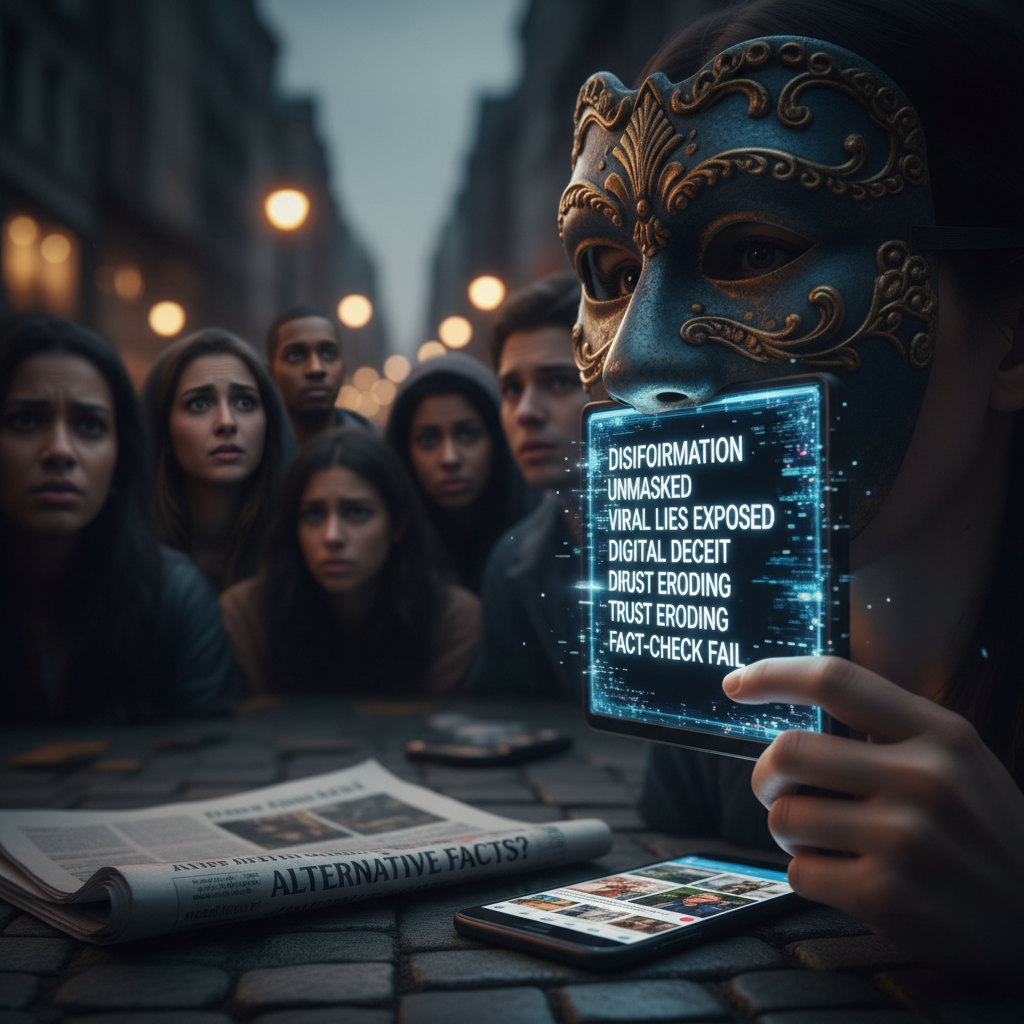
In an age where misinformation runs rampant, understanding the nature and mechanics of 'fake news' has never been more critical. Only 19% of U.S. adults are confident in distinguishing real from false information. This article unpacks the pervasive issue of misinformation, its historical context, and the strategies we can employ to combat it.
We’ve all been there—a frantic scroll through our social feeds, stumbling upon a headline that makes you stop and think, “Really? Is that true?” Well, I recently learned that only 19% of U.S. adults are very confident they can distinguish real news from false information, a staggering statistic in a world where misinformation thrives. In all honesty, it’s maddening! The internet has revolutionized how we consume news, yet it’s become a breeding ground for deception. Are we equipped to handle this onslaught of information?
Talking Points:
I sometimes chuckle when people throw around the term “fake news” like it’s the latest fad. But to truly grasp this phenomenon, we need to dissect its meaning. Simply put, fake news has evolved into a catch-all term that encompasses everything from outright lies to misleading headlines. Misinformation is often spread unintentionally—like that time I thought a Facebook meme about avocado toast being the reason for millennials’ financial struggles was factual, only to find out it was a total gag!
On the other hand, disinformation is a deliberate act; it’s the information warfare used to push political propaganda, muddy the waters, and, let’s face it, ruin public trust. The insidious aspect? The line between fact and fiction is increasingly blurred. The fabrications we once left to tabloids have now become a staple across mainstream platforms.
Talking Points:
Misinformation isn’t a new issue; it has been a part of human society for centuries. Picture this: back in the 1500s, when the printing press first emerged, misinformation flowed just as easily as it does today, albeit on crumpled parchment instead of sleek screens. The public was fed tales that sometimes had little to no basis in reality—like the infamous “blood libel” stories pertaining to Jews and child sacrifice.
Fast forward to our current era: misinformation now creeps into every nook and cranny of our daily lives. From the fabricated narratives of wartime propaganda to recent invented stories of celebrity exploits, the consequences have been grave and widespread. History teaches us one essential lesson—we are susceptible to believing narratives that align with our biases and fears.
Talking Points:
It’s no surprise that misinformation spreads faster than facts. We humans are understandably drawn to information that confirms our beliefs—a phenomenon known as confirmation bias. In a study I came across, it showed how people often seek out information that fits their worldviews, while dismissing counter-evidence. With algorithms curating our feeds, we become ensnared in echo chambers that ignite our biases, making it all too easy to swallow false narratives.
Picture hearing a piece of sensational news that resonates with your existing beliefs; it’s no wonder we click “share” before thinking twice—only to find out later it was fabricated. Add the 24/7 news cycle’s pressure, and you’ve got a recipe for disaster! Media outlets are incentivized to grab attention quickly, and the truth often takes a back seat.
Talking Points:
Let’s be honest—social media platforms are the wild west of information sharing. They provide the tools to amplify both truthful information and blatant fabrications. Algorithms prioritize engagement over accuracy—after all, what gets more clicks? Sensational shout-outs about political corruption or heartwarming animal stories? Guess which one wins?
I’ll admit—I got suckered into a viral post that claimed my favorite author was embroiled in scandal. The sheer outrage fueled a flurry of shares. Only when I dug deeper did I realize it was pure fabrication, feeding off our desire for juicy gossip. Not just that! The psychological impact can be severe; the constant barrage of conflicting narratives can leave us feeling anxious and confused about what to trust.
Talking Points:
‘Fake news’ has found a home in political discourse, and it’s strategically weaponized. Remember the infamous 2016 election and how misinformation played a central role? It’s eerie how fabricated stories were used to sway public opinion, effectively creating a divide among the electorate.
I often think about the chilling effects of these tactics—entire communities torn apart by falsehoods that align with a specific agenda, chipping away at our collective responsibility to pursue truth. The negative consequences ripple through society, eroding trust in legitimate news outlets and fostering a climate of skepticism.
Talking Points:
Why is it so easy for us to believe falsehoods? Researchers argue that a feeling of uncertainty or social exclusion makes individuals more susceptible to conspiracy theories and misinformation. It’s like a soothing balm on an anxious mind. When our reality feels uncontrollable, believing in neat narratives can provide clarity—no matter how false that clarity might be.
Take, for instance, an argument I had with a friend over an outlandish conspiracy theory. Our debate didn’t just revolve around the facts; it was about our identities. We each held tightly to our views—and surprise, surprise, this made it nearly impossible to see reason. Addressing these cognitive biases is key to opening up our minds to facts, even when it feels uncomfortable.
Talking Points:
The consequences of ‘fake news’ are dire, leading to a significant erosion of public trust. I know from personal experience how easy it is to get disillusioned when I encounter conflicting streams of information. It’s alarming to see how this mistrust seeps into our institutions. We’re left grappling with skepticism towards the very fabric of our democracy.
In meetings, discussions, and even social gatherings, ‘who do you believe?’ becomes the daunting question on everyone’s lips. Misinformation doesn’t just disrupt individual lives—it jeopardizes participation in the democratic process, as people become apathetic, outraged, or completely disengaged.
Talking Points:
At this point, you might wonder, what can we do? The first step is to improve our media literacy. It’s not just about reading headlines but digging deeper—fact-checking sources and acknowledging bias. I often challenge myself to read opposing views and evaluate their validity. It’s key to engage with diverse perspectives, no matter how uncomfortable it feels.
Don’t dismiss the power of community! Engaging in discussions about misinformation fosters critical thinking and opens avenues for understanding. Whether it’s a book club or casual conversation, raising awareness of the traits that often signal misinformation is a practical step in combating the spread.
The stakes are high in the battle against ‘fake news.’ Our responsibility goes beyond just seeking the truth; we must cultivate our critical thinking and media literacy skills. Maintaining skepticism and being vigilant in our information consumption is vital, especially as we navigate this minefield of deception.
As we go about our lives, ask yourself: what narratives are being presented to you? Are they rooted in truth or illusion? I encourage you to share your own experiences with misinformation and tips on navigating these perplexing waters. Let’s arm ourselves with knowledge and remain committed to upholding integrity in our discourse!
Q1: What is the difference between misinformation and disinformation?
A1: Misinformation is incorrect or misleading information shared without malicious intent, while disinformation is deliberately created to deceive and manipulate public opinion.
Q2: Why do people believe in conspiracy theories?
A2: Many individuals turn to conspiracy theories in times of uncertainty as they can provide a sense of control and certainty, especially when feeling marginalized or powerless.
Q3: How can I spot fake news?
A3: Look for credible sources, verify facts through fact-checking sites, and be wary of sensational headlines. Trust the source—if it looks sketchy, it probably is!
Q4: What role does social media play in spreading fake news?
A4: Social media amplifies misinformation through quick sharing, algorithm-driven content, and the viral nature of engaging yet misleading stories that catch attention.
Q5: Can education help combat misinformation?
A5: Absolutely! Promoting media literacy in education can empower individuals to critically evaluate sources and recognize misinformation, helping create a more informed society.