








Newsletter Subscribe
Join thousands of readers who get our Sunday Briefing: one email, five essential stories, zero fluff. Subscribe NOW!
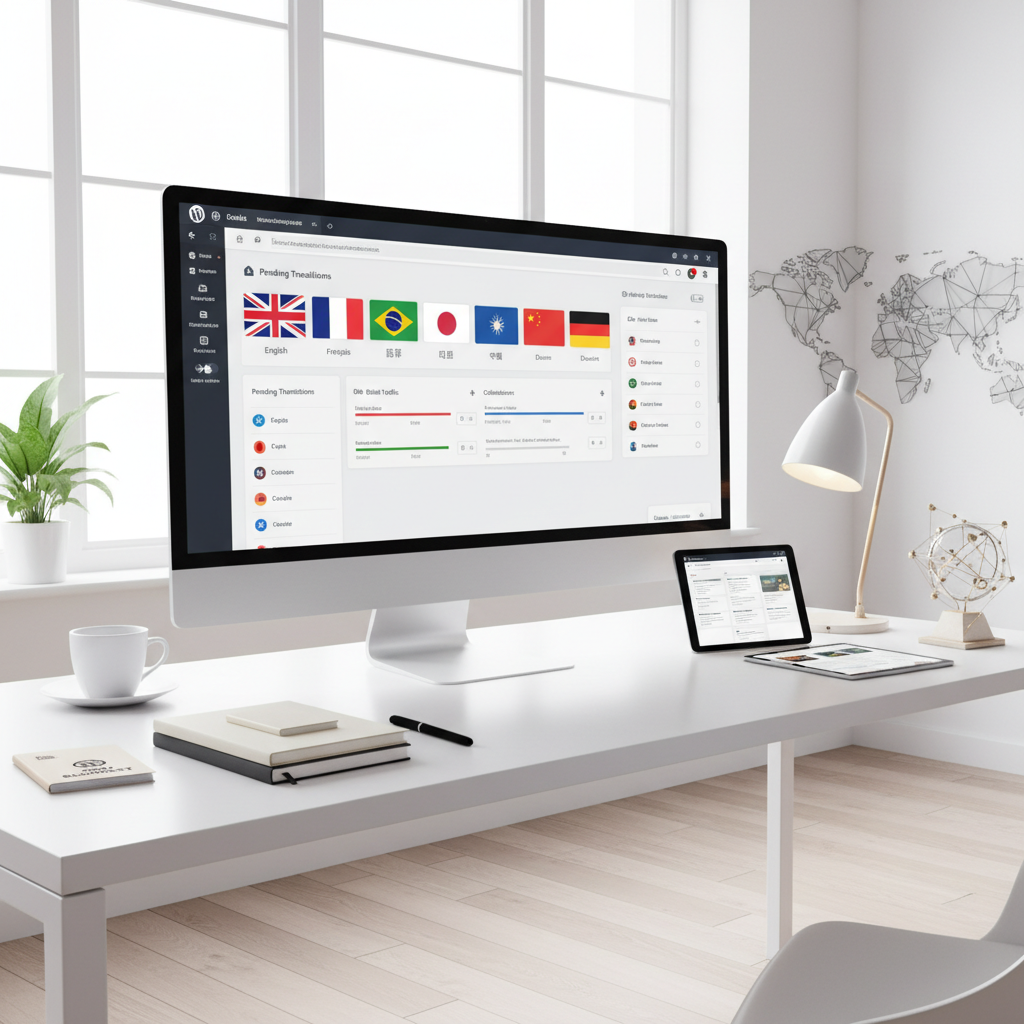
In the high-stakes world of digital marketing, developing multilingual WordPress sites can appear deceptively easy. Here’s a candid examination revealing the truth behind the allure, exploring plugins like WPML, Polylang, and TranslatePress, among other critical considerations for maintaining a multilingual presence.
Talking Points:
When I first ventured into creating a multilingual WordPress site, I remember thinking it would be as easy as clicking a button. A couple of plugins, a few translations, and I’d be reaching a global audience in no time. Right? Wrong. The allure of expanding into new markets is enticing, but the illusion of an effortless multilingual setup often ends in chaos. You realize quickly that it’s not just about translating words; it’s about creating an experience that resonates across different cultures. Are you actually ready for that?
Talking Points:
Let’s get real. WordPress multilingual plugins can be a lifeline or a noose. With options like WPML, Polylang, and TranslatePress, the choices may appear infinite. However, each comes with its unique baggage. Sure, they promise to make life easier, but dive deeper, and you’ll find glaring issues. Even with a user-friendly interface or enticing features, the user experience can take a hit if the implementation is poor. Balance is key here; don’t just grab any plugin that looks good on paper.
Talking Points:
WPML is like that heavyweight champion in the ring; it’s big, powerful, and can knock your socks off. Supporting translations of posts, pages, and custom post types, it offers features that make it a go-to for many. But let’s not gloss over its downsides. The compatibility issues with other plugins? Frustrating. The learning curve? Steep! Not to mention the costs involved—$29 a year for a basic license sounds good until you realize the additional costs for professional translation services aren’t included. Talk about bankrupting yourself in the name of expansion!
Talking Points:
Then we have Polylang. If WPML is the heavyweight, Polylang is the lightweight contender—simple, effective, and charming in its own right. Designed to be straightforward yet powerful enough for basic needs, it’s especially useful for small to medium-sized businesses. However, let’s not be naive; it also comes with its downsides. The free version is great, but good luck finding the Pro functionalities in a jam. WooCommerce integration? You’ll need to pony up for that. Each plugin has its niche—understand what you really need before you commit.
Talking Points:
TranslatePress, on the other hand, gets bonus points for its intuitive interface. You can see your translations in real-time; it feels almost magical! However, you’ll quickly hit a wall if your site is large. Imagine translating thousands of posts by hand—what a headache! The ease of use is appealing, but if you’re not careful, you’ll find yourself overwhelmed in the details. Does it do a good job for small sites? Absolutely! Larger sites? Well, that’s a different story.
Talking Points:
Here’s the kicker: multilingual SEO needs more than just translated content. Think about it. Keywords don’t always translate directly. Picture this: if you’re trying to be discovered in different markets, you must tailor your SEO strategy for each language. Failing to do so is a surefire way to remain invisible online. You wouldn’t want that, would you? Stay sharp with your SEO strategies, and make sure you’re doing it right or risk losing the audience you’re trying to reach.
Talking Points:
Let’s discuss the unglamorous side of multilingual sites: technical challenges. It’s not just about the plugins—often, your theme will throw a wrench in your plans. If your theme isn’t optimized for multilingual setups, you might see layout issues, broken links, or, worse, pages that disappear. Ensure your theme can handle multiple languages. It’s a foundational aspect that could make or break your multilingual site.
Talking Points:
Let’s face it, a slow website is a deal-breaker. Multilingual implementations can add significant loading time, especially with heavy plugins. No one wants to wait for a site to load, especially in a world packed with faster alternatives. Look into caching solutions, and consider optimizing images and scripts. The effort is worth it; you want to keep your audience engaged. Speed matters!
Talking Points:
Now, let’s discuss the elephant in the room: cultural sensitivity. We’ve all heard horror stories of brands failing miserably while trying to enter new markets. Just translating words isn’t enough—you need to consider cultural nuances. A phrase that works in English may offend in another language. Be genuine and respectful in your translations. Cultural awareness is essential to making a lasting impression.
Talking Points:
Managing a multilingual site is akin to juggling. You have to keep everything balanced—content updates, user experience across languages, and more. If one language becomes outdated, it can lead to confusion and frustration for visitors. Regular reviews and updates are non-negotiable; this isn’t a set-it-and-forget-it scenario. Think ahead—schedule regular checks to ensure all versions of your content remain current. It’s a hefty responsibility, but worth it.
Talking Points:
Here’s the burning question: is the investment worth it? Setting up a multilingual site doesn’t come free. You need to factor in plugin costs, translation services, and ongoing maintenance. Once you evaluate the potential increase in audience reach and revenue versus the costs involved, the decision might become clearer. Often, the return can be significant, but do your homework and ensure it aligns with your business goals.
Transitioning into a multilingual site isn’t just a technical hurdle; it’s a philosophical shift in how you view your audience. Instead of thinking of it as simply translating content, consider how to engage authentically with different demographics. Evaluate each plugin’s strengths and weaknesses, understand the costs involved, and prepare for the maintenance required. So, before you plunge into the depths of multilingual development, ponder—are you truly ready to meet your diverse audience where they are? Share your experiences, tips, or questions in the comments and let’s tackle this together!
A1: Some popular choices include WPML for extensive options, Polylang for simplicity, and TranslatePress for real-time translation.
A2: Use correct hreflang tags, translate keywords accurately, and create unique URLs for each language to improve SEO performance.
A3: Generally, it’s best to stick with one plugin to avoid conflicts and ensure smooth operation of your site.
A4: Regular updates are crucial—aim to review translations at least quarterly to keep all content consistent and up-to-date.
A5: Yes, Polylang offers a free version, and TranslatePress also has a generous free tier that’s effective for smaller sites.