




Newsletter Subscribe
Join thousands of readers who get our Sunday Briefing: one email, five essential stories, zero fluff. Subscribe NOW!
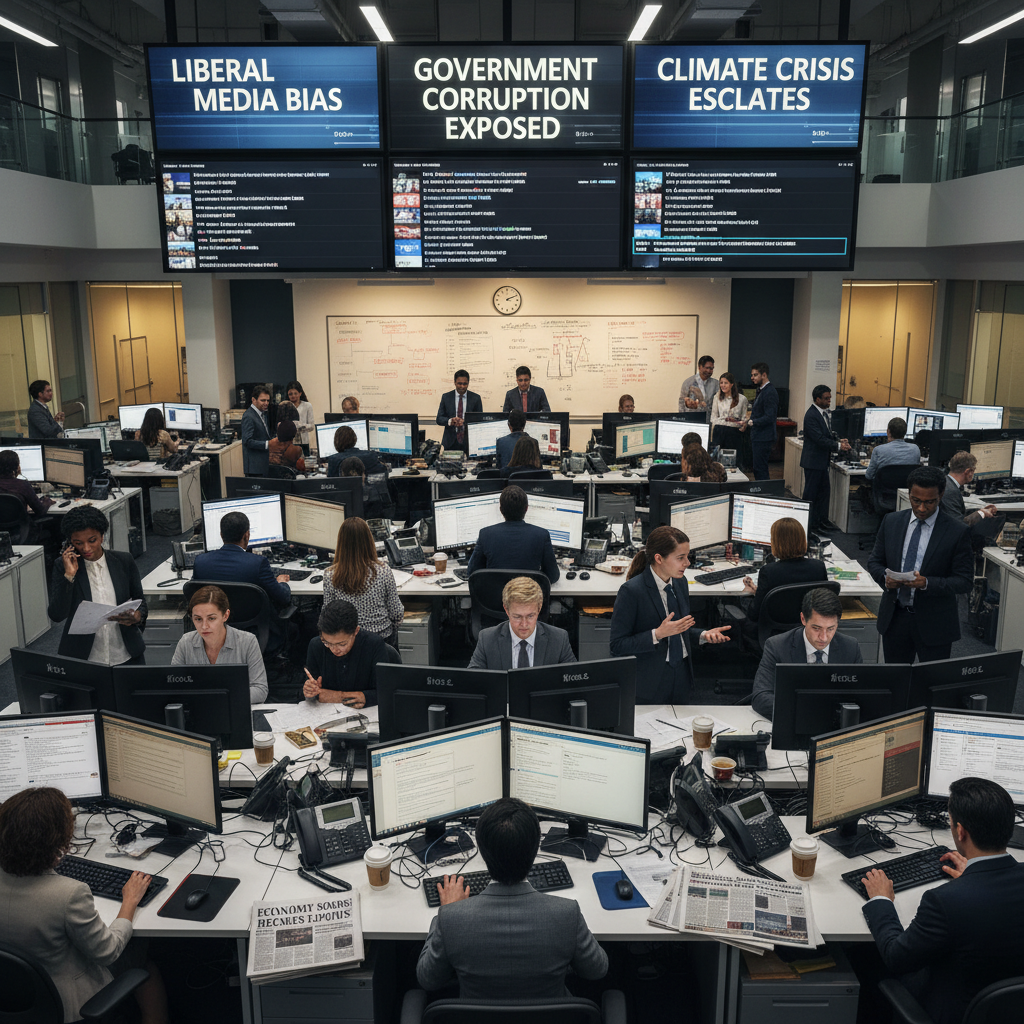
Explore the controversial topic of media bias in this thought-provoking piece that delves into claims of liberal bias, counterarguments, and the impact of social media.
Did you know that 65% of self-identified conservatives believe social media companies intentionally censor their viewpoints? It’s a staggering statistic, pointing to a deep-seated discomfort that many individuals have with the media landscape today. It’s difficult to deny that where you get your news dramatically shapes your perspective on the world. Yet, how many of us have considered just how our own biases—left or right—color the stories we choose to believe? It’s a frustrating reality, but it’s crucial to grasp the fundamental role media plays in shaping public perception—and that’s what we’re getting into today.
As we peel back the layers of this so-called “liberal media bias,” we find a rich tapestry of history, politics, and influence that often gets simplified or mischaracterized. So, let’s take the plunge into this debate, looking at claims, counterclaims, and, most importantly, the data that supports or disputes these narratives.
Talking Points:
When discussing the term “liberal media,” it’s essential to grasp its historical roots. This term has been around since the late 20th century, often thrown around by those who feel sidelined by mainstream narratives. The word “liberal” doesn’t always mean a shared agreement on every issue with certain ideologies; it can just represent perspectives that challenge conservative viewpoints.
But how exactly does this liberal label manifest? It can boil down to choices in news reporting, the angles taken on stories, or even the voices that get highlighted. In today’s media environment, where political polarization is more pronounced than ever, these factors can lead to accusations of bias.
Talking Points:
Media has always been a potent force in politics, dating back decades. In the 20th century, differing journalistic practices shaped public perception in profound ways. Think of the way sensationalism in reporting has often amplified conflicts. The Watergate scandal is a prime example; it wasn’t just a story—it was a turning point in how Americans viewed the media’s role in democracy.
Yet, we’ve seen a shift over time. Back in the day, many journalists held a firm stake in maintaining their integrity, while today, it sometimes feels like news outlets have forgotten that commitment. With the advent of 24-hour news cycles, everything seems to speed up, leading to the quick posting of news without careful consideration of consequences.
Talking Points:
Let’s get to the meat of it: Are there actual examples of liberal bias in the media? Claims often target outlets like CNN, The New York Times, and MSNBC. But the challenge lies in understanding how we evaluate bias.
In a 2020 study, researchers concluded that there wasn’t a liberal bias in how political journalists select stories. This raises a critical question: Does our perception hinge more on our own beliefs than on the actual content? A 2005 research piece suggested that perceptions of bias often stem from an individual’s partisan leanings, skewing our interpretations on what constitutes a “biased” report.
Talking Points:
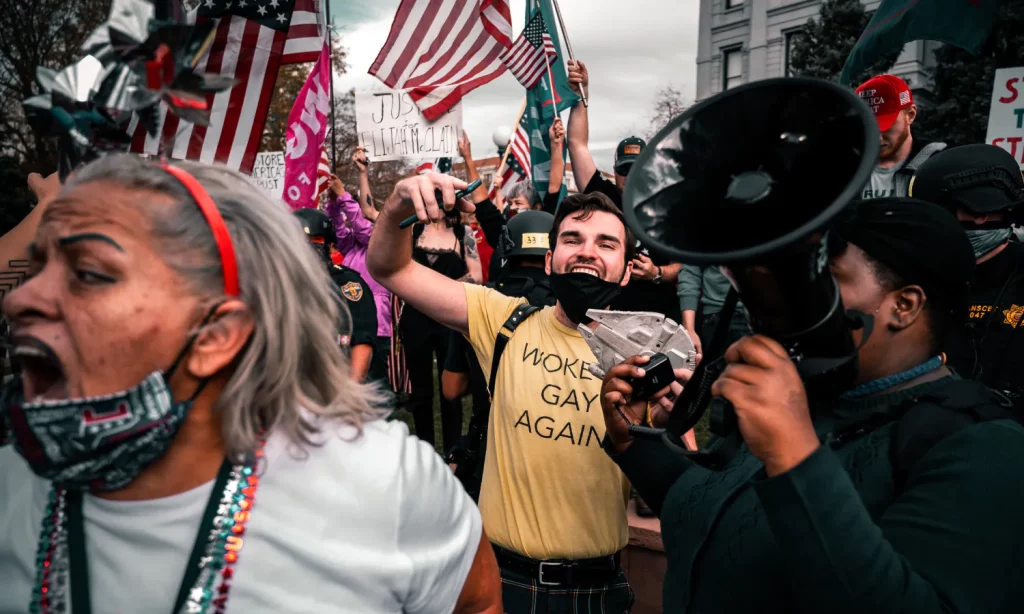
Sometimes, specific stories lend themselves to claims of bias. For instance, coverage of political rallies often draws ire from opposing audiences. If a right-leaning rally is portrayed with skepticism, suddenly that’s a “liberal bias.” But wouldn’t documenting discrepancies be part of journalistic integrity?
And then there’s social media. The instant sharing of opinions shapes how claims of bias spread. People often react to a headline rather than the content, helping to propagate fears of bias, no matter if they’re founded or not. Experts emphasize that the dialogue around media should be rooted in critical thought rather than tribal instincts.
Talking Points:
Opponents of the liberal media myth often highlight conservative bias as a counterpoint. Some argue that the owners of major media houses lean right, influencing editorial choices in subtle but significant ways. But beyond ownership, let’s consider the concept of echo chambers—how news consumers might prefer conservative outlets that cater to their beliefs, reinforcing their pre-existing views.
Ironically, evidence suggests that there are instances of conservative bias that aren’t labeled with the same ferocity as claims of liberal bias. For example, political figures being labeled differently based on their alignment. But this leads us back to a complicated truth: bias isn’t a one-size-fits-all label.
Talking Points:
In the age of social media, things become murkier. Algorithms tailor what we see, presenting a filtered reality that often skews our perceptions. If one’s social media feeds are filled with like-minded perspectives, liberal or conservative, it only amplifies the narrative one expects to see and creates a bubble where opposing views are rarely accounted for.
Citizen journalism complicates this further. With anyone having the potential to report news, traditional journalistic standards may get tossed aside. The line blurs when a “fake news” headline trends online, overshadowing substantial reports from reputable outlets.
Talking Points:
It’s safe to say the media plays a critical role in political polarization. It’s straightforward: if we’re only consuming one type of news, our worldviews narrow. Psychological factors also come into play; confirmation bias leads us to gravitate towards news that affirms our beliefs while rejecting the contrary.
For those looking to bridge the divide, consuming diverse forms of media becomes necessary for a fuller picture. It’s not just about what you read, but how you interpret it too.
Talking Points:
So, how do we sift through the noise? One strategy is to diversify your news sources. Don’t let your reality be dictated by one outlet. Check facts against reliable sources, using sites like Snopes or FactCheck.org to verify claims.
And let’s spill the tea: critical thinking is essential. Question everything. Honestly, don’t just swallow any narrative whole. It takes practice, and yes, some frustration is inevitable. However, the more effort you put into scrutinizing your news, the more rewarding the process becomes!
Talking Points:
Where are we headed? With technology changing so rapidly, the landscape of media—that so many of us take for granted—is shifting. New platforms emerge, along with different methods of consuming information. The implications for media bias and trust become monumental, especially as we head into future elections where polarization shows no signs of fading.
Getting a grasp on the implications of media consumption is crucial. Expect challenges; misinformation and disinformation will continue to thread through our media culture, impacting political engagement on all levels.
As we reflect on everything discussed, one thing is clear: the debate about media bias is anything but simple. It’s crucial to question our own beliefs and tackle the hard truths about the media’s influence on our political landscape. The importance of scrutinizing what you read cannot be underestimated, especially in a time when distrust dominates the conversation.
So, what do you think? Are we just victims of our own biases, or is something more sinister at play in our media consumption? I want to hear your experiences—let’s keep this conversation alive in the comments below!
1. What factors contribute to media bias?
Media bias can stem from various factors, including the ownership of news outlets, journalistic practices, audience preferences, and the narratives promoted by social media.
2. How can I identify bias in news articles?
Look for the language used, whether the article provides multiple viewpoints, and how sources are presented. Fact-checking against independent sources can also help.
3. Is liberal bias more prevalent than conservative bias in the media?
It varies by outlet and context. Research suggests that perceptions of bias often reflect individual partisan leanings rather than objective bias across the board.
4. Does social media contribute to media bias?
Yes, social media can amplify perceptions of bias, primarily through algorithms tailoring news feeds that reinforce existing beliefs, creating echo chambers.
5. How can I mitigate my own biases when consuming news?
Diversifying your news sources, questioning everything you read, and developing critical thinking skills are essential steps to mitigate personal biases in news consumption.