



Newsletter Subscribe
Join thousands of readers who get our Sunday Briefing: one email, five essential stories, zero fluff. Subscribe NOW!
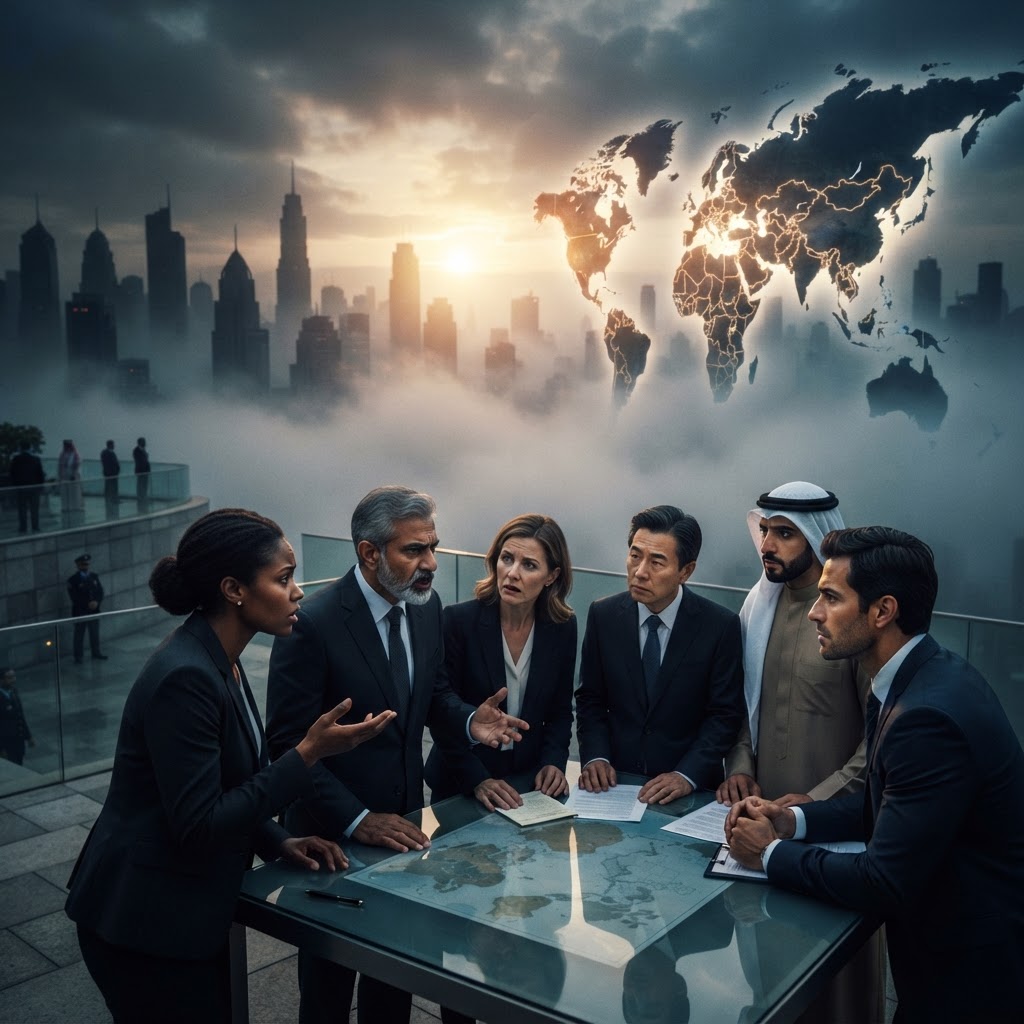
The geopolitical landscape is rapidly shifting. As we approach 2026, the illusions of stability are being shattered by emerging trends and stark realities. Dive into this analysis to understand the underlying themes at play.
This morning, I stumbled across a striking statistic: geoeconomic confrontation is now the top global risk for 2026, outpacing interstate conflict. It made me think—how often do we blindly trust the narratives spun by our leaders? We hear a lot about stability and collaboration, but the closer I look, the more I see a web of contradictions and deep-seated vulnerabilities.
It’s time to shatter that illusion and confront some uncomfortable truths about our geopolitical landscape. If you think everything’s going to remain calm while the tides around us shift, buckle up; you’re in for a rude awakening!
Talking Points:
The idea of a rules-based international order has long been treated like a sacred text. Ever since the end of the Cold War, we’ve collectively clung to the belief that a structured, rules-driven world would protect us from chaos. But let’s be honest; this is a comforting lie.
Look at the facts! The U.S. has transitioned from a beacon of liberal democracy to merely an electoral democracy. Progress has stalled, and the momentum has shifted. Behold how 54 countries experienced declining civil liberties—not little blips, but a clear trend for two decades running. Whether it’s due to authoritarian regimes clinging to power or the rise of populism in supposed democracies, we’re in a state of flux.
Talking Points:
Forget what you’ve heard; the dollar isn’t going to maintain its preeminence forever. With nations increasingly eyeing alternatives—like China’s digital yuan—business as usual is just a fantasy. Public debt is skyrocketing, and experts from the Bank for International Settlements have raised alarms about vulnerabilities within the non-bank financial sectors.
As we inch closer to 2026, the financial system we’ve known could implode. How’s that for stability?
Talking Points:
Remember 2020? The pandemic revealed just how fragile our global supply chains truly were. Fast-forward to 2026, and companies are scrambling to ‘de-risk’ their operations. Regionalization is the name of the game, but don’t mistake that for a return to normalcy.
The emerging focus on antifragility—becoming stronger in the face of disruptions—looks good on paper, but implementing it is like trying to build a plane while it’s in the air. We’re not just seeing changes in logistics; we’re witnessing a seismic shift in how industries operate and interact.
Talking Points:
Once upon a time, international summits held great promise. Picture world leaders, handshakes, and treaties being signed. Nowadays, it feels more like a poorly scripted play. With leaders often spouting slogans that don’t translate into action, these meetings are becoming more about optics than outcomes.
There was a time when summits could forge alliances; now they mostly produce sound bites for Twitter. It’s frustrating to watch as we pin our hopes on these events, only to be met with shallow rhetoric and empty commitments.
Talking Points:
It’s no secret that technology is dictating the rules of engagement. We are entering an era where nations aren’t just competitive; they’re downright hostile in terms of tech. Compute capacity is a, let’s call it a geopolitical bottleneck. AI requires resources that most countries don’t have—or won’t disclose—leading to a dangerous dynamic of power plays.
While the U.S. and China duel it out, we can’t overlook how tech monopolies could undermine existing democracies. In this new world order, you’ll find technologically empowered nations wielding unprecedented influence, making their own rules as they go. Are we prepared for that?
Talking Points:
Speaking of power, resource scarcity isn’t just a buzzword; it’s set to reshape how nations interact. From water to minerals, the Global South finds itself in an increasingly precarious position as wealthier nations scramble for essential resources.
Climate change will only exacerbate this problem. So, the question becomes: who’s left standing when the dust settles? The pressure cooker of resource competition is about to blow.
Talking Points:
It’s hard to ignore that democracy, even in its birthplace, is showing signs of wear and tear. Look around—institutions that once acted as checks and balances are now paralyzed. In the desperation of maintaining control, we ace a rise in authoritarianism, masking itself under the guise of stability and order.
This is a system in decay. If you think your vote counts in this shifting landscape, think again.
Talking Points:
As established hegemons falter, regional actors seize the spotlight. What does that mean for the status quo? Emerging powers are set to take center stage, pushing aside traditional players that have dominated the narrative for decades.
Nations once considered small potatoes are now pivoting from the sidelines, asserting themselves as potential game-changers in the geopolitical chess game.
Talking Points:
Buckle up, folks. The next few years promise to be anything but stable. Geopolitical risk will become the new normal, and those who think otherwise are just setting themselves up for failure.
Emerging crises will echo in financial markets and international relations, reshaping our lives. The unpredictable will be the most predictable consequence we’ll face.
It’s high time we stop idealizing the past and confront the truths ahead. The geopolitical landscape is not just evolving; it’s breaking down. Understanding these trends is essential for anyone looking to navigate this stormy future.
I encourage you—don’t just accept the narratives being thrown your way. Look critically at the world. Share your experiences or insights in the comments, and let’s grapple together with the complexities ahead!
1. What are the main geopolitical trends to watch for in 2026?
The main trends include increasing geoeconomic confrontation, declining global hegemony, strategic decoupling, and rising resource competition, especially in the Global South.
2. How is the financial hegemony of the U.S. changing?
The U.S. is losing its status as the unquestioned leader of the global financial system, with alternatives to the dollar being considered, increasing public debt, and issues across the non-bank financial sector.
3. What impact does technology have on global power dynamics?
Technological advancements, particularly in AI and computing, are reshaping how nations interact, often serving as geopolitical weapons that enhance a country’s influence.
4. How does resource scarcity affect international relations?
Resource scarcity, intensified by climate change, is driving competition among nations, particularly for vital resources in the Global South, redefining alliances and geopolitical power structures.
5. Can democracy survive the current geopolitical trends?
The survival of democracy is highly uncertain, as systemic institutional decay and a surge in authoritarianism put pressure on democratic norms and institutions worldwide.