






Newsletter Subscribe
Join thousands of readers who get our Sunday Briefing: one email, five essential stories, zero fluff. Subscribe NOW!

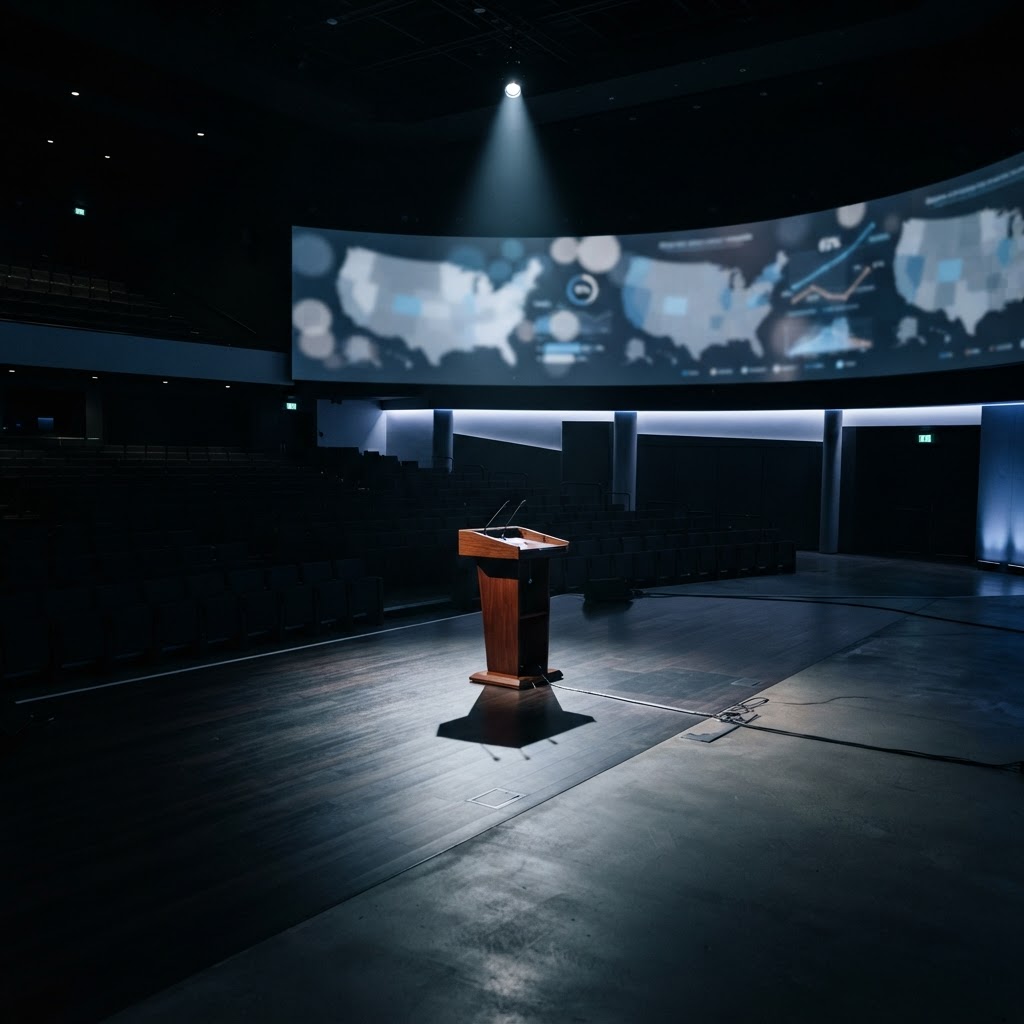
The 2026 US election exemplifies how performative governance sustains the illusion of democracy. It’s a spectacle driven by money, spectacle, and systemic inertia—leaving real change out of reach.
You thought the 2026 midterm elections were a turning point? Think again. If anything, they reveal how hollow our democracy has become—a spectacle more than a system of genuine change. We’ve got more retirements than ever before, billions spent, and a political climate so polarized it’s bordering on theatrical. But underlying all of this? A cycle that feeds itself, kindling the illusion that voting still makes a difference.
Talking Points: political cycles are cyclical, the myth of decisive change, electoral momentum illusions
People love to talk about elections as moments of rebirth or collapse. Sorry, but that’s often just noise. Usually, midterms follow predictable patterns. The party in power loses seats—it’s practically a tradition. This election won’t be the apocalypse or the salvation; it’s another chapter in an ongoing show. Political momentum? More like a well-rehearsed routine, feeding into voter apathy.
Talking Points: candidate messaging as spectacle, emotional appeals over policy, media’s role in shaping perceptions
Watching campaigns unfold is often like tuning into a reality show. Promises are rehearsed lines, designed to hit emotional notes rather than lay out tangible plans. Candidates deploy soundbites, slogans, and spectacle—anything to win fleeting attention. The media? They’re not watchdogs anymore but amplifiers of this theatrical dance. Real policy? That takes a backseat.
Talking Points: influence of campaign finance, special interest groups, dark money
Follow the money, right? What’s stunning is how little that has changed. Super PACs, dark money, and endless lobbyist influence swamp the narrative. Campaign finance reform? It’s a joke. The shift in who actually benefits from this chaos is clear: the wealthy and the corporations pulling strings behind the curtain.
Talking Points: binary options, entrenched party loyalty, systemic barriers to third parties
Choose between two options, repeat. Polarization creates a binary battlefield, intense and unmovable. Meanwhile, third-party voices are muffled by gerrymandering and voting rules designed to keep the status quo. The choices aren’t choices—they are illusions to maintain control.
Talking Points: disengagement driven by cynicism, systemic barriers, false hope through voting
Voter turnout sits at historic lows, and why? Cynicism and frustration. Who wants to vote for a system that’s rigged? Systemic barriers—registration hurdles, complicated ballots—make staying disengaged easy. Voting feels like tossing a coin into a wishing well with no hope of change.
Talking Points: behind-the-scenes negotiations, bipartisan gridlock, legislative deadlock
What really happens after the cameras turn off? Behind closed doors, deals are struck. What we see on the floors of Congress is often just theater—time-wasting, finger-pointing, all while real decisions are made in whispers. Gridlock is the official policy.
Talking Points: media narratives as propaganda, selective coverage, creating false urgency
The media’s job? Keep us hooked. They amplify certain stories while ignoring the ones that threaten the status quo. The narrative of chaos and crisis is manufactured—meant to distract us from the real power plays happening behind the scenes.
Talking Points: distrust in institutions, systemic corruption, reforms that never happen
Trust in institutions? It’s a thin veneer. Corruption, inertia, and reforms that never materialize keep the machine humming. Without systemic overhaul, this cycle of performative governance rolls on, no matter who officially wins.
Talking Points: cyclical power shifts, entrenched interests, systemic inertia
A change of faces at the top? It’s largely cosmetic. The institutions, the money, and the interests driving policy remain. The cycle of election and disillusionment just keeps turning, feeding on itself, with no real chance for genuine reform.
Elections are meant to change things. But what they really do? They perpetuate the illusion. True power lies elsewhere—behind the curtain, in backroom deals, in interests that don’t care who sits in office. Recognizing this pattern is the first step. Now, what will you do with that knowledge?
Drop your thoughts below. Have you seen this cycle play out firsthand? Or maybe you’ve got ideas on how to break free from the spectacle. Share. Talk hard. We need honest conversations for real change.
—
Q1: Why do midterm elections tend to favor the opposition party?
A1: Because voters often punish the president’s party for stagnation or dissatisfaction. It’s a familiar pattern rooted in voter frustration.
Q2: How does campaign finance influence election outcomes?
A2: Big money often translates into greater influence. The more funds campaigns raise, the more sway special interests have over candidates.
Q3: Are third-party candidates truly viable in the current system?
A3: Not really. Barriers like gerrymandering and restrictive voting laws keep third parties marginalized.
Q4: Can voter turnout really be increased through reforms?
A4: Reforms can help, but unless systemic issues like disillusionment and systemic barriers are addressed, turnout will stay low.
Q5: What can citizens do to challenge this performative cycle?
A5: Stay informed, support structural reforms, participate in grassroots movements, and demand transparency and accountability beyond just voting.