








Newsletter Subscribe
Join thousands of readers who get our Sunday Briefing: one email, five essential stories, zero fluff. Subscribe NOW!

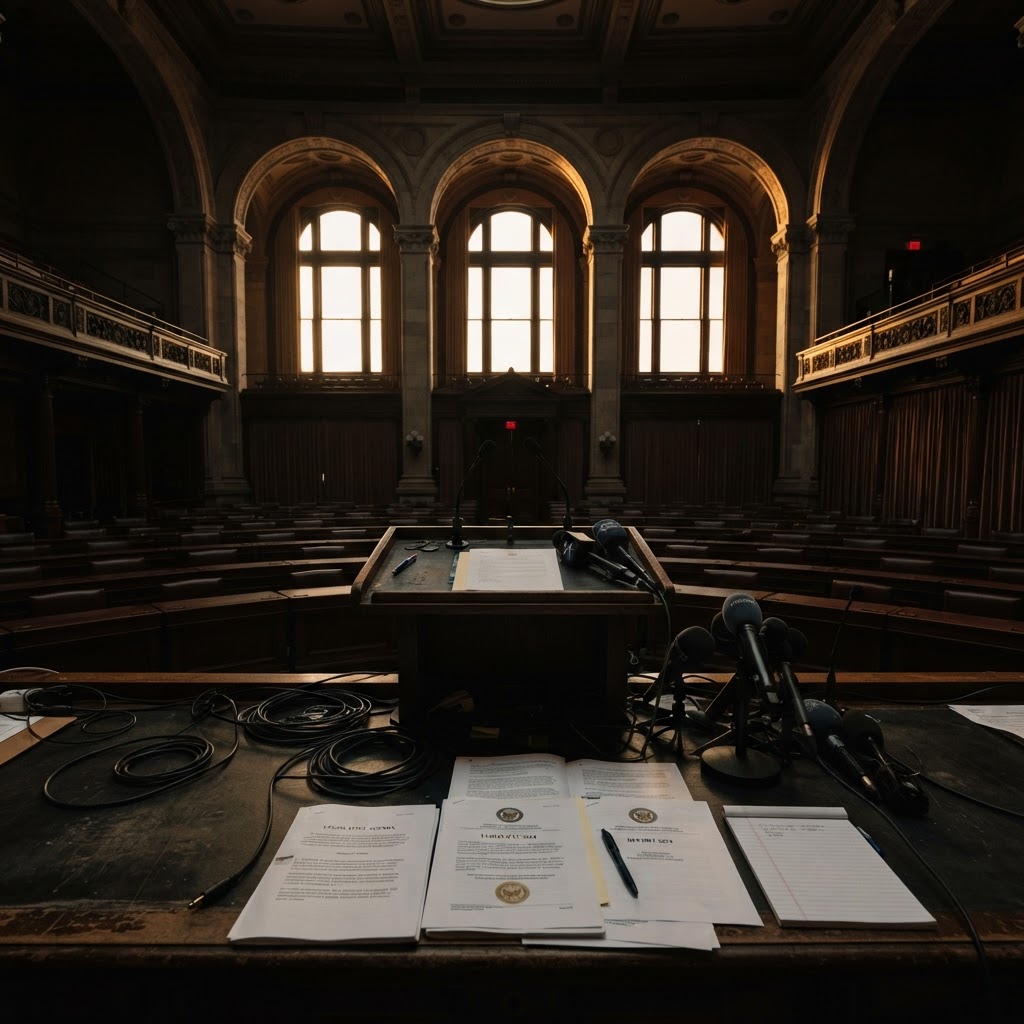
I have spent decades watching Washington, and the current mess is not just business as usual. It is a calculated transformation of how things get done, or more accurately, how things get stopped. Understanding the MAGA caucus requires peeling back the performative layers to see the cold, tactical machinery at work.
Thirty-two percent of Americans now get their political news from social media. That number scares me. It means we are letting algorithms feed us anger instead of reality. I have spent decades watching Washington, and the current mess is not just business as usual. It is a calculated transformation of how things get done, or more accurately, how things get stopped.
Talking Points:
* The 2015 origins of the House Freedom Caucus.
* Secretive membership structures.
* The distinction between institutional discipline and populist passion.
People think the House Freedom Caucus is just a collection of rowdy individuals. It is not. It was built in 2015 with a blueprint for operational discipline that would make a corporate board proud. They do not publish their membership lists, which keeps everyone guessing and keeps the pressure on leadership. I remember trying to get a straight answer from a staffer about a specific vote once; the look of sheer terror on their face told me everything I needed to know about the internal loyalty required.
They function more like a disciplined insurgency than a political party wing. By keeping their roster private, they maintain a level of mystery that translates into outsized influence. It is a smart, cold, and effective way to hold power. When you do not know who is in the room, you cannot easily identify the weak links.
Talking Points:
* Using procedural tools to halt bills.
* The power of the razor-thin majority.
* Weaponizing budget processes.
I have seen plenty of procedural fights, but these folks treat a must-pass spending bill like a hostage situation. They know exactly how much pain they can inflict on the leadership before the whole house of cards collapses. With a razor-thin majority, their leverage is not just potential; it is absolute.
They do not just vote no. They stop the clock. They force votes on amendments that have zero chance of passing, just to make their colleagues look bad on the record. It is exhausting to watch from the press gallery, but it is a masterclass in using the rules to break the system.
Talking Points:
* Calculating the cost of obstruction.
* Forcing concessions through delay.
* The public perception of legislative gridlock.
Calling this all performative is lazy. It ignores the fact that these moves often force the other side to actually talk about things they would rather ignore. Sure, some of the speeches on the floor are for the cameras, but the quiet conversations in the hallways are where the real work happens. They are trading votes for policy shifts that their base demands.
I get frustrated when I see people dismiss it as just theater. That gives the opposition an easy way out. If you think it is just a show, you miss the tactical reality that they are winning ground on specific agenda items. They are playing for keeps, even when it looks like they are just making a scene.
Talking Points:
* The rise of Trump aligned representatives.
* Challenges to traditional party leadership.
* The ripple effects of primary threats.
The days of party elders telling the rank-and-file what to do are over. We have seen speakers like John Boehner and Kevin McCarthy lose their jobs, and that is no accident. It is a clear message: leadership serves the caucus, not the other way around.
This shift creates a weird dynamic where seniority matters less than viral moments. You can be a freshman and have more pull than a committee chair if your social media engagement is high enough. It is a total reversal of the old school model, and frankly, it is creating a lot of nervous people in the marble hallways.
Talking Points:
* How small-dollar donations drive agendas.
* Reducing dependence on traditional PACs.
* The cycle of donor-member feedback.
Money follows the outrage, and these representatives know it. They are not waiting for big institutional donors to cut checks. They are building massive email lists and firing off fundraising pleas every time a bill is stalled. It creates a feedback loop where the more they fight, the more they raise.
It makes them immune to traditional party pressure. If a leader tries to punish them, they just raise more money from the base as a martyr for the cause. I have seen enough campaigns to know that when you control your own cash flow, you stop caring about what the party boss thinks.
Talking Points:
* Defining legislative success versus media success.
* The long-term impact on governance.
* Balancing policy wins with political identity.
Here is the cynical truth: the brand is the product. When you focus on building a name for yourself, the actual passage of laws becomes secondary to the win of the news cycle. It is a dangerous game for the country, but a very successful one for the individual.
Are they getting what they want? Sometimes. But the cost is a total lack of long-term planning. When you are always reacting to the next crisis, you never actually steer the ship anywhere. It is just constant churning of the water.
Talking Points:
* Preparing for the next budget cycle.
* Monitoring shifts in primary challengers.
* Tracking legislative agenda pivots.
Watch the spending fights. They are the bellwether for everything else. If the caucus decides to push for a shutdown, you will know exactly how much they fear their own primary voters. Keep an eye on who is being challenged and where the money is flowing.
If you want to know what is coming next, ignore the press releases. Look at the procedural votes and the committee assignments. That is where the real signals are buried.
Talking Points:
* Filtering out the partisan noise.
* Relying on primary sources like the Congressional Record.
* Spotting the difference between coverage and commentary.
Stop clicking on headlines that make your blood boil. That is how they get you. I make it a point to read the actual text of the bills rather than the tweets about them, and it changes my perspective every time. It is harder, but it is the only way to stay sane.
Be skeptical of everything. If a story sounds too perfect, it is probably being fed to you by someone who wants to stir the pot. Verify it yourself, or do not share it at all.
We have to stop accepting the theater as if it were the whole story. The system is flawed, but it only works if we pay attention to the actual mechanisms instead of the noise. Start looking at the roll calls. Track the money. Read the fine print of the amendments.
This is a challenge for you to stop being a passive consumer of political drama. If you find a specific tactic that seems to actually hold people accountable, share your observations in the comments below. Let us stop reacting and start analyzing.