







Newsletter Subscribe
Join thousands of readers who get our Sunday Briefing: one email, five essential stories, zero fluff. Subscribe NOW!

Progressive political activism in 2026 remains trapped in a cycle of performative optics and institutional co-option. With protest volume hitting record highs, why are we seeing zero real policy shifts?
Talking Points:
* The 77% surge in 2025 protest volume.
* The fatigue of repetitive street cycles.
* Why 8 million people in the streets haven’t moved the needle.
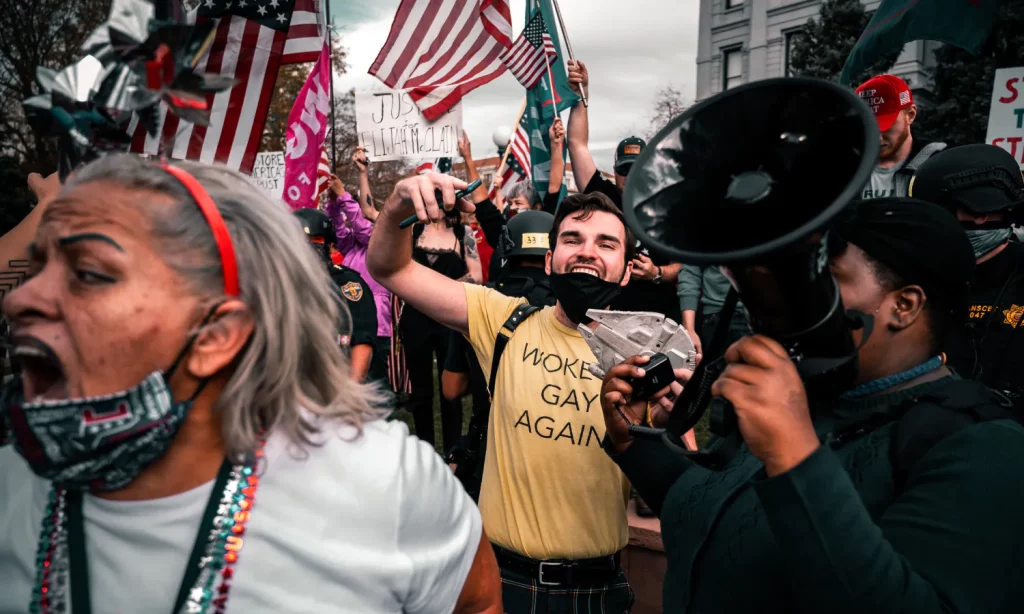
I remember my first real protest. It felt like history was shifting beneath my boots. But standing on the pavement in 2026, watching another mass gathering, that feeling is gone. We saw nearly 20,000 demonstrations in 2025 alone. That is a 77% jump from the year prior. Yet, here we are, still shouting at the same brick walls.
Eight million people showed up for the ‘No Kings’ protests. It looked massive on screen. It felt electric in person. But policy doesn’t move just because your feet hurt. We are stuck in a loop of performative optics. It is exhausting to watch.
Talking Points:
* Social media as a hollow echo chamber.
* The slacktivism gap between clicks and laws.
* Why trending hashtags offer zero policy insulation.
I used to think Twitter, or whatever we call the digital cesspool now, was the modern town square. I was wrong. Digital platforms are built to reward noise, not wisdom. Your viral post feels like a win. It is not.
We suffer from a massive slacktivism gap. A million likes for a social justice framework post equals zero bills passed. Digital engagement acts like a sedative. You feel like you did your part because you shared a graphic. The system loves this. It keeps you occupied while nothing changes.
Talking Points:
* How non-profits dilute radical goals.
* The professionalization of dissent.
* Institutional gatekeeping in the modern era.
Big organizations have turned progress into a business model. They need your recurring donations more than they need your radical spirit. I have seen countless grassroots groups get swallowed by larger, donor-funded NGOs. They trade teeth for funding.
This is classic institutional gatekeeping. Once a movement gets a board of directors, it loses its edge. They start worrying about brand safety. A real movement shouldn’t worry about being polite. It should worry about being effective.
Talking Points:
* Why identity-first politics stalls class solidarity.
* The failure of symbolic legislative wins.
* Escaping the echo chamber of slogans.
We spend too much time polishing our political identity. We wear it like a uniform. It feels good to belong to a tribe. It feels terrible when that tribe refuses to address actual material conditions.
Identity-first branding is a trap. It lets politicians offer us symbols instead of structural change. They know we will settle for a symbolic victory. They count on us ignoring the fine print of the policy they just sold us.
Talking Points:
* Why campaign finance reform stays out of reach.
* The Democratic Party’s capture of leftward energy.
* Radical change versus institutional co-option.
I have spent decades watching grassroots movements get funneled into the Democratic machine. It is a one-way street. You put your energy in, and you get a polite ‘thank you’ at the ballot box. Then the same donors get the same policies.
We need to stop waiting for permission from the party. The party is the problem. They view us as a demographic to be managed. Not as constituents to be served.
Talking Points:
* Rising threat assessments against lawmakers.
* Increased use of less-lethal munitions.
* The state’s response to persistent protest.
It is getting dangerous out there. Police used less-lethal munitions in over 22% of protests last year. Threat assessment cases against Congress members rose 58% in a single year. The temperature is redlining.
The authorities aren’t just watching; they are pushing back. They understand that if you hit people often enough, they go home. They are counting on us choosing safety over change. Will we blink?
Talking Points:
* Why ‘Leftward Progressives’ remain unsatisfied.
* The gap between platform and reality.
* Abandoning the hope for institutional capture.
Eighty-three percent of us call ourselves liberal. Half say we are very liberal. Yet, we are the most miserable cohort in the country. We are deeply engaged but perpetually ignored.
The institutional capture strategy is failing. You cannot capture an institution that was built to keep you out. We are chasing a mirage. It is time to admit that the current progressive policy playbook is broken.
Talking Points:
* How the press frames protest as disturbance.
* Creating the illusion of progress.
* The role of media in systemic inertia.
Have you noticed how they talk about us on the news? It is never about the policy failure. It is about the ‘disruption’ of the protest. They frame the act of dissent as the primary issue.
They manufacture consent for the status quo by ignoring the root cause. If they acknowledge why we are mad, they have to acknowledge the system is failing. They don’t do that. It is bad for business.
Talking Points:
* Replacing outrage with measurable goals.
* Why civic engagement needs a total rethink.
* Shifting from protest to counter-hegemony.
I am tired of performative outrage. Outrage is a cheap currency. We need to start thinking about power in terms of leverage. Can we withhold labor? Can we build parallel institutions?
Real disruption is boring. It is planning, organizing, and sustaining pressure. It is not waiting for a viral moment. We have to build something that doesn’t rely on the current system’s blessing.
Progressive political activism in 2026 is at a dead end. We are spinning wheels in a mud pit of our own design. Real disruption requires us to stop mimicking the habits of the powerful. It requires us to abandon the hope that the system will save itself.
It is time to build independent alternatives. Are you ready to stop protesting and start building? Share your thoughts below. I want to know if you are as fed up as I am.
It is called slacktivism because it focuses on low-effort visibility rather than high-effort policy impact. Clicking a button creates a sense of accomplishment without forcing the underlying systemic change needed to solve the problem.
No. The evidence shows a persistent, structural crisis of trust. People are not just venting; they are reacting to a permanent decline in institutional performance that has been building for years.
It looks like radical movements being absorbed by big non-profits or political parties. These entities trade the movement’s radical demands for incremental, safe policy tweaks that preserve the existing power structure.
It narrows the focus to symbolic battles that don’t change material reality. By centering politics on identity, movements become easier for corporate and political elites to manage or dismiss through pandering.
Protest asks the existing power structure for change. Counter-hegemony involves building alternative structures that operate outside that power, making the current system obsolete rather than just asking it to be nicer.