

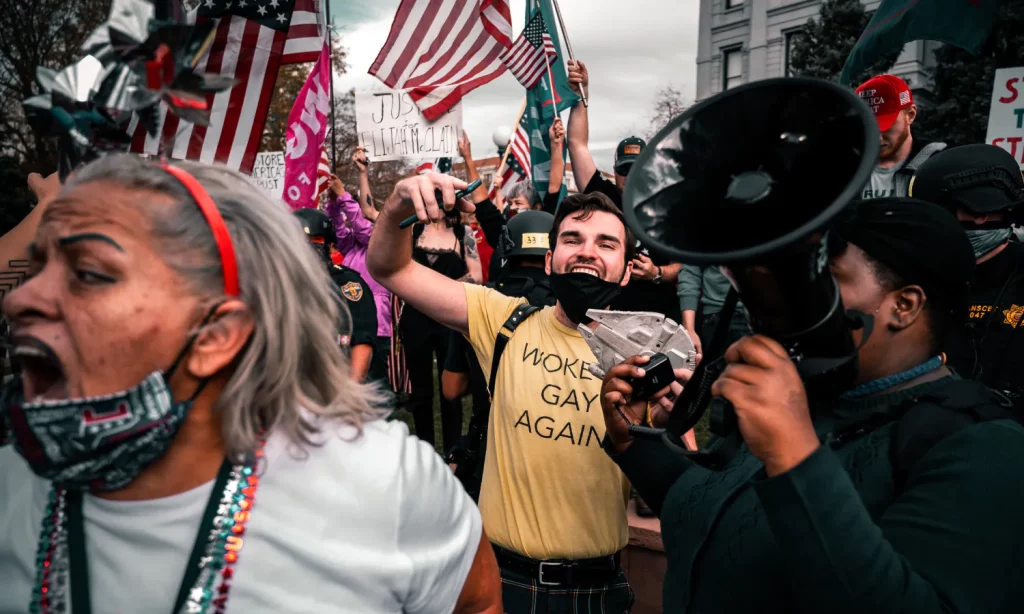






Grassroots Political Activism: Why Your Hashtag Activism Fails

Grassroots political activism isn't about viral posts; it's about the grit of local organizing. Discover why your hashtag activism is failing and how you can start doing the real work that forces actual change.


Share your love

Grassroots Political Activism: Why Your Hashtag Activism Is Failing (And What Actually Works) ## The Illusion of Impact Talking Points: The failure of performative digital trends, why likes don’t equal laws, the difference between clicks and change. I once spent a whole week posting about a local library budget crisis. I got thousands of shares and hundreds of heart emojis. The city council cut the budget anyway. That moment hit me like a brick wall. Most of us think clicking a share button counts as civic participation. It does not. It is just vanity fuel for the platform algorithms. We confuse performative signals with actual political change vs slacktivism. Real progress rarely goes viral. It happens in quiet rooms with uncomfortable people. ## Defining Grassroots: The Real Work Talking Points: What bottom-up political movements look like, why the term is overused, the grit of local presence. Grassroots political activism is not about a flashy social media campaign. It is about human relationships built on trust. You need to look someone in the eye to build a movement. Real organizing is messy, slow, and demands your physical presence. It is not something you do from a couch with a phone. Bottom-up political movements require showing up at 7 PM on a Tuesday. You sit in a folding chair and listen to people you might disagree with. That is the cost of entry. ## The Architecture of Apathy Talking Points: How systems neutralize dissent, the myth of systemic inertia, co-opting energy. The system is built to survive your outrage. It waits for the noise to die down. Then it goes back to business as usual. This systemic inertia is a feature, not a bug. They want you tired. They want you thinking your singular post mattered. When we stop at hashtags, we let the bureaucracy win. We have to be more stubborn than the status quo. ## The Myth of the Lone Hero Talking Points: Why singular leaders are distractions, the reality of collective endurance, the power of numbers. We love a charismatic figurehead. We want a savior to fix things for us. History shows that is a lie. Change is driven by thousands of anonymous, tired, frustrated people. You are one of those people. Success comes when groups sustain pressure over years. Forget the hero. Be the mortar that holds the bricks together. ## Community Infrastructure vs. Clicktivism Talking Points: Building neighborhood councils, why local organizing beats viral threads, civic infrastructure basics. Start with your block. Go to the school board meetings. These are the foundations of effective civic engagement. You learn power dynamics by watching how local permits get signed. A viral thread disappears in a day. A neighborhood council lasts for decades. You build civic infrastructure by doing the boring, unsexy paperwork. It works. ## Gatekeepers and Grifters Talking Points: The non-profit industrial complex, how funding kills radical goals, professionalized advocacy. There are over 1.5 million tax-exempt organizations in this country. Many act as professional gatekeepers. They take your donation and manage the dissent. They are often legally restricted from pushing for big changes. This is the non-profit industrial complex at work. It creates a ceiling for your ambition. Be careful who you trust with your movement energy. ## The Price of Admission Talking Points: Time and labor, the risk of burnout, why real work is inconvenient. Organizing takes your time. It takes your weekends. It might even cost you your reputation in some circles. If you want systemic reform, you pay in sweat. There are no shortcuts here. You have to endure the boredom of long meetings. You have to deal with bureaucratic resistance. That is the price for real-world political impact. ## Strategy Over Sentiment Talking Points: Moving past moral superiority, forcing systemic concessions, tactical thinking. I used to think being right was enough. I was wrong. You need a strategy to force a hand. Moral posturing makes you feel good. It does not move a legislator. You need to leverage numbers and consistent pressure. Figure out who holds the power and find the weak spot. Then push until something breaks. ## The Long Game Talking Points: Accepting the slow pace, why you should do it anyway, the value of incrementalism. Change happens in inches. It takes years of consistent, grinding effort. People get bored and leave. Those who stay eventually win. You do it because the alternative is a total surrender. This is not about one election cycle. It is about building a better reality piece by piece. Stay in the game. ## Get Dirty or Stay Home Talking Points: The 3.5 percent rule, a challenge to the reader, moving to tangible action. It only takes about 3.5 percent of the population to force real shifts. You don’t need everyone. You just need enough committed souls. Stop posting. Start organizing. Get off the internet and into the community. If you aren’t willing to get dirty, you aren’t really in the fight. I’m tired of talking. I want to see you working. ## Frequently Asked Questions Question: How do I start building community infrastructure? Answer: Show up at city council meetings, join your local neighborhood association, and start talking to your neighbors about specific, local problems like trash, safety, or zoning issues. Question: Is there any value in digital activism? Answer: It works for raising quick money or awareness, but it fails to build the long-term, sustained pressure needed for deep systemic change. Question: Why does the non-profit industrial complex limit radical change? Answer: Many non-profits rely on funding and tax status that prohibit them from lobbying for major political overhauls, forcing them to remain within safe, status-quo boundaries. Question: How can 3.5 percent of the population make such a huge difference? Answer: When 3.5 percent of a population actively commits to sustained, nonviolent action, they shift public opinion and force systems to address their demands to maintain stability. Question: What is the biggest mistake new activists make? Answer: Thinking that a single post or one-time protest will trigger immediate change without putting in the years of boring, day-to-day administrative work required to hold power accountable.

Împărtășește-ți dragostea
TACEngine
TACEngine
Articole: 407

Lasă un răspuns

Join thousands of readers who get our Sunday Briefing: one email, five essential stories, zero fluff, subscribe now!