


Newsletter Subscribe
Join thousands of readers who get our Sunday Briefing: one email, five essential stories, zero fluff. Subscribe NOW!
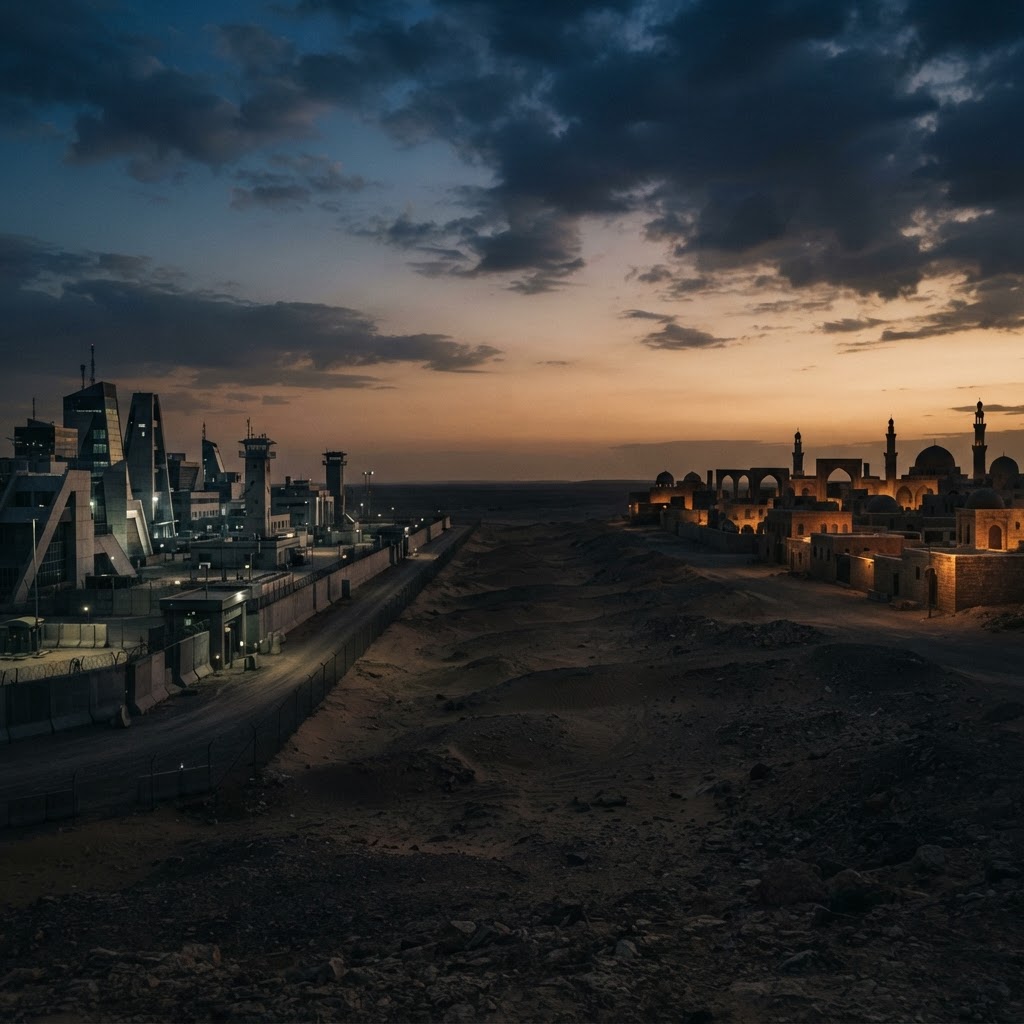
The Islamabad Memorandum is dead, and the U.S.-Iran conflict has settled into a grinding, permanent failure. We are paying the price in blood, cash, and economic stability.
Talking Points:
* The expiration of the Islamabad Memorandum
* Six months of Operation Epic Fury
* Misguided faith in diplomatic progress
Eighteen flag-draped coffins. That is the butcher’s bill since February 2026. My desk is covered in reports that smell like dry ink and failed hope. The U.S.-Iran conflict status August 2026 is not a situation. It is a disaster. We were promised a quick stabilization after Operation Epic Fury, but here we sit. The blood is real and the strategic gains are invisible. I remember when experts claimed this would end in weeks. They lied or they were fools.
Talking Points:
* Breakdown of the Islamabad framework
* Why negotiators ignored the writing on the wall
* The shift toward open hostility
The Islamabad Memorandum collapse was not a tragedy. It was an inevitability. On August 17, 2026, the deal simply died. Nobody blinked. Diplomats kept acting like a signed piece of paper could halt the IRGC strategic objectives. That was their biggest mistake. They thought the regime wanted peace. The regime just wanted to buy time. Now, the mask is off. Senior Iranian officials have stopped pretending. They are now moving toward a fully offensive posture. The ceasefire violations have become the default setting for every interaction.
Talking Points:
* Control of the shipping lanes
* Threats to the global economy
* U.S. territorial rhetoric
Look at the Strait of Hormuz shipping crisis right now. It is a chokehold on every wallet on this planet. President Trump called for declaring the waterway U.S. territory. That sounds tough. It also sounds like a recipe for a naval nightmare. Brent crude hit $91.14 per barrel this week. Every time a projectile hits a tanker, your gas bill goes up. The maritime blockade is not just a military tactic. It is an economic tax on the world. We are watching energy market volatility happen in real-time. It is a damn mess.
Talking Points:
* Internal power struggles in Tehran
* How factionalism prevents real talks
* Why the Supreme National Security Council is deadlocked
Internal Iranian regime factionalism is a black hole. Nothing gets out. Everything gets consumed by infighting. You think there is one person in charge? Think again. The Supreme National Security Council is a graveyard of ideas. One side wants to keep the proxy network escalation alive. Another group pretends to want a diplomatic stalemate. It is all a show. They use this division to keep the U.S. guessing. It works. The U.S. has no clear target to hit or deal with.
Talking Points:
* Failure of the containment strategy
* Cost of current military operations
* Resource depletion in the U.S. military
The U.S. military operations Iran strategy is just burning cash. We have spent $37 billion already. That is just the start. The Pentagon is begging for $67 billion more. My local grocery store has better budget management than this. We have burned through 23% of our Patriot missiles. We have blown through 50% of our long-range interceptors. For what? We are holding onto a status quo that is actively killing us. This is not containment. It is an expensive surrender to exhaustion.
Talking Points:
* IRGC goals beyond simple tit-for-tat
* The danger of proxy groups
* Regional instability spreading
The IRGC strategic objectives are not about winning a war in the traditional sense. They want a regional security architecture that favors them. They achieve this through a constant drip-feed of conflict. Regional proxy networks are the tools. They do the dying and the killing. The risk of unintended escalation is off the charts. All it takes is one stray missile hitting a carrier. We are walking on broken glass.
Talking Points:
* Oil price volatility
* Inflationary pressure on the U.S.
* The long-term economic bleed
Oil export restrictions are the new reality. We are trying to starve them of cash. Instead, we are starving ourselves of stable prices. Energy market volatility is the new normal. Every time the U.S. tries to tighten the screw, the global economy screams. I see families struggling to pay rent. Meanwhile, our policy makers talk about grand strategy. They are completely out of touch.
Talking Points:
* Deconstructing the latest failed talks
* The lack of a diplomatic path
* Why we must accept the current state
The myth of a diplomatic breakthrough is poison. It keeps people hoping for an exit that does not exist. There is no negotiator in the world who can fix this now. The sides are too far apart. One wants total dominance. The other wants complete removal of the regime. Those are not positions that lead to a compromise. They lead to a long-term, low-intensity war. We better get used to the sound of sirens.
Talking Points:
* The reality of a frozen conflict
* Why short-term thinking is dangerous
* Preparing for a long war
We need to stop expecting a miracle. The U.S. Iran conflict status August 2026 is a grim, permanent fact. We have reached a point where the cost of winning is too high. The cost of leaving is too dangerous. So we sit in the middle and bleed. It is a pathetic position to be in. We did this to ourselves by overextending and underserving our goals.
Talking Points:
* Acceptance of the new reality
* Personal vigilance in uncertain times
* Invitation to readers to share views
We are in a long-term, low-intensity war. That is the ugly truth that no politician wants to say out loud. You need to prepare your own life for sustained chaos. Inflation is not leaving. Instability is here to stay. Adjust your expectations. I have spent my career watching these messes unfold. The only way to survive is to be honest about the disaster. Tell me what you see in your own communities. Is the price of gas the only way you feel this? Leave your thoughts below. I want to hear how this is hitting home for you.