

Newsletter Subscribe
Join thousands of readers who get our Sunday Briefing: one email, five essential stories, zero fluff. Subscribe NOW!
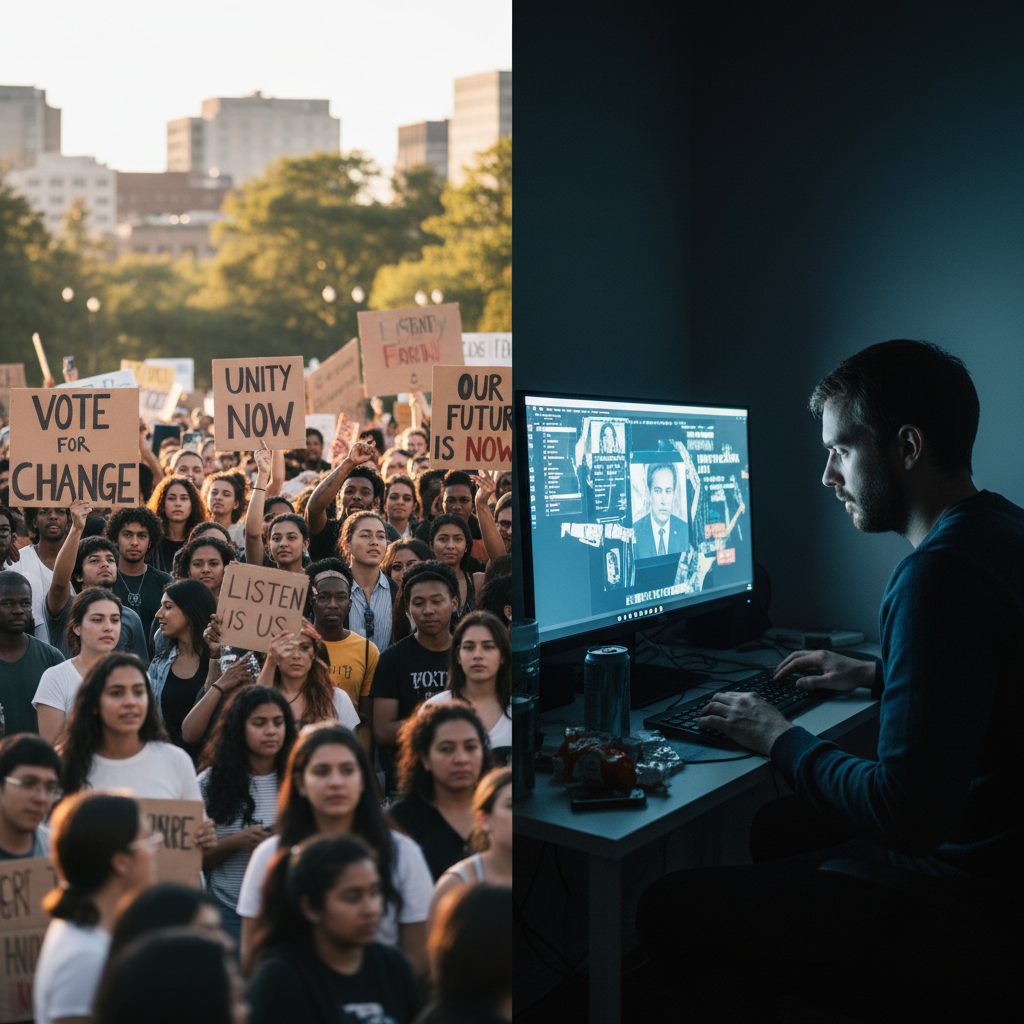
The rise of political videos in today's media landscape has ushered in a new era of influence and manipulation. This article explores the power and perils of political videos, dissecting their impact on public opinion, misinformation, and ethics.
Introduction
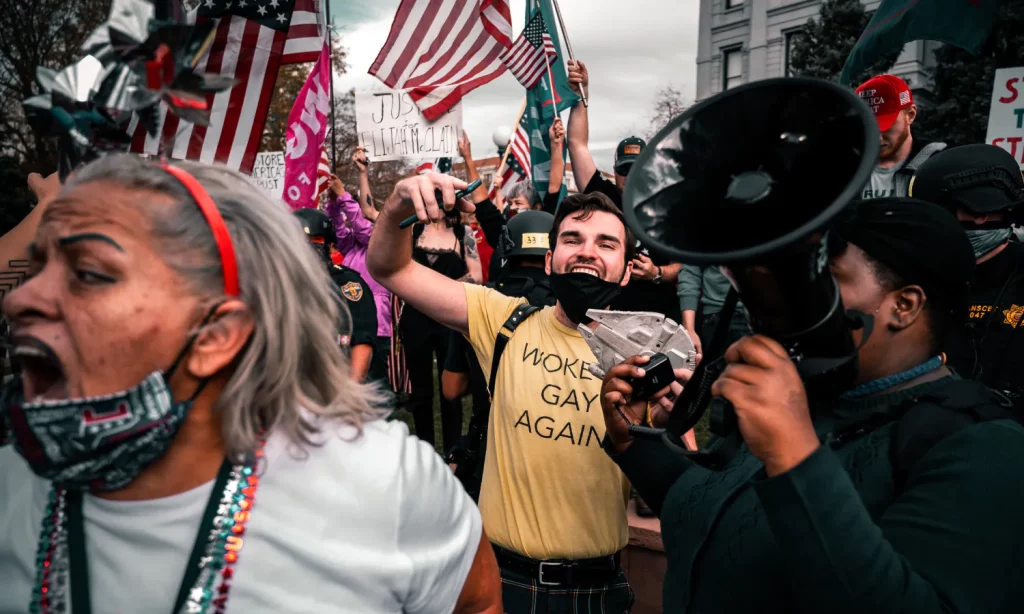
I still remember watching that video of the protests in 2020. I thought it was just another clip on social media, but it turned into a pivotal moment for me. Almost 88% of Americans have also encountered such videos, particularly those highlighting police violence against Black individuals. This alarming statistic emphasizes how deeply integrated political videos are in our daily lives. They shape our views, challenge our beliefs, and often ignite firestorms of debate. But with great visibility comes even greater responsibility. Today, we will journey through the complex web of political videos, dissecting their impact and acknowledging their underlying dangers.
Talking Points:
There’s no denying that political videos hold a colossal presence on platforms like Facebook, Twitter, and TikTok. In 2020 alone, I couldn’t scroll through my feed without stumbling upon clips that either criticized or praised candidates. These short pieces of content have become a primary source of information for many. They’re quick, digestible, and, let’s face it, hard to ignore. Yet, this raises a crucial question: Is our attentive consumption promoting an informed electorate or just breeding bias and division?
With the tap of a finger, a political video can reach millions. What’s concerning is how these videos influence political discourse. They can propel individuals into action or push others away from informed debate altogether. The attention-grabbing nature of video content is a double-edged sword. While it can inspire activism, it can just as easily stoke the flames of misinformation.
Talking Points:
There’s often more happening behind the scenes than we realize. Today’s political videos don’t just appear—they’re crafted with intention. From dramatic cuts to selective framing, the artistry behind a political video can significantly shape viewers’ interpretation. Just think about the last time you watched a clip that had you fired up. Chances are, editing played a crucial role in how that video influenced your emotions.
Also, consider the algorithms that drive our social media feeds. These algorithms reward sensationalism, prioritizing videos that generate engagement over those that promote thoughtful discussions. We end up caught in an echo chamber, where we see what aligns with our beliefs—thus deepening divides instead of bridging gaps.
Talking Points:
Research shows that short, impactful videos can sway opinions, often more effectively than mere text. One 2021 study from MIT highlighted that while videos are moderately more persuasive in spreading misinformation, they carry weight nonetheless. That’s where things get tricky.
In our fast-paced digital landscape, a well-edited clip can persuade a viewer faster than they can read a lengthy article. We saw this play out dramatically in the recent elections where a single video clip influenced public perception of candidates and issues overnight. The stakes couldn’t be higher! But who’s monitoring the accuracy of that content?
Talking Points:
Then there’s manipulation. I think back to that infamous 2019 manipulated video of House Speaker Nancy Pelosi. Facebook acknowledged it was altered but chose not to remove it since it “didn’t violate their policies.” This incident illuminates a pervasive issue: who’s responsible for ensuring political video integrity?
Deepfakes are another layer of this murky ocean. In 2024, bogus videos surfaced showing mail-in ballots being destroyed, igniting panic and confusion, only to be debunked hours later. Such incidents fracture trust in our electoral processes, which could have far-reaching implications. The ethical chasm in the production and sharing of political videos appears to deepen daily.
Talking Points:
We can’t ignore historical context. The political landscape has seen transformative moments powered by adept video use. The Obama campaign’s 2008 breakthrough engagement with grassroots movements showcased how effective video content could be. Fast forward to today, and candidates understand this notion better than ever.
Take the 2016 elections—videos circulated on social media not only championed candidates but also spread misinformation that warped public perception. Ultimately, these videos don’t just influence public opinion; they can alter the course of history.
Talking Points:
When I create content, I grapple with the ethical implications of my work daily. What about the producers of political videos? Content creators wield an immense responsibility to ensure honesty in their productions. But let’s be real: Who holds them accountable? Often, political videos lack transparency, leading to a tangled mess of truths and lies.
The ethics of political video creation should demand high standards, especially as misinformation continues to grow. If we want to encourage political engagement built on informed decision-making, we must navigate these murky waters responsibly.
Talking Points:
With all these complications, how do we combat the tide of misinformation? The first step is developing a strong foundation in media literacy. Here’s a tip: don’t take every video at face value. Learn to ask critical questions before jumping to conclusions!
Educating ourselves on the nuances behind the creation and dissemination of these videos can help us form more balanced viewpoints. Numerous resources are available to aid in this endeavor, from online courses to workshops designed to enhance our critical thinking skills around political content.
As we wrap our heads around the complexities surrounding political videos, it becomes clearer that these tools serve a dual purpose. They have the power to enlighten and engage but can just as easily mislead and manipulate. The responsibility to approach these videos critically lies in our hands.
Let’s remember to apply what we’ve discussed today and navigate these turbulent waters carefully. Share your experiences or thoughts about political videos in the comments—let’s keep the conversation active!
1. What makes political videos influential?
Political videos engage viewers emotionally, making them more appealing than traditional media forms. Their quick consumption often shapes immediate public opinions.
2. How can misinformation in political videos be identified?
Look for sourcing, check for corroboration from reputable media outlets, and assess the video’s editing techniques. Awareness is your best defense against misinformation.
3. Why are deepfakes a concern in political videos?
Deepfakes can distort reality and mislead voters, severely undermining trust in credible political discourse and ultimately impacting democratic processes.
4. What responsibilities do social media platforms have regarding political videos?
Social media platforms need to enforce stricter guidelines and transparency regarding content moderation to minimize the spread of misinformation.
5. How can we promote media literacy about political videos?
Encouraging discussions, sharing resources about media literacy, and supporting educational programs focused on critical consumption can help boost public understanding of political content.