


Newsletter Subscribe
Join thousands of readers who get our Sunday Briefing: one email, five essential stories, zero fluff. Subscribe NOW!
Grassroots movements are the only real threat to the political status quo. Learn why traditional voting isn't enough and how to build authentic, independent power.
Talking Points:
Most folks believe their vote is the primary lever of control. That is a lie sold to keep us quiet. I learned this the hard way back in the nineties when I spent three years volunteering for a local candidate who promised reform. The moment he won, he changed. He started taking calls from corporate lobbyists instead of the neighbors who helped him win. It was a wake-up call.
Real power isn’t inside a booth. It sits with the institutions that profit from our current setup. Expecting the establishment to dismantle itself is a fool’s errand. We are fed a steady diet of incremental change. This keeps the status quo perfectly intact. If you want to change things, you stop looking at the ballot box.
Talking Points:
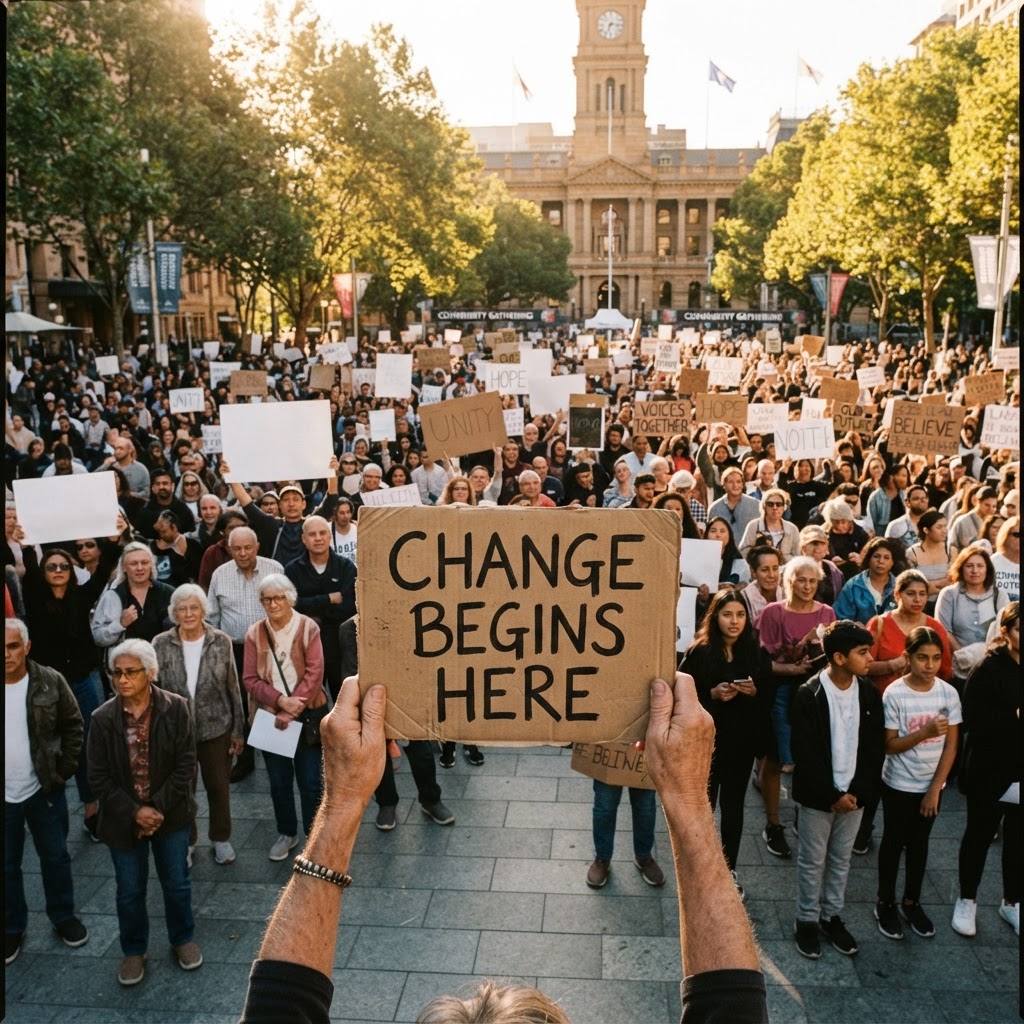
A real grassroots political movement is messy. It is a bottom-up approach where ordinary people unite to fix a problem. You see it when neighbors organize to stop a toxic site or demand cleaner water. It rarely starts with a press release. It starts with a conversation on a porch.
Corporate interests love to hijack this aesthetic. They create “astroturfing” campaigns to simulate public support for industry agendas. True movements lack those big budgets. They rely on sweat, time, and shared necessity. That is why they scare the people at the top.
Talking Points:
Have you noticed how your news feed works? It highlights outrage over structural critique. This serves a purpose. It keeps us fighting each other while the gears of corporate influence in politics keep turning. Real citizen-led policy reform threatens the bottom line of media conglomerates. They won’t cover it unless they can mock it.
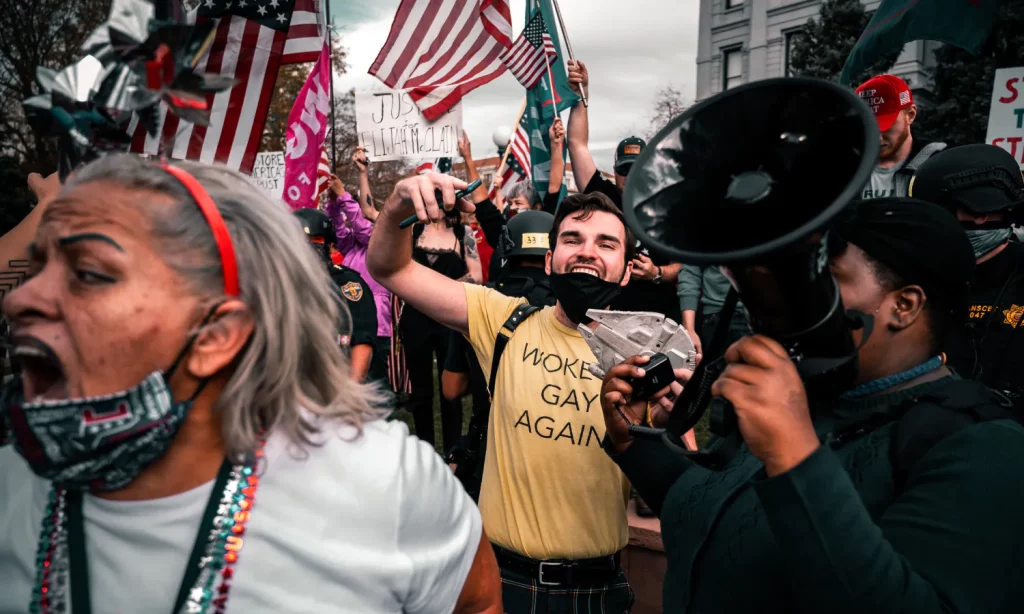
I remember covering a protest in my twenties that involved thousands of people. Not one major outlet mentioned it. They were too busy talking about a minor celebrity scandal. They make us feel alone. They want us to think we are a fringe minority. We are not.
Talking Points:
Systems are built to last. When you challenge them, they respond with specific tactics. They offer a compromise that changes nothing. They invite organizers to roundtables to drain their energy. It is a slow death for any movement. Institutional inertia is a hell of a weapon.
I’ve watched passionate activists get absorbed into the party machine. They walk in with fire in their eyes. They walk out with a paycheck and a compromised soul. You have to stay independent to keep your edge. Once you become part of the system, the system owns you.
Talking Points:
Money is the oxygen of politics. If you lack it, you are choking. Grassroots organizing challenges are grounded in this fact. Lobbying infrastructure is designed for the wealthy. It is not designed for a group of parents meeting in a church basement.
We need to get creative. We need to stop thinking we can beat them at their own game. Independent political movements don’t need million-dollar ad buys. They need people showing up. It is harder, but it is real. Don’t look for grants that come with strings. Look for community support.
Talking Points:
Activists get tired. I have hit the wall more times than I can count. When you fight a system that seems immovable, you start to doubt your efforts. Activist burnout is the greatest gift to the establishment. They know they can just wait you out.
We need to stop romanticizing the martyr complex. Take breaks. Share the load. A movement with one hero is a movement that breaks when that hero quits. Build a system where power is spread thin. It makes you harder to crush.
Talking Points:
Look at the M5S in Italy. Researchers tracked over 200,000 activities. They saw how local mobilization changed the political calculus. It proves that bottom-up political change works if you reach a critical mass. In 2025, seven activists won the Goldman Prize. They fought corporate power directly. They didn’t ask for permission. They stopped the machine with their bodies and their voices.
These weren’t politicians. They were people who saw a threat and acted. That is the blueprint. They focused on local results. They didn’t worry about the national headlines. Keep your targets small and your resolve large.
Talking Points:
Social media is a great tool for speed. It is a terrible tool for deep change. Digital communication helps you find people. It does not replace the work of door-to-door canvassing. You cannot build trust through a screen. You build it by looking someone in the eye.
Use the internet to organize the meet-up. Do the real work in the physical world. Do not mistake a trending hashtag for political impact. One person talking to a neighbor beats a thousand retweets. Every single time.
Talking Points:
Power is slippery. Even the best movements start to crave order. They build hierarchies. They lose the, “we are all in this together” vibe. Keep it flat. Keep it transparent. If you start hiding your internal workings, you are finished.
Stay skeptical of your own leaders. That is how you stay honest. The moment you stop questioning, you are just another faction waiting to be absorbed. The struggle is not a destination. It is a way of life.
Talking Points:
Don’t be an optimist. Optimism is for people who want to feel good. Be a realist. Realism demands that you see the system for what it is. It demands that you prepare for the losses. You will lose often. That is okay.
You are challenging an empire. Expect it to fight back. Stay sharp. Read the fine print. Question your own tactics. If something isn’t working, change it. Don’t cling to old habits just because they feel safe. The status quo is counting on your laziness. Deny them that.
Getting involved is your only defense against complete apathy. We have tools that our ancestors never had. We have the ability to connect and act outside of their rules. Go find your people. Start the conversation. Stop waiting for the next election to save you. You are the only one coming to your rescue. What are you going to do today?