








Newsletter Subscribe
Join thousands of readers who get our Sunday Briefing: one email, five essential stories, zero fluff. Subscribe NOW!

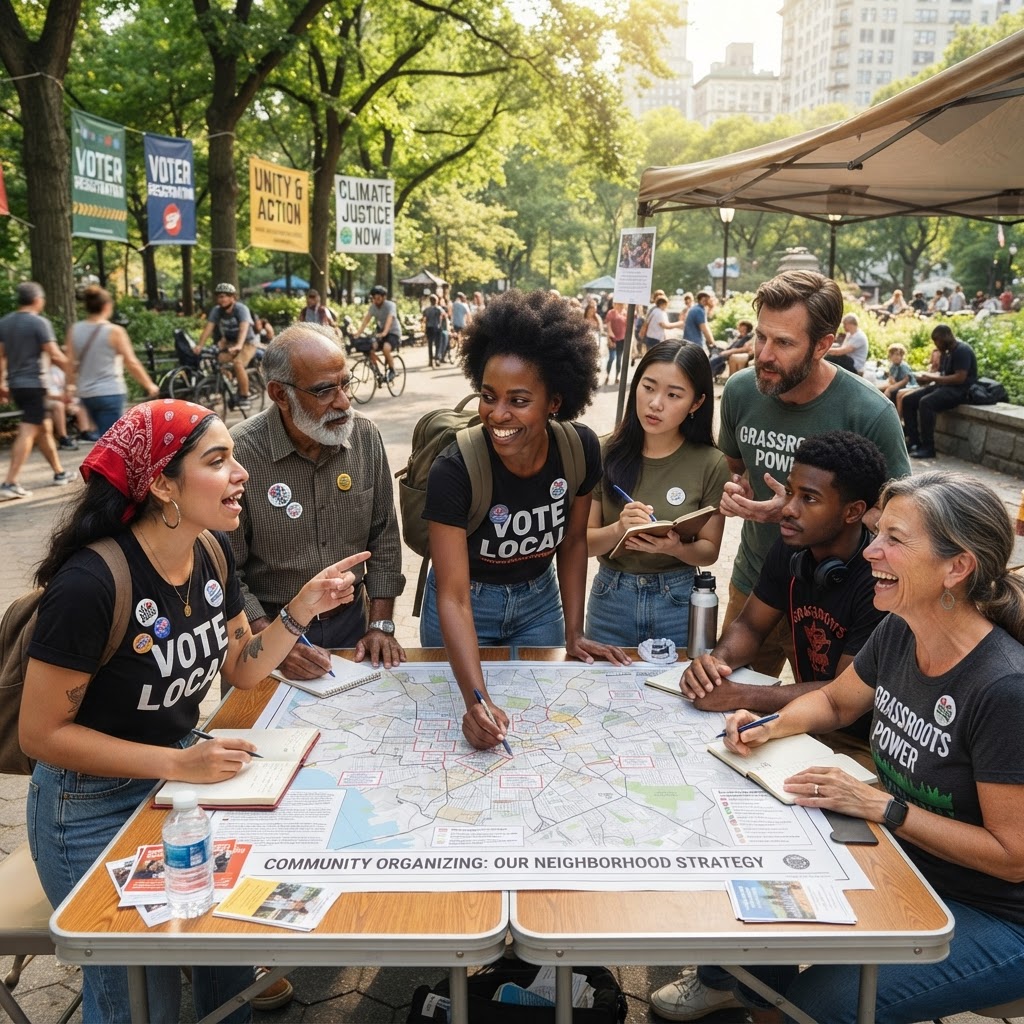
This guide provides a candid exploration of building authentic grassroots political power, emphasizing the importance of real relationships over performative activism.
A recent study found that 60% of social media activism leads to zero follow-up engagement. It struck me: how many of us are just shouting into the void, expecting change without ever meeting the people we aim to empower? We’re all fired up over issues, crafting perfect tweets and posts, but does any of it really matter? It’s time to quit the performative nonsense and focus on building genuine grassroots political power.
Talking Points:
I’ve watched countless movements fall flat, often because they focus on style over substance. Remember the last time a massive rally was organized, only to fizzle out once the media left? Those events don’t fuel sustained change. Instead, they become fleeting memories while the power structures remain intact.
Too many grassroots organizers leap into the fray without a clear understanding of what they actually want to achieve. Ambiguity breeds chaos. If you don’t have a well-defined vision or know your audience, you’re setting yourself up for epic failure.
Talking Points:
So, what’s the distinction between grassroots power and just making noise? True grassroots organizing digs deep. It’s about creating relationships, building trust, and navigating the muddy waters of local politics. It’s not about posting some hashtags and calling it a day; it demands a commitment to addressing the actual, lived experiences of the community.
Grassroots isn’t just a cute label. It’s about understanding your community’s specific needs, directly engaging with people, and rallying them around a shared cause — not some abstract concept floating around Twitter. When you prioritize the community’s voice over your own agenda, you start to build real power.
Talking Points:
Flat hierarchies can feel democratic, but they often create confusion. Everyone talks, but no one makes a decision. It’s like a meeting where everyone is impatient to prove they have the best idea—while the clock ticks on. An organization without a clear leadership structure may breed a kind of chaos that undermines its efforts instead of empowering them.
If you think a leaderless structure will magically solve everything, think again. You might just create a vacuum that informal leaders fill, leading to unaccountable power structures. A leader isn’t the enemy; they can be a critical part of holding the group together.
Talking Points:
The first thing to understand is who your real constituents are. Start by asking: who cares enough to join you? It might not be the loudest voices on social media. They may not even be the folks you think should be interested. About fifteen years ago, I learned the hard way when I tried to rally a group around an issue that only mattered to a small slice of the community.
Targeting people who feel a real connection to the cause is essential. Engage them! Get to know their stories, concerns, and hopes. Approach them with one-on-one conversations rather than group rallies. While big events can look impressive, real connections often happen over coffee—talking.
Talking Points:
Here’s the secret: the most effective organizing tool you have is your own voice—used one-on-one. These personal interactions help you understand what really resonates with potential supporters.
When you approach someone for a conversation, listen. Sounds simple, right? But too often in activism, we’re too busy pushing for commitment that we forget to hear people out first! Ask them what they think about the issues and how they might be affected personally. You might be surprised at their insights.
Talking Points:
Let’s get real: behind every successful political movement is a structure that people rarely discuss—the boring operational stuff. Understand the legal frameworks you need to operate effectively, whether you’re a 501(c)(3) or a 501(c)(4).
It sounds dull, but getting your organization’s legalities and funding sorted out can save you from major headaches down the line. Organizations that fail to account for these basics often don’t last long. Check your compliance and create transparency around your funding.
Talking Points:
Technology has its place, but remember—nothing beats face-to-face conversations. Use social media to raise awareness and connect, but make it a tool, not a crutch. So many of us have fallen into the digital trap of thinking that sharing a post is enough.
When planning a grassroots campaign, consider where your audience is and how they like to engage. The right balance between online presence and community mobilization can stretch the impact.
Talking Points:
Burnout is real, folks. I’ve experienced it first-hand. You ride the high of a major event, but afterwards? The enthusiasm dips. Being on the front lines can be exhausting, and without solid support, it’s common for organizers to feel drained.
Establish strategies that help maintain momentum. Regular check-ins, both formal and informal, will help identify burnout before it becomes overwhelming. And don’t forget self-care!
Talking Points:
A simple ‘like’ doesn’t translate to real civic participation. Watch out for slacktivism! Just because someone likes your campaign doesn’t mean they’ll show up to a rally or take action. Start evaluating your metrics more seriously.
By focusing solely on vanity metrics, you’re denying the essence of grassroots movements. Measure engagement by tracking actual participation and engagement within the community. Focus on direct action over online validation.
Talking Points:
Single-issue campaigns can fire people up but often lack sustainability. To build real institutional power, it’s vital to connect individual issues to a broader agenda and form coalitions. That way, when you face backlash, you have an entire network to lean on.
Look for ways to create leadership pipelines that encourage members to step up as future leaders. Institutionalizing support and structures creates a lasting foundation for ongoing activism and political change.
It’s time to get serious about building grassroots political power. When you embrace authentic grassroots organizing, you’re investing in real change. Engage your community, build real relationships, and lay the operational groundwork that will carry you through the challenges ahead. It’s all about rolling up your sleeves and doing the work—no shortcuts or illusions of grandeur here! Let’s get to it and share your experiences in the comments below!
Begin by identifying key issues within your community and engage with individuals who care about these topics. Building relationships is crucial.
Focus on one-on-one conversations, shared stories, and connecting the issue to personal experiences of potential supporters.
Ensure you have a clear mission, legal framework, and formal structure in place while prioritizing community engagement.
Consider using tools like grassroots advocacy software for outreach and campaign management, but don’t forget the importance of in-person actions!
Evaluate participation rates in events, member retention, and community feedback instead of relying solely on social media engagement metrics.