






Newsletter Subscribe
Join thousands of readers who get our Sunday Briefing: one email, five essential stories, zero fluff. Subscribe NOW!

Launching an independent political commentary podcast requires more than just a microphone and an opinion. Learn how to cut through the noise, maintain editorial integrity, and build a sustainable audience without selling your voice.
Most podcasts fail because they are just loud people yelling into a void of their own creation. If you think the current political discourse needs another person with a microphone and a shallow opinion, you are dead wrong. We have enough noise. We need signals.
I started my first show in a closet with a twenty-dollar mic and a massive chip on my shoulder. The audio sounded like trash. My opinions were even worse. But I learned that people do not care about your production value as much as they care about your honesty. You have to decide if you want to be a talking head or a voice that forces people to rethink their rigid worldviews.
Talking Points:
* Avoiding generic political recaps that mirror cable news.
* Identifying your specific ideological gap in the market.
* Focusing on depth over breadth to keep listeners hooked.
Every major network churns out the same drivel every single day. If you parrot what the cable talking heads say, why should I listen to you? You are wasting my time. You need to carve out a spot that nobody else is occupying.
I once tried to cover everything from the economy to local zoning laws. It was a disaster. Nobody knew what my show was about, so nobody subscribed. Once I narrowed my focus to specific policy impacts on working-class families, the audience started to show up.
Stop trying to please everyone. You will end up with zero loyal listeners. Pick a lane. Stick to it like glue.
Talking Points:
* Balancing solo commentary episodes with guest interviews.
* Matching your personality to the right show structure.
* Understanding how episode length impacts audience retention.
Some people love to hear themselves talk for hours. I used to be one of them. Then I looked at my data. Nobody was finishing those long, winding monologues. Most listeners drop off after thirty minutes unless you are truly gripping.
Solo rants feel intimate and raw. They let you build a direct bond with your listeners. But you run the risk of sounding like a crank if you do not have facts to back up your fire. Structured debates, on the other hand, require more coordination but offer a wider range of perspectives.
I suggest a mix. Do your solo deep dives on Tuesdays and bring in a sharp guest for a respectful argument on Fridays. Keep your analysis episodes tight, around thirty minutes, unless you have a real heavy hitter as a guest.
Talking Points:
* Buying gear that works without wasting your cash.
* Keeping your audio branding clean and professional.
* Avoiding the common trap of overspending on equipment.
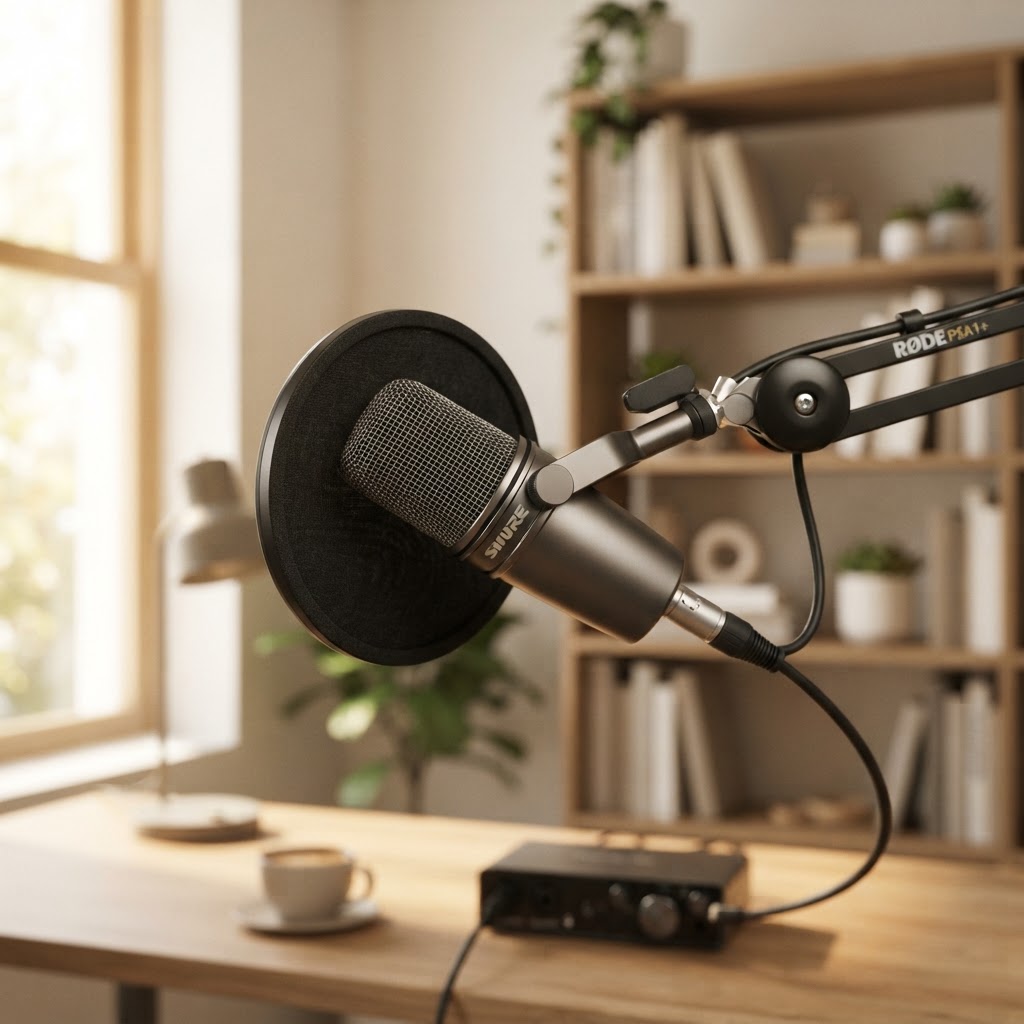
You do not need a three-thousand-dollar studio. A functional setup costs less than a hundred bucks. Get a decent USB dynamic microphone and a pop filter. That is it. People will forgive a bad camera, but they will quit your show if it sounds like you are recording in a bathroom.
I learned this the hard way during my first year. I spent way too much on a fancy mixer I did not know how to use. My audio suffered while I fiddled with knobs. Buy simple gear that works. Focus on your script instead.
Professional audio is not about ego. It is about respect. If you want people to listen, make it easy for them to hear you.
Talking Points:
* Distinguishing your personal opinion from objective fact.
* Building trust by owning your mistakes on air.
* Maintaining independence without corporate backing.
Media ethics are essentially dead at the big outlets. You can win by simply being different. Tell your listeners when you are speculating. Do not try to dress up your feelings as hard news. When you get a fact wrong, admit it immediately.
My audience grew once I started calling out my own previous errors. It sounds counterintuitive, but people trust a human who messes up more than a robot who acts perfect. You represent your own brand. Do not sell it out for a quick buck or an easy take.
Being honest is cheaper than being right. You do not need a PR team. You just need a mirror.
Talking Points:
* Navigating fair use to critique existing media.
* Understanding the difference between opinion and defamation.
* Avoiding FEC pitfalls by staying truly independent.
Copyright laws are not suggestions. You can use short clips of news for critique, but do not use music or long segments of protected content as a crutch. Keep your segments brief. Always add your own value. If you are not adding commentary, you are just stealing content.
Watch your mouth when talking about individuals. Defamation is real. You can trash a policy all day long, but be careful when you attack a private person’s character. State your intent clearly.
Staying independent of PACs is a smart move. It keeps your hands clean and saves you from a mountain of paperwork. You have enough to do without dealing with regulators.
Talking Points:
* Focusing on subscriber retention over total download counts.
* Using digital spaces to build a real community.
* Why your core listeners matter more than viral reach.
I know podcasters with ten thousand downloads who have no actual fans. They have no money and no influence. One hundred listeners who engage with you are worth more than ten thousand who just let your episode run in the background.
Find your people. Create a spot where they can argue, share, and build real connections. My Discord server is where the real work happens. That is where I get my best ideas for future shows.
Ignore the charts. They are mostly gamed anyway. Build a base that sticks around when the platform algorithm changes.
Talking Points:
* Relying on listener support rather than corporate ads.
* Offering value that people are willing to pay for.
* Keeping your political content creation free from influence.
Corporate sponsors will want to tone you down. They do not want to be near anything that could be labeled as controversial. If you take their money, you change your tune. That is a fact.
I prefer the reader-supported model. It is hard work, but it keeps my mic unplugged from corporate interests. If you offer real value, people will pay to keep your voice on the air. Do not look for an easy shortcut.
Your audience should be your primary stakeholder. Treat them well. They will reward you with their loyalty and their wallets.
Talking Points:
* Leveraging social media without becoming a spam bot.
* Reaching listeners through targeted community building.
* How podcast discoverability actually works in practice.
Do not just drop links everywhere and hope for a click. That is annoying. Show up in places where your potential listeners are already having the hard conversations. Be part of the room.
I found my best listeners by engaging in long-form discussions on platforms where people actually read. Show them you have a brain. Do not just shout your podcast title at them. Add value first.
If you provide something useful, they will find you. You do not need to hunt them down like a salesperson. Be a participant, not a promoter.
Talking Points:
* Why slow, thoughtful commentary wins in the end.
* Resisting the urge to react to every news cycle.
* Building a legacy show that holds up over time.
Everyone wants to be first to the story. I used to fall for this too. But being first is often the same thing as being wrong. Take the extra hour to verify your sources.
Your listeners will learn to wait for your take because they know it is solid. That is a competitive advantage. Speed is for the mindless talking heads. Rigor is for the people who actually want to change things.
Do you want to be a flash in the pan or a voice that matters? If it is the latter, start doing the work. Share your thoughts in the comments and let me know what keeps you up at night regarding our broken media cycle.
1. Question: Do I need a lawyer to start an independent political podcast? Answer: Not usually. As long as you clearly label your opinions and avoid making false claims about individuals, you are likely fine. Focus on your content and stick to known facts for your analysis.
2. Question: Is it legal to play news clips on my show? Answer: Yes, if you are using them for criticism or commentary. This is protected under fair use. Keep the clips short and always provide your own unique perspective on them.
3. Question: How much should I spend on hosting? Answer: Budget for about fifteen to twenty dollars a month for a standard hosting plan. You do not need expensive hosting to get your show on major apps like Apple and Spotify.
4. Question: Why is my audience not growing? Answer: You are probably trying to please everyone. People listen to political shows to find someone who shares their perspective or challenges them in a specific way. Define your narrow focus and stick to it.
5. Question: Does length matter for political podcasts? Answer: Yes, but shorter is often better for analysis. News commentary works well between twenty-five and forty-five minutes. Only stretch toward seventy minutes if you have a guest who truly keeps the engagement level high.