







Newsletter Subscribe
Join thousands of readers who get our Sunday Briefing: one email, five essential stories, zero fluff. Subscribe NOW!
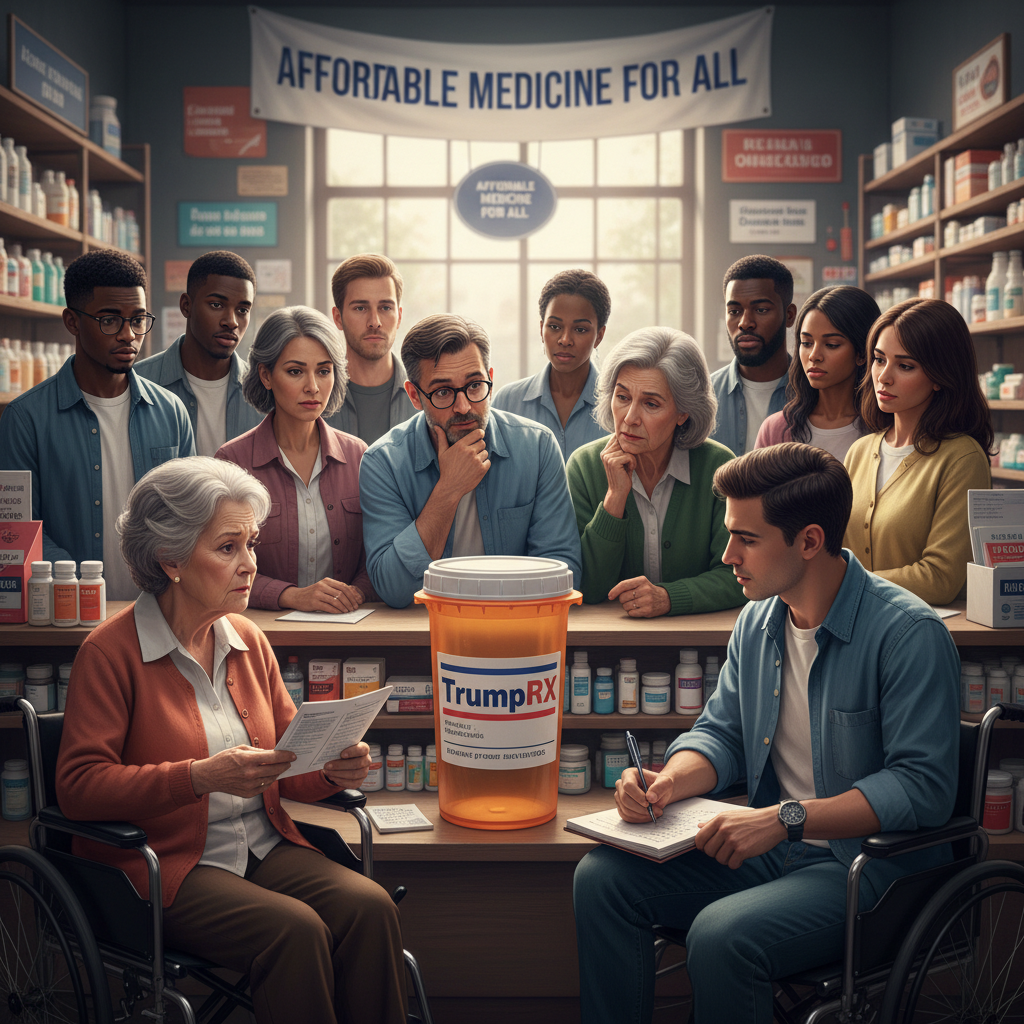
Exploring TrumpRX: Is it a genuine solution for high drug costs or just another political ploy? We scrutinize the details, history, and implications.
So, here’s a head-scratcher: did you know that nearly one in five Americans struggle to pay their prescription drug bills? That’s not just a statistic; it’s a reflection of a system that often prioritizes profit over patients. With all the political chatter surrounding drug pricing, one initiative that keeps popping up is TrumpRX. But before we get swept up in the hype, let’s unpack what’s being proposed and whether it’s really a solution or just political theater.
Talking Points:
TrumpRX is pitched as a drug pricing plan aiming to lower the costs of prescription medications and improve affordability for the average American. Sounds promising, right? It purportedly pushes for greater price transparency, and aims to increase access to generic drugs over brand name options, striving for a healthier dose of market competition.
But take a closer look: the idea of extending Medicare’s negotiation power to prescription drugs is hardly new. It’s been discussed for years and has seen bipartisan breezes that often conveniently fade away when it’s time to vote. Is this really about consumer welfare, or just another act in the political play?
Talking Points:
Let’s break it down: the current pharmaceutical supply chain is like an intricate web, tangled with layers of bureaucracy and profit margins that often leave consumers out in the cold. There’s a reputation that supply chains are magical, slashing costs while making drugs more accessible. Spoiler: that’s usually not the case!
When we consider the impact of pharmacy benefit managers (PBMs), we see a hefty driving force behind drug pricing. They negotiate prices with drug makers but often squeeze consumers in the process. They might save insurance companies a buck, but it rarely translates to lower costs at the counter for patients.
Talking Points:
Let’s call a spade a spade; political theater is alive and well in healthcare discussions. It’s easy to tout plans that sound good on the campaign trail but evaporate when it’s time to actually legislate. We’ve been on this roller coaster before!
Look at the Drug Pricing Reform Act. Another proposal, another year of lackluster results. Many politicians know that merely suggesting reform is often enough to rally support. But what happens when push comes to shove? Often, we’re left clutching a list of hollow promises instead of real reform.
Talking Points:
Ever heard of pharmacy benefit managers? If you haven’t, you’re not alone. Too many folks don’t realize how much influence PBMs have over drug pricing. They negotiate discounts but pocket a hefty kickback in the process. This might make some shareholders smile, but it leaves patients wondering why they’re paying top dollar at the pharmacy.
To put it bluntly, the practices surrounding PBMs often lead to price fixing and monopolistic practices that do more harm than good. What could our healthcare look like if we stripped back these layers and brought transparency to the inner workings of drug pricing? That’s the million-dollar question.
Talking Points:
Everyone loves a good capitalist tale about market competition driving prices down, but let’s pull that theory into the real world. Competition sounds great in textbooks, but in practice, it doesn’t always deliver.
Take the local pharmacy as a case study: prices vary wildly across town, often driven by brand loyalty rather than competitive pricing. Without effective regulatory oversight, the promised benefits of competition often fizzle out, frustrating consumers craving lower prices.
Talking Points:
Here’s another head-scratcher: price transparency is touted as the hero in the healthcare saga. Yet in real terms, have you ever tried to decode the costs of your prescription drugs? It’s like reading an ancient manuscript without the Rosetta Stone.
Even as legislation aims to increase transparency, especially regarding out-of-pocket expenses, many find themselves lost in a mire of technical jargon. When you think about it, true transparency would mean knowing not just the cost but the reasoning behind it. That’s where the system often fails.
Talking Points:
History has a way of throwing us curveballs, especially when we look at previous attempts to reform drug pricing. Think back to the Affordable Care Act — many hailed its promise of bringing prices down. But did it really deliver on those promises? For countless patients, the answer is “no.”
As we explore these case studies, the most glaring lesson is that good intentions often miss the mark. Every initiative can offer insights into what might work and what needs ditching. The key? A dedicated focus on actual patient outcomes rather than political optics.
Talking Points:
We’ve all heard the speeches. “We will lower your drug costs!” A rousing round of applause usually follows, but what happens when the final applause fades into radio silence? The reality at the pharmacy counter often starkly contrasts those bold claims.
Political branding tends to overshadow the needs of the patients. It’s time for everyday citizens to scrutinize these promises closely and demand more than just catchy slogans.
Talking Points:
You ever stop to consider who truly benefits when we tinker with these policies? It’s often not the patients at ground zero. There’s a delicate dance between pharmaceutical companies and government that leaves end-users in the dust — the people who actually need life-saving medications.
When policy changes roll out, we must ask ourselves who stands to gain. If it’s not us, the everyday user, then who’s cashing in at our expense? It’s a hard pill to swallow, but necessary for true healthcare reform.
As we wade through the muddied waters of the current drug pricing landscape, it becomes clear that we need to push for genuine reform rather than just political branding. We’ve seen promises before — it’s time for action!
From the role of PBMs to the need for regulatory oversight, the path forward includes holding both politicians and pharmaceutical companies accountable. What’s the takeaway here? Healthy discourse can lead to better outcomes, but only if we demand the truth. Share your experiences with prescription costs or initiatives aimed at lowering them; let’s hold the powers that be accountable together!
1. What is TrumpRX?
TrumpRX is a proposed drug pricing plan aimed at lowering prescription medication costs by increasing transparency and promoting competition among drug manufacturers.
2. How does the pharmacy benefit manager system impact drug prices?
Pharmacy Benefit Managers often negotiate prices with drug makers but may contribute to higher out-of-pocket costs for consumers through practices like price fixing and kickbacks.
3. Why doesn’t market competition lead to lower drug prices as expected?
While market competition is theoretically beneficial, in practice, it often fails due to lack of transparency, regulatory oversight, and prevailing monopolistic practices.
4. What lessons can be learned from past drug pricing initiatives?
Historical attempts often showcase the gap between promises and reality, indicating that genuine healthcare reform must prioritize patient access and manageable costs above political aspirations.
5. How can consumers advocate for lower prescription drug prices?
Consumers can remain informed, engage with policymakers, share personal experiences, and demand accountability from both pharmaceutical companies and elected representatives.