



Newsletter Subscribe
Join thousands of readers who get our Sunday Briefing: one email, five essential stories, zero fluff. Subscribe NOW!
Think your WordPress Multisite is safe by default? Think again. The domino effect is real, and standard security measures are failing you. Here is the blunt truth on how to actually secure your network.
Around 13,000 WordPress sites get hacked every single day. That is not a typo. You think your Multisite setup is safer than a single site? You are dead wrong. I have spent two decades cleaning up messes left by people who thought they were clever. They relied on default settings and a prayer.
Talking Points:
Most folks assume that because their network looks sophisticated, it must be protected. That is the biggest lie in the industry. Standard security measures for a lone blog do absolutely nothing for a complex network. You are managing a ecosystem, not just a site. If one brick is loose, the whole wall falls down.
Talking Points:
I remember an old client calling me in tears because one subsite got compromised by a bad plugin. Within an hour, every single site on their network was redirecting to a gambling site. It happened that fast. A single compromised entry point acts like a key to the entire house.
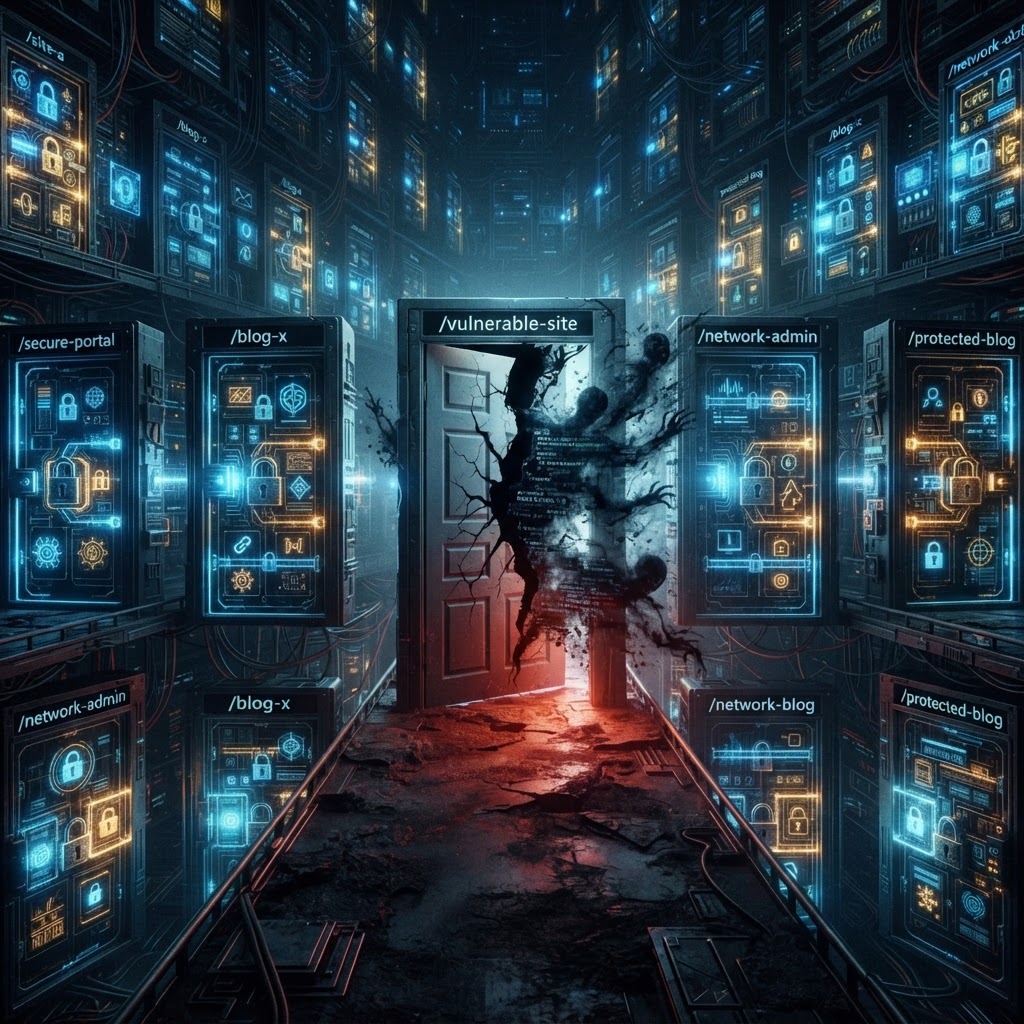
Because WordPress Multisite uses a centralized database, the barrier between your sites is purely logical, not physical. An attacker who gains access to one subsite has the keys to the entire kingdom. Once they break the wall, the domino effect is usually unstoppable. They can pull user data, change passwords, and inject scripts into every site in seconds.
Talking Points:
Having one dashboard to update everything feels efficient until it becomes a liability. Centralized architecture means a single vulnerability in a theme or plugin can be exploited across the entire install. You are essentially putting all your eggs in one very large, very visible basket.
I have seen administrators try to fight this by patching things manually, but they miss the scale of the threat. Hardening shared multisite infrastructure requires a strategy that treats the entire network as a single target. You cannot patch one subsite and ignore the rest. Every update needs to be treated as a network-wide security event.
Talking Points:
I walk into firms where every dev has Super Admin access. It makes me want to scream. Why are you giving junior staff keys to the vault when they only need to look at the front desk? Super Admin access is network-wide authority. One careless click or a phished credential puts everything at risk.
Limit the number of Super Admins to the absolute minimum. If someone only needs to manage content on a single site, give them the specific role they need. If you have five Super Admins, you have five points of failure. Every single account with that level of power should require hardware-based two-factor authentication.
Talking Points:
If you are still using a basic security plugin and thinking you are safe, wake up. Standard plugins rarely account for the specific lateral movement risks inherent in a multisite structure. You need to get under the hood. Start by disabling file editing in your admin dashboard. Use that tiny line in your wp-config file to lock it down.
Stop relying on software that promises to handle everything for you. It never does. XML-RPC is another massive hole that needs to be plugged. If you are not using it for specific remote management, turn it off. Hardening happens in the configuration files, not in a drop-down menu of a dashboard plugin.
Talking Points:
I hear people say they are safe because they use custom table prefixes. That is like locking your screen door while leaving the front door wide open. Table prefixes are for organization, not security. If an attacker runs a query on your database, they can see every single table, regardless of the prefix.
True logical data isolation is a fantasy in a standard shared database setup. You must treat the database as a single vulnerable entity. Back it up daily. Keep it encrypted. And for the love of all that is holy, do not store sensitive user data in custom fields that every plugin can query.
Talking Points:
Standard hosting firewalls are basically cardboard screens against a hurricane. They catch the absolute basics, but 87% of modern exploits sail right past them. You need a dedicated WAF that understands the specific quirks of WordPress.
Positioning your protection at the edge is the only way to survive high-volume attacks. Use a CDN that offers actual threat blocking, not just image caching. It stops the malicious traffic before it ever hits your server resources. That is the kind of zero trust architecture you need to be aiming for.
Talking Points:
In 2025, 91% of vulnerabilities came from plugins. Stop adding plugins just because they have cool features. Every single piece of third-party code you install is an open window for a hacker. You need a formal policy for what gets installed and who is allowed to do it.
Schedule a quarterly network security audit. If a plugin has not been updated in six months, delete it. If you are not using a theme, delete it. The clutter is not just annoying, it is a massive, gaping hole in your security wall.
Talking Points:
Lateral movement is how a small crack becomes a building collapse. Once an attacker is inside, they will scan for other sites. They want to move from a low-traffic site to your main revenue hub. You need to harden your network so that sites remain as isolated as possible.
Be very picky about who can move data between sites. Do not allow network-wide file uploads unless it is strictly necessary. Session hijacking is real, and it happens when cookies are not strictly scoped. Make sure your environment is configured to restrict session visibility as much as the core allows.
Talking Points:
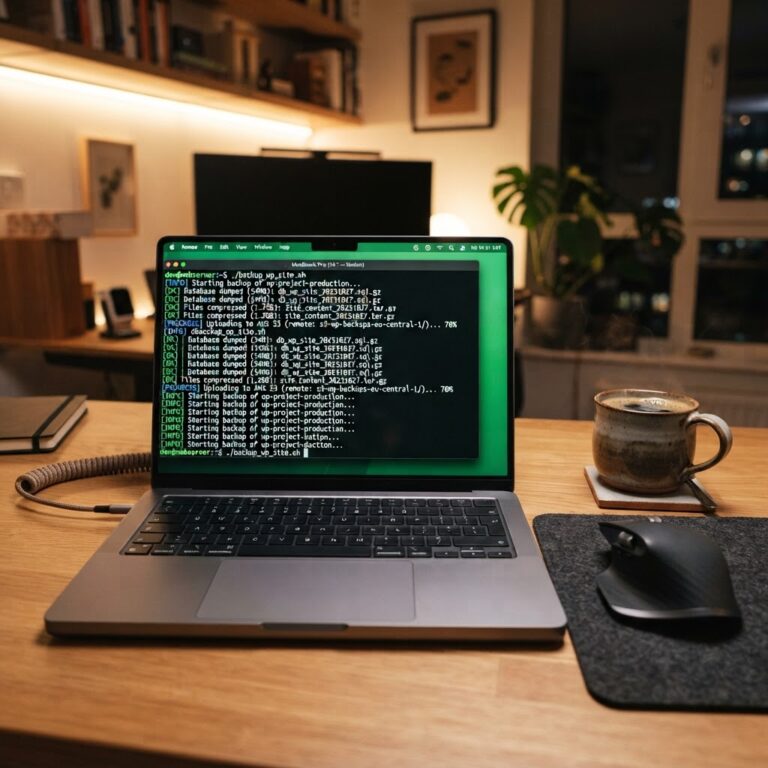
I have seen people lose months of work because their backup plugin only grabbed the core files and ignored the specific subsite media tables. A backup that you cannot restore in under an hour is not a backup, it is a paperweight. You need off-site, encrypted, immutable storage.
Test your restores. If you have not tried to pull a site out of a backup this month, you do not have a strategy. You have a wish. Take the time to build a recovery plan that accounts for the entire network’s state at once.
Security is not a box you check and forget. It is a daily, exhausting, and necessary grind. Stop looking for the one magic setting that will make your Multisite network impenetrable. It does not exist. Your goal is to make yourself such a difficult target that the hackers move on to someone else.
Apply these principles today. Lock down your admin roles, audit your plugins, and stop pretending that standard settings are enough. If you have a story about a breach you survived or a hardening trick you swear by, share it in the comments below. Let us keep the conversation honest.