







Newsletter Subscribe
Join thousands of readers who get our Sunday Briefing: one email, five essential stories, zero fluff. Subscribe NOW!

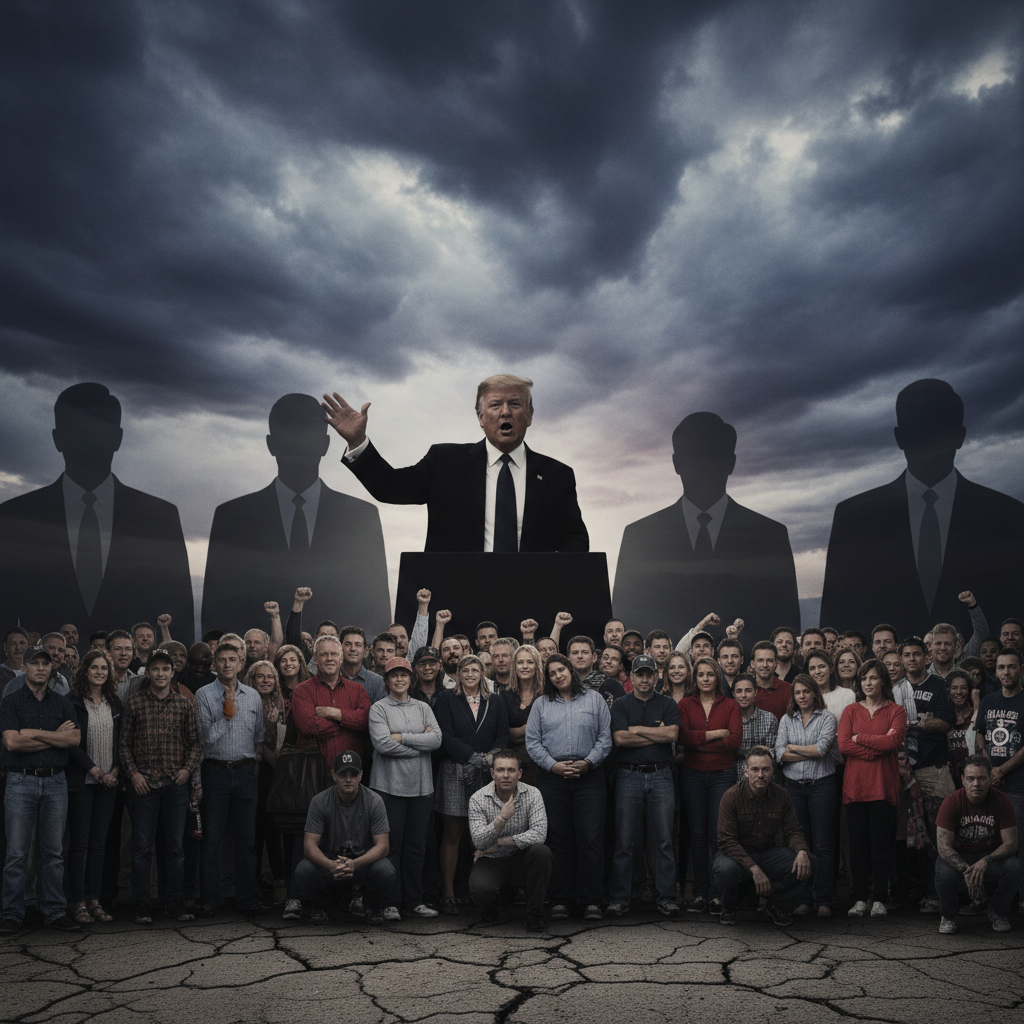
Explore the troubling legacy of Donald Trump and the Republican Party's embrace of political deception. Understand the impact of disinformation on democracy, and discover ways to restore truth in politics.
In 2020, 59% of Americans voiced doubts over the integrity of our elections. Let that sink in. This isn’t just a number; it’s a disturbing reflection of a society grappling with misinformation and a growing chasm of distrust. It feels almost surreal that we’ve come to this point, doesn’t it? But here we are, grappling with political realities that many would have dismissed as fantasy a mere decade ago.
In our current political landscape, Donald Trump and his relentless allies emerge as architects of disinformation, peddling a narrative so detached from fact it borders on theatrical. The term “Big Lie” has become not just a slogan, but a testament to the GOP’s troubling embrace of political dishonesty. Let’s unpack this phenomenon and strive to understand its roots, implications, and the path forward for American democracy.
It’s essential to recognize that the roots of today’s political dishonesty don’t sprout overnight. The Republican Party has a storied legacy that reveals a troubling penchant for spinning narratives. From media manipulation tactics used against civil rights movements to the orchestrated misinformation campaigns surrounding climate change, it’s clear that deception is not a recent acquisition but rather a defining trait of GOP politics.
Take a moment to consider the several instances where truth took a backseat in favor of political expediency. The phrase “fake news” didn’t just emerge in a vacuum; it’s part of a larger strategy of discrediting inconvenient truths. Echoing this concept, powerful media narratives have distorted realities, creating a breeding ground for insidiously crafted falsehoods and political propaganda.
Ah, the infamous “Big Lie”. At the core of Trumpism lies a relentless barrage of claims about a 2020 election fraught with voter fraud—the very idea being a marvel of disinformation. Despite countless court dismissals, audits, and endless fact-checking exposing these lies, the narrative persists, buoyed by an unwavering loyalty among certain party members.
What does this mean for the average American? Well, almost half of the electorate now believes that their votes can’t be truly counted, and that’s a can of worms we never wanted to open. The dangerous consequences ripple through our democracy, fostering a culture of mistrust and resentment. This isn’t just a political issue; it’s an existential threat to democratic integrity.
So, why has the GOP embraced such glaring falsehoods? The answer lies in the nature of political loyalty and the temptation of conformity. Within party ranks, dissenters have faced significant pushback, to the point where challenging the accepted narrative can lead to removal from primaries and ostracism. This has created an inner circle that thrives on those very falsehoods that should ideally be challenged.
The irony is almost Shakespearean—politicians who once prided themselves on accountability now cling to a narrative that defies common sense and threatens the party’s long-term viability. This calculated risk has turned the Republican Party into a haven for deceit, further alienating moderates and creating insurmountable divisions.
Why do we accept lies? Let’s pull back the curtain on how political deception is orchestrated and why it sticks. The mechanisms at play today are terrifyingly effective. Social media, once heralded as a democratizing force, has morphed into a breeding ground for disinformation.
Bots and trolls proliferate outright lies; they make falsehoods go viral faster than you can say “fact-check”. And then there’s the emotional aspect. Politicians have mastered the art of manipulating feelings—fear, anger, and certainty become tools of electioneering. With every share and retweet, these falsehoods secure their grip, tugging at the very fabric of our collective understanding.
The broader impact of these manipulative lies is nothing short of catastrophic. As truth erodes, so does public trust in political institutions. When voters feel that they cannot depend on the systems meant to serve them, the result is a cynical populace that turns away from civic engagement and democratic processes. This not only deepens political polarization but also weakens the mechanisms of accountability essential for governance.
It’s straightforward math—the more dishonesty permeates our politics, the less capable we become of devising constructive solutions to the pressing issues facing our nation.
Now, let’s talk about the media. It stands at an intersection, capable of amplifying political lies or effectively challenging them. We’ve witnessed both extremes, where some outlets have given airtime to baseless claims with alarming regularity while others have taken stringent stances on fact-checking.
The responsibility here is gargantuan. Journalists must tread a thin line, building respect and credibility while wrestling with sensationalism and ratings-driven narratives. While some media outlets labor tirelessly to debunk falsehoods, others drown us in a sea of misinformation. Every click, every view, every article shapes the way we perceive our world. What a heavy burden!
Human nature is complex, and this baffles our rationality. Why do seemingly rational individuals cling to untruths? Cognitive biases play an enormous role: confirmation bias, for example. Voters tend to seek information that reinforces their pre-existing beliefs, disregarding anything that conflicts with them. As social beings, many want to belong to a community that shares their views. This holds even more sway when those communities have been built around a particular narrative, feeding each other’s perceptions of reality.
Politicians have honed the strategy of reinforcing these beliefs, steering conversations not to facts but feelings—a tactic as old as time. Remember, it’s easier to ignite a passionate response, even if it’s rooted in falsehood, than to persuade through reason.
If we really want to turn the tide, we need proactive strategies. Transparency should be embraced at all levels of governance. That means demanding accountability and navigating the murky waters of misinformation with clarity. We’ve got to arm ourselves with critical thinking skills and dissect claims versus facts.
Educational initiatives are vital—teaching citizens to distinguish between information and propaganda would be revolutionary. When people can wield knowledge, they’ll dismantle the very foundation of deceit that has overshadowed our political conversations. Imagine a culture where questioning isn’t just tolerated but celebrated!
Political honesty isn’t just a lofty ideal—it’s a necessity for our democracy’s survival. The fight against political deception is not merely about confronting Donald Trump or the Republican Party. It’s about revitalizing our democratic ideals and holding everyone accountable for their words and actions. In a climate where honesty is often a rare commodity, we must demand it from our leaders.
I invite you to reflect on your experiences. Have you felt the impact of these lies? Let’s reignite the conversation about truth; your voice matters. Chime in with your thoughts or experiences in the comments below. Let’s pave the way for a political future grounded in honesty and integrity!
Q1: What are common tactics used in political misinformation?
A1: Misinformation often involves emotional appeals, propaganda, and selective reporting, aimed at creating a narrative that resonates with certain voter bases.
Q2: How can individuals combat political dishonesty?
A2: Individuals can promote critical thinking, fact-check information before sharing, and engage in constructive conversations to challenge falsehoods.
Q3: Why do people continue to believe in political lies despite evidence?
A3: Cognitive biases, social identity, and emotional attachment to narratives often blind individuals to contradictory evidence, making them cling to false beliefs.
Q4: What role does the media play in shaping public perception?
A4: The media can either amplify misinformation through sensational reporting or provide a counter-narrative through rigorous fact-checking, significantly shaping public opinion.
Q5: How does political dishonesty affect democratic institutions?
A5: Political dishonesty erodes public trust in institutions, decreases voter engagement, and contributes to polarization, undermining the foundational principles of democracy.