


Newsletter Subscribe
Join thousands of readers who get our Sunday Briefing: one email, five essential stories, zero fluff. Subscribe NOW!
Explore the truth behind election news, revealing the myths, manipulation, and suppression tactics that threaten our democratic ideals. Challenge yourself to rethink what it means to participate in democracy.
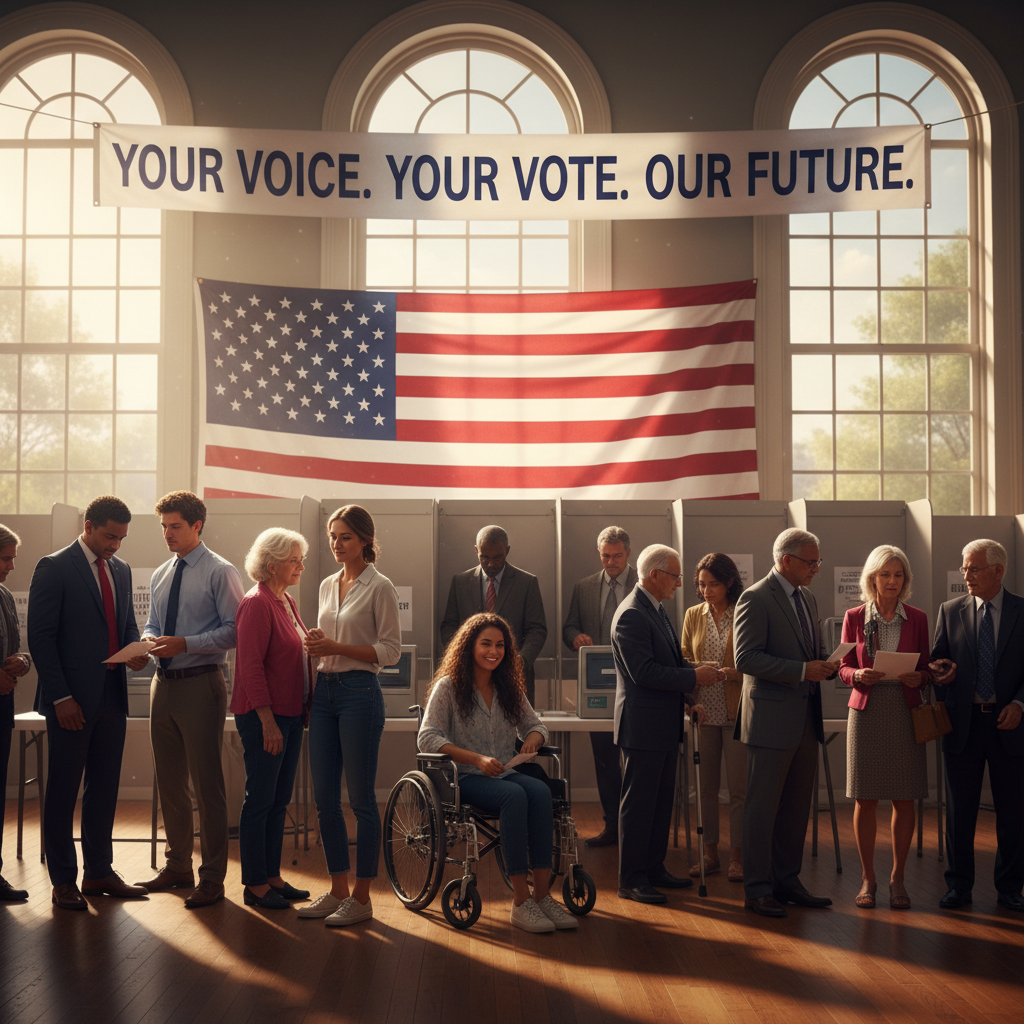
Have you ever stood in line to vote, heart racing, trying to shake off the feeling that the very process you’re participating in is a sham? I have. On more than one occasion, I’ve found myself wondering if our elections are genuine reflections of the people’s will or if they are simply a grand performance, where the outcomes are scripted by those pulling the strings. Are we just pawns in a rigged game? Let’s talk about the uncomfortable truths behind election news, the myths surrounding democracy, and how we might break the cycle of cynicism.
Talking Points:
Free and fair elections—sounds good, doesn’t it? But dig a little deeper. The narrative that we live in a bastion of democracy is just that: a narrative. Statistics reveal an unsettling truth. Almost 50% of Republican voters claimed to trust their local and state counts. Yet, only about 25% trusted the national tally. This disparity isn’t a mere statistic; it’s a symptom of a larger disease infecting our democratic institutions.
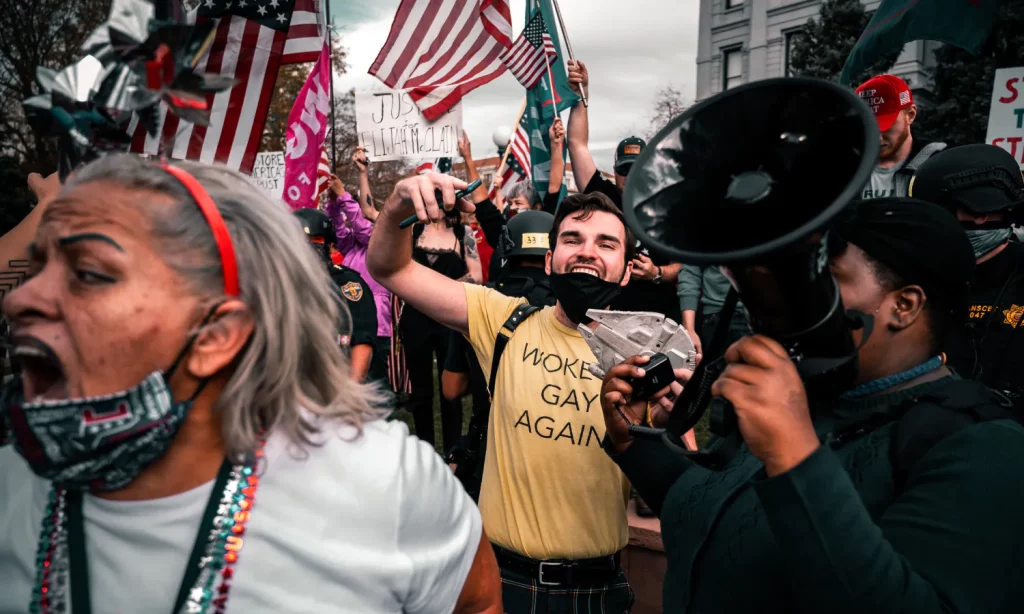
Historically, we’ve seen elections turned on their heads through political manipulation, be it through gerrymandering or other forms of distortion. The specter of electoral fraud lingers in the background, haunting public discussions and shaping behaviors during voting seasons. Have we, the electorate, come to accept that our freedom to vote is overshadowed by the crushing weight of doubt?
Talking Points:
Political manipulation isn’t just something you read about in textbooks—it’s alive and well in our electoral system. The mechanisms are subtle but effective: voter ID laws, limited polling places, and confusing ballots all serve as barriers to access. Each tactic is a cog in a machine designed to control and dilute voter participation, particularly targeting marginalized communities.
For example, each election cycle sees new hurdles tossed in front of young voters and people of color. Remember the chaos surrounding voter ID requirements? That was no accident; it was a calculated effort to suppress votes. This is political corruption in action, stripping away the very fabric of our supposed democratic processes.
Talking Points:
If you thought voter suppression was a relic of the past, think again. The spike in misinformation during the 2020 election was alarming, particularly around voter suppression techniques. Robocalls distorted realities, scaring those eager to vote into complacency. Think about it: how many people stayed home rather than face a complicated process or obey complicated rules?
Yet, it’s not just the sheer volume of misinformation that matters; it’s the intent behind it. A 2022 initiative launched by Priorities USA aimed at combating these very tactics with a $15 million budget focuses on protecting vulnerable communities from disenfranchisement. This highlights how entrenched interests, perhaps driven by fear of change, are often a greater threat than any single voter.
Talking Points:
Let’s not pretend the media has an innocent role in shaping public perception. Sure, they are our watchdogs, but many have turned into part of the political machinery, selectively reporting in ways that support one narrative over another. This is particularly problematic in highly polarized environments. The 2008 study on media bias demonstrates this perfectly. By catering to partisan audiences, critical information is either diluted or omitted entirely.
So, who suffers? We do. The public. When crucial information is suppressed, electorates make uninformed decisions. How can you hold your leaders accountable when you don’t even have the complete picture?
Talking Points:
The fabric of electoral integrity is a fragile illusion. You see, many would love to believe that our elections are foolproof, that systems are in place to catch issues before they become scandals. Yet, we’ve been burned before. Take the infamous elections that have been marred by fraud allegations; remember the fallout? The claims often create distrust, but seldom hold up under scrutiny.
Case studies across various historical contexts show us that without ongoing reform, integrity will remain a hard-fought illusion. If we don’t actively participate in safeguarding our system, that illusion will become our new reality, a comfortable lie.
Talking Points:
It’s easy to look at history and thank ourselves for why today’s elections are different. Yet, every failed election is a stark reminder of the consequences of apathy. We might think of the most notable democratic failures in history—countries that once thrived on public participation now diminished to shadows of their former selves. They remind us: the cost of indifference is too high.
Do we want our children to read about us in history books as the generation that let democracy falter? The ripple effects are stark. The future of democratic institutions is in our hands, and each vote plays a role in shaping it.
Talking Points:
So, what can we do? Sitting on the sidelines only serves the interests of those who manipulate the system. Citizens have always worn the badge of responsibility, but what does that entail in today’s climate? It means showing up—not just at the polls, but in all aspects of political engagement.
Grassroots movements have shown tangible change. Each voice matters. The more people demand transparency and accountability, the harder it becomes for political malfeasance to thrive. How do we combat the sense of futility that often creeps in? By recognizing our power to affect real change.
Elections can feel like a circus, but at the heart of it all lies a critical truth: we must summon the courage to revisit and redefine our democratic processes. The illusions may be as powerful as they are misleading, but they don’t have to dictate our reality. Let’s challenge them together! Have you been frustrated by your local or national elections? Perhaps there’s a way to transform that frustration into action. Join the conversation, share your stories!
—
Q: What is voter suppression?
A: Voter suppression refers to strategies that are used to discourage or prevent specific groups of people from voting. This can include laws that make it harder to register or vote, misinformation, and other hurdles.
Q: How does media bias affect elections?
A: Media bias can skew public perception by highlighting certain narratives while downplaying or ignoring others, leading to misinformation and electoral mistakes. This ultimately affects voter choices.
Q: Can citizens combat voter suppression?
A: Yes! Grassroots movements and advocacy groups play a critical role in educating voters and pushing back against laws that suppress voter turnout.
Q: Why should we be concerned about electoral integrity?
A: Electoral integrity ensures that elections reflect the true will of the people. Without it, trust in democratic processes erodes, leading to disillusionment and lower voter turnout.
Q: What role do citizens play in maintaining democracy?
A: Citizens are vital in a democracy. Engaging in political discourse, voting, and holding leaders accountable are essential to preserving democratic institutions and ensuring they remain representative of the populace.