







Newsletter Subscribe
Join thousands of readers who get our Sunday Briefing: one email, five essential stories, zero fluff. Subscribe NOW!
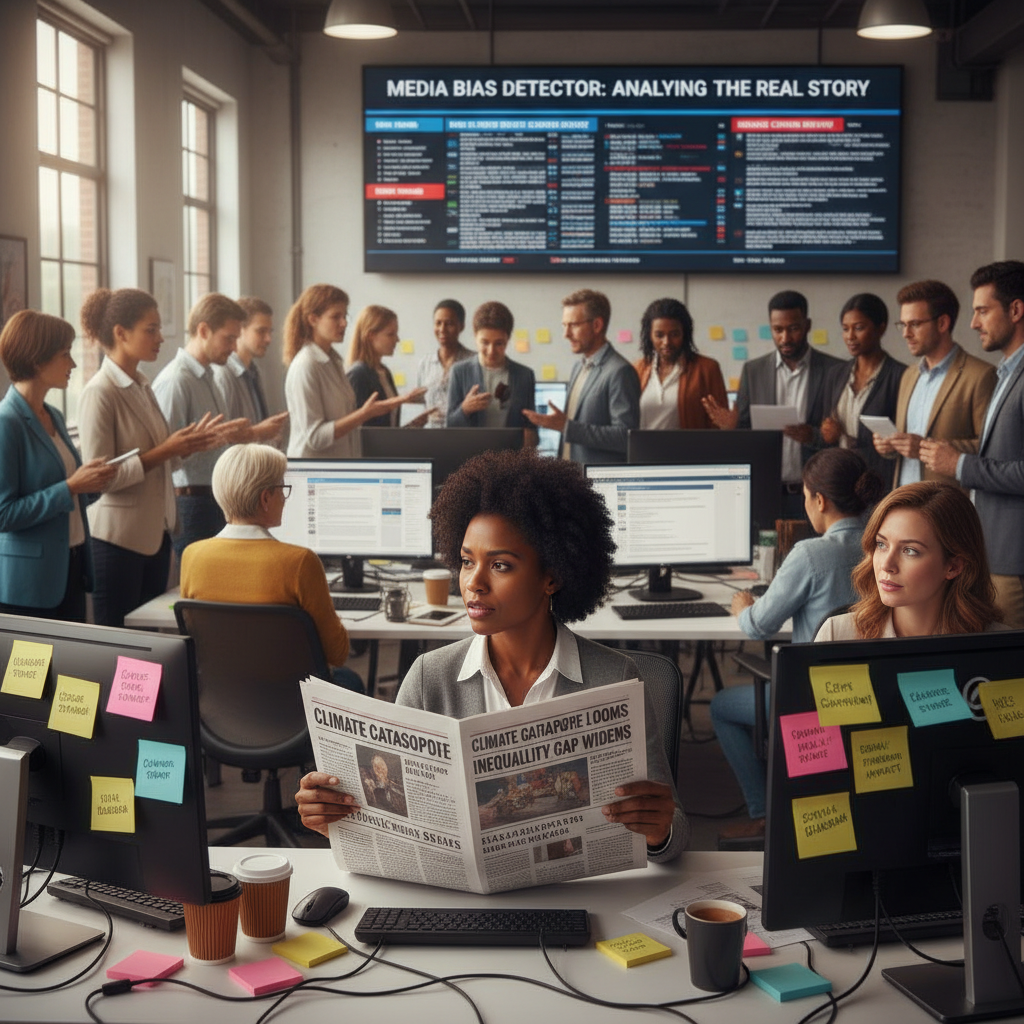
A deep dive into the pervasive issue of media bias, particularly focusing on liberal news outlets and how these biases impact public perception and democracy. This article challenges readers to think critically about their news consumption habits and advocates for greater media accountability.
Have you ever considered how pervasive media bias is in your daily news consumption? It’s everywhere— at least that’s the sentiment echoed by a staggering 73% of Americans who now view bias in reporting as a serious issue. This isn’t just noise; it’s a call to action to honestly examine where we get our information!
It’s frustrating. We want clear, objective reporting, yet we find ourselves wading through a muddied landscape riddled with bias. Media isn’t just a passive vessel feeding us updates; it actually shapes our perceptions, actions, and understanding of the world around us. Whether you’re left, right, or somewhere in between, this is a crucial conversation to have— one that we’ve been avoiding for too long.
Talking Points:
Media bias isn’t a new phenomenon; it’s been a staple of American journalism since our country’s infancy. In the late 18th century, newspapers were shamelessly partisan; they leaned heavily toward their founding ideals, with editors openly endorsing political candidates. Fast forward a couple of hundred years, and you’ll find a landscape increasingly influenced by sensationalism.
The late 19th and early 20th centuries saw publishers like Hearst and Pulitzer pushing boundaries—not just for truth but for circulation and revenue. Yellow journalism flourished, abandoning objectivity for sensational narratives. Fast forward to today, and while some might argue we’re more informed, are we really? Journalistic integrity seems lost amidst fierce competition for clicks and shares.
Talking Points:
First off, let’s address the elephant in the room: do we have the data to back up the claim of liberal bias? You bet. A 2006 study by UCLA found that prestigious outlets like the New York Times had an ADA score of 73.7, indicating significant liberal leanings. And don’t think it stops there; a 2013 survey revealed that around 38.8% of U.S. journalists identified as leaning left. This disproportionate ideological makeup isn’t merely coincidence. It skews how news is reported.
Consider how certain events are framed; for instance, coverage of protests can vary immensely based on whether the outlet highlights the cause or the chaos. Each article tells a story, but whose story? One only needs to look at case studies to see that even small wording choices can lead audiences down vastly different paths of understanding.
Talking Points:
Media bias doesn’t just affect how a story is told; it influences how we act. Think about this: how many times have you questioned your own beliefs after hearing a compelling narrative during news coverage? Bias doesn’t just distort news—it’s a game played with perceptions that can sway elections and mold public opinion.
Political polarization, fueled by biased reporting, leaves many people feeling like they’ve got to choose a side. Unfortunately, the more entrenched our views become, the more we expect our news to validate those views. Is it any wonder that trust in journalism is eroding? Many people see media as an adversary rather than an informant.
Talking Points:
Let’s hold up a mirror and take a look at how conservative media operates. Sure, bias is a two-way street, and outlets like Fox News boast their own brand of political slant. However, the question remains: how does this compare to liberal coverage? While liberal outlets often emphasize social justice and systemic issues, conservative ones tend to spotlight traditional values and free-market perspectives.
However, both sides fall prey to sensationalism. Liberal networks can present complex issues in overly simplistic narratives, sometimes alienating moderate voices. As someone who’s been on the receiving end of sensationalized news, I can attest to the confusion it creates. We’ve essentially got two media ecosystems operating, reinforcing their existing biases rather than bridging gaps through thorough reporting.
Talking Points:
We are all complicit in this mess. Every click-tap on our feeds signals preference, often reinforcing existing biases. The internet enables niche consumption; sites that align with our views become our go-to sources. Yet this isn’t just a passive behavior; it actively shapes the narratives we accept.
Platforms like Facebook or Twitter create echo chambers, breeding a culture where we see only what we want. But it’s not the platforms that are the problem— it’s our willingness to be spoon-fed. Consumers must realize that varied exposure is essential for critical thinking. If you’re only consuming one type of content, are you truly informed? Questions need to be asked, and biases must be challenged by us, the consumers.
Talking Points:
So how do we sift through the noise? Recognizing bias is the first step. Look for loaded language, and be skeptical of emotionally charged headlines. An article that sensationalizes facts rather than presenting them dispassionately should raise flags. The source also matters. Check if the outlet has a history of advocacy or partisan reporting.
Next, cross-reference. Don’t settle for one outlet. Expand your reading to bolster a well-rounded view. This isn’t just a habit; it’s a necessity if we want to maintain any semblance of media literacy in our daily lives. Be proactive in your consumption; it pays off in intellectual dividends.
Talking Points:
The media landscape is far from perfect, but acknowledging that there is bias is a step in the right direction! Every story has the potential to inform or mislead. To foster accurate discourse, we cannot afford to remain passive consumers. Let’s demand more from our media outlets, advocate for greater accountability, and hold journalists to higher standards. This isn’t just about news; it’s about shaping an informed public that holds power accountable.
Now, it’s your turn! Start questioning what you read. Challenge yourself to look beyond the headlines and engage deeply with the material. Your voice matters in shaping a better media environment.
Media bias refers to the perceived or actual bias of journalists and news producers in how they choose stories and report them. It can manifest through selective coverage or editorializing.
Look for specific indicators such as the language used, framing of the story, source selection, and even the choice of images. If a piece feels emotionally charged, it may be biased.
Most news sources exhibit some degree of bias, influenced by political leanings, audience expectations, and corporate interests. It’s essential to consume a mix of perspectives to get a more balanced view.
Understanding media bias is crucial for being an informed citizen. It helps you critically evaluate news stories, avoid misinformation, and make better decisions based on facts rather than spin.
Start by encouraging open discussions about media sources, offering workshops on recognizing bias, and promoting diverse reading lists that include various perspectives.