




Newsletter Subscribe
Join thousands of readers who get our Sunday Briefing: one email, five essential stories, zero fluff. Subscribe NOW!

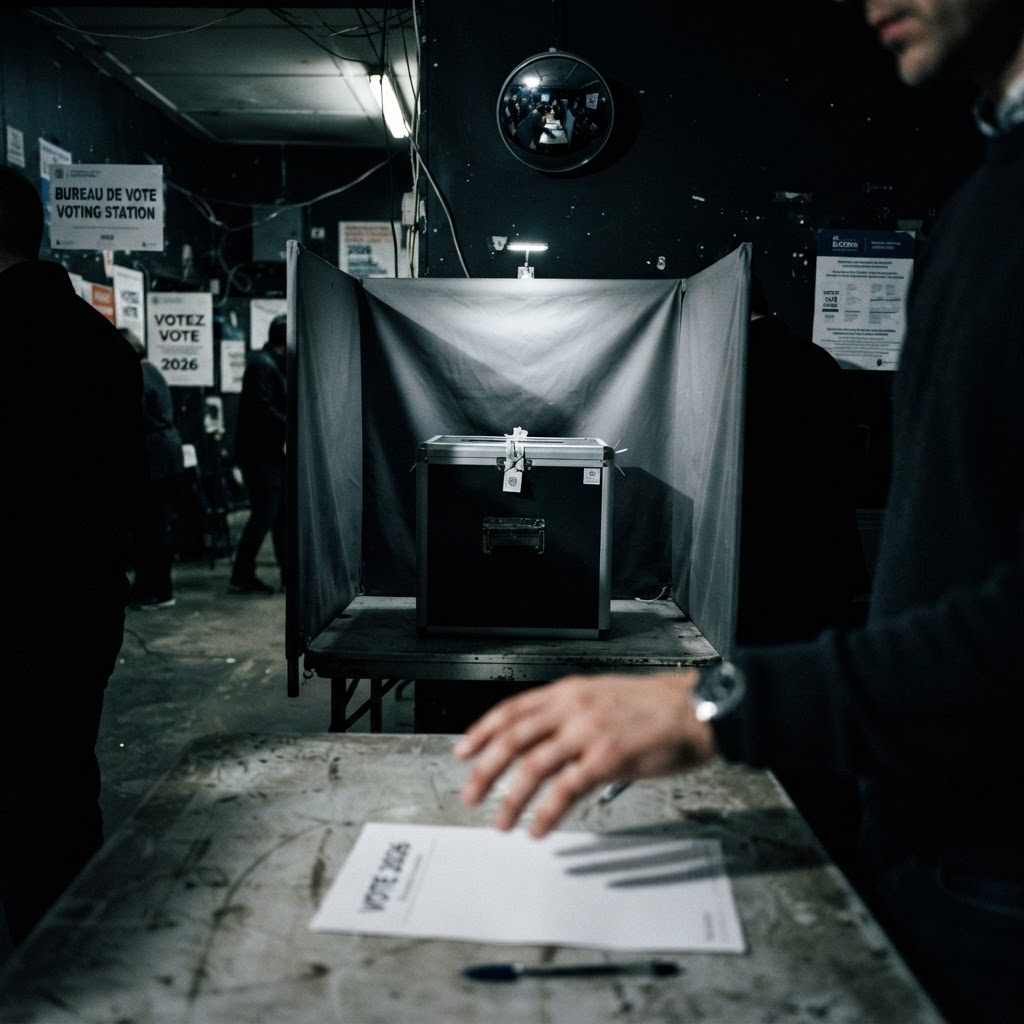
Voter intimidation is evolving beyond physical threats. We unmask the digital surveillance, psychological warfare, and systemic apathy defining the 2026 election cycle.
Talking Points:
I sat in a polling station in 2022, watching a guy with a GoPro strapped to his chest pace back and forth. He wasn’t breaking laws. He was just existing in a way that made every voter feel watched. Over $10 billion will fuel the circus this cycle. This is not a democracy. It is a massive media production designed to drain your willpower. People are tired. They stop showing up. That is the goal.
Talking Points:
Fists were the old way. Now, we use paper and red tape. State legislatures pushed over 558 voting bills this session alone. They want you lost in the details. You think you have a choice. You have a menu of pre-approved options. Federal law technically prohibits intimidation, but laws are just ink on paper without someone willing to swing the hammer. Criminal penalties exist in Title 52, yet nobody wants to file the charges. Fear is cheaper than litigation.
Talking Points:
Paper is our best friend. About 99% of you will use systems with a verifiable paper trail in 2026. This is a massive victory for election security. People worry about hacked machines. I worry about the person standing behind me in line checking my address. The threat shifted from hardware to the individual mind. My colleagues keep looking at the machines. Look at the people instead.
Talking Points:
I saw a video of my town clerk announcing a change in polling locations. It looked perfect. It sounded like her. It was fake. AI tools make lying effortless. You see these clips on your phone and start questioning everything. That is psychological warfare at its finest. You lose trust. You stay home. The bad guys win without lifting a finger.
Talking Points:
Some states think partisan poll watchers are heroes. Others treat them like pests. I treat them like I do a loud talker at the movies. They are there to make you feel like you are doing something wrong. Your existence as a voter is an inconvenience to them. Just keep moving. Ignore the noise.
Talking Points:
Seven out of ten election officials expect some kind of trouble. They are preparing for federal agents. Oregon and New Mexico already banned those agents from hanging around. Good. We need those laws everywhere. The fear of being targeted is a powerful deterrent. It keeps the quietest voters away from the ballot box. You are not a target. You are a citizen.
Talking Points:
We saw 65 bills proposed. Zero passed. Politicians love the drama of proposing a law they know will die. It gets them on the news. It satisfies their base. It does nothing to protect your ballot. We are stuck in a loop of performative governance. They do not want to fix the system. They want to hold it hostage.
Talking Points:
I don’t watch the news anymore. It is all meant to make me angry or afraid. My neighbor told me our voting machine was a foreign plot. I told him to look at the paper trail. He didn’t care. He was already convinced. Media outlets monetize your rage. Keep your head clear.
Talking Points:
Fear makes you predictable. A scared voter follows the script. They want you to stay home. They want you to think it’s all fixed anyway. If you believe your voice doesn’t matter, you relinquish your power. That is exactly what they want. It makes their job of staying in office so much easier.
Talking Points:
Our system is messy. It is decentralized. That is a feature, not a bug. It makes it hard for a central power to ruin everything at once. We have a shot if we actually participate. Do not give in to the apathy. That is the only real threat to our process. Show up. Use your ballot. That is how you break the cycle.
We are caught in a cycle of constant, low-level dread regarding our own democracy. It is designed to exhaust you. Do not let it. The systems we use are more secure than they look, provided we keep our eyes on the ground level. Focus on your local election board. Participate in the work. Real change happens when you stop watching the national theater and start paying attention to your precinct. Your voice is only silent if you decide it is. Keep your eyes open, verify what you hear, and show up. Go talk to your neighbors about it. Share what you know. Tell me in the comments how your local precinct looks this cycle.
1. What is the difference between legal poll watching and voter intimidation? Legal poll watching involves observing the process to ensure rules are followed, whereas intimidation involves threats, coercion, or actions designed to interfere with your ability to cast a ballot.
2. Should I be concerned about federal agents appearing at my polling place? Many states have passed laws to prohibit federal and immigration officers from acting as poll guards, reducing the risk of federal interference at the ballot box.
3. How can I verify that my vote is counted correctly? Most voting systems in 2026 include a voter-verifiable paper trail, allowing you to confirm your ballot was recorded correctly before you cast it.
4. Are deepfakes a real threat to the 2026 election? Yes, states are monitoring AI-generated content as a potential vector for disinformation, which can confuse voters about polling times, locations, or candidate statements.
5. What happens if I feel intimidated while trying to vote? You should report the behavior immediately to a poll worker or your local election official, as voter intimidation is a federal crime under Title 52 of the U.S. Code.