







Newsletter Subscribe
Join thousands of readers who get our Sunday Briefing: one email, five essential stories, zero fluff. Subscribe NOW!

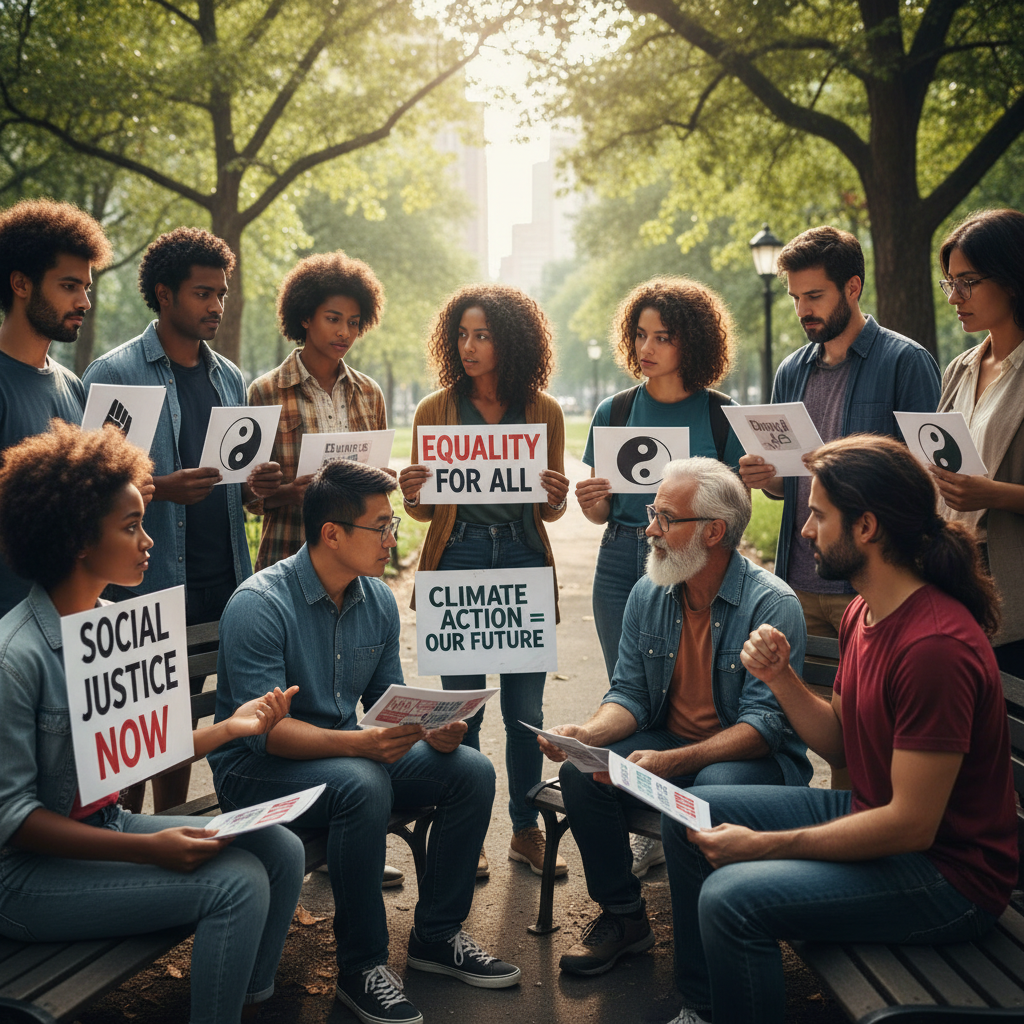
Left-wing politics encompasses a variety of ideologies advocating for social justice, economic equity, and civil rights. This critical examination delves into its historical origins, key ideologies, and the challenges it faces today.
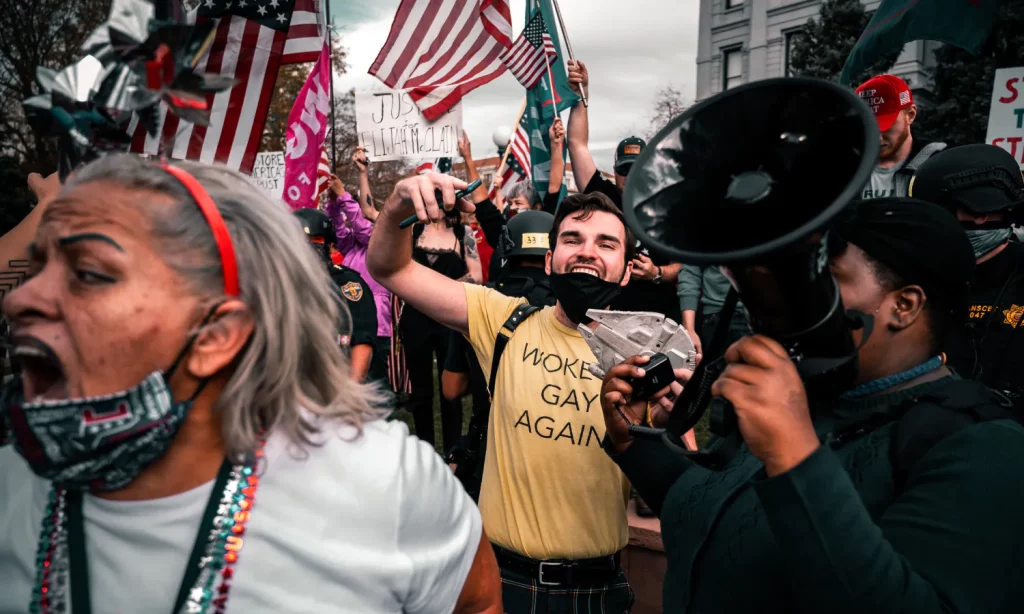
It’s easy to roll our eyes and label all those noisy activists as just the latest fad if we come from a more conservative background. Yet, when looking at the legacy and continued influence of left-wing politics, dismissing them outright is not just lazy; it’s reckless. After all, we’re talking about systems that advocate for social justice, economic equity, and civil rights—issues that impact lives far beyond the noise of social media outrage. It ain’t all perfect, but to ignore these movements is to risk missing out on understanding our political landscape at a deeper level!
Talking Points:
Let’s flip back to 1789. Picture the French Revolution: men and women rising up against an oppressive monarchy, fighting for liberty and equality. It’s fascinating when you consider that this very struggle gave birth to the term ‘left-wing.’ Members who supported radical changes sat to the left of the presiding officer in the National Assembly. From this initial push against the monarchy, movements worldwide have adopted ideas of egalitarianism. This was not just a moment in history; it was a catalyst for centuries of debate and action. Robespierre, Marx, and countless others drew from that fervor to dream big about creating a society where social hierarchy would be upended.
Talking Points:
Let’s unpack these ideologies a bit. Socialism is often painted with a broad brush, but at its core, it advocates for public ownership of resources—think healthcare, education, and housing. Then there’s communism, often feared, which pushes for a classless society but often through radical and violent means. Social democracy, perhaps more palatable for most, tries to find a middle ground, aiming for economic equity while still playing within the existing capitalist structure. Each ideology not only sparks debate but forces us to confront the realities of wealth distribution and our social contracts.
Talking Points:
When we think about left-wing economics, the buzzwords often revolve around wealth redistribution and state intervention. Imagine a world where everyone has access to essentials—not just the fortunate few. Advocates argue that without redistribution, social hierarchies grow, leading to a chasm of inequality that breeds unrest. The state can intervene in various ways—whether through taxation or public services—aiming to level the playing field. But implementing these policies often leads to heated debates and pushback from different factions in society.