







Newsletter Subscribe
Join thousands of readers who get our Sunday Briefing: one email, five essential stories, zero fluff. Subscribe NOW!

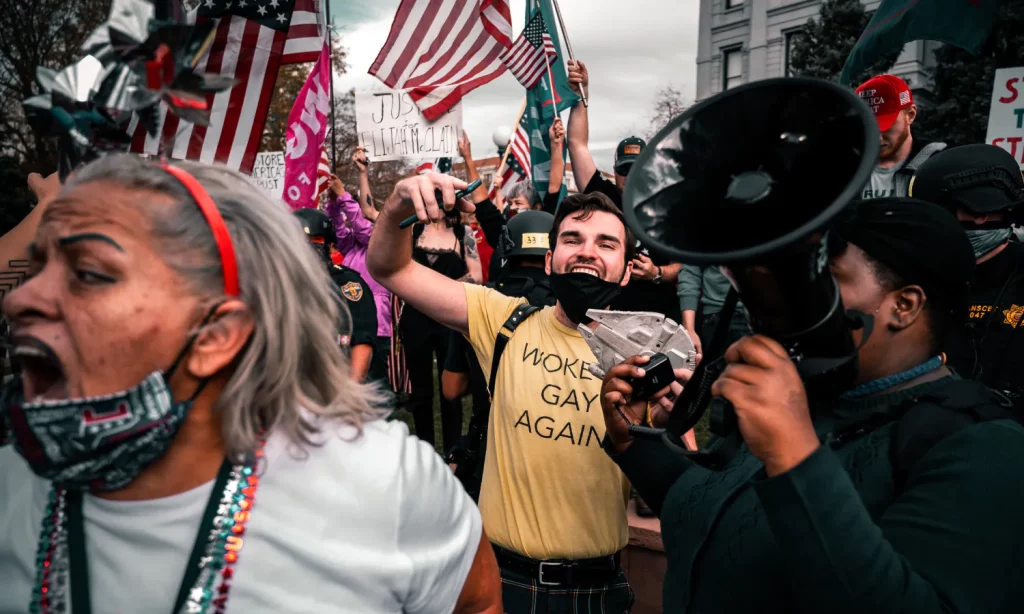
This article unpacks the complexities of social justice movements, questioning the perceived progress and highlighting systemic issues that persist despite visible changes.
Did you know that a staggering 51% of U.S. adults believe companies should publicly address current social and political issues? This figure marks a sharp uptick from 38% in the previous year. It suggests a growing cynicism, yes, but also a pressing desire for change. As I reflect on this phenomenon, it becomes increasingly clear that the quest for social justice often feels more like a series of well-orchestrated performances rather than genuine movements towards equality. It’s a disheartening realization that brings forth a question we should all be asking: Are we really making progress, or are we getting lost in the noise?
Social justice movements have transformed society in significant ways. Yet, as I’ve seen time and again, they sometimes mask deeper, lingering issues under the guise of progress. This reflection will take you through the murky waters of historical context, systemic oppression, and the tidal wave of narratives that shape our understanding of modern activism.
Talking Points:
Let’s start by peeling back the layers of our history. From the abolitionists to the women’s suffrage movement, a lineage of activists has relentlessly fought against oppression. Key figures like Martin Luther King Jr. and Malala Yousafzai illuminate the sacrifices made for civil rights and education. But, what about the historical injustices that have yet to be reconciled?
It’s easy to get swept away by the glimmers of success. Women can vote, and segregation is officially over, right? Not quite! Systemic issues linger, festering beneath the surface like unhealed wounds. Movements that emerged to combat these injustices sometimes neglect to address the outcomes of their predecessors—an unsettling reality that still haunts marginalized communities today.
Talking Points:
Here’s where it gets sticky. Rhetoric often overshadows reality. We hear about equality struggles in grandiose terms, yet, when we look closely, the picture is hazy. Systemic oppression, like a persistent shadow, looms over marginalized communities, indicating that legal advances often do not equate to real change.
Think of recent statistics showcasing that Black Americans are still more likely to face discrimination in housing and employment, even after decades of civil rights activism. The claim is bold, the evidence damning. Just when you think we’re making strides, we stumble upon alarming statistics illustrating continued human rights violations and inequities.
Talking Points:
Now, let’s take a closer look at some movements that dared to challenge the status quo. The #MeToo movement ignited conversations about sexual misconduct, exposing injustices that had languished in silence. Yet, as the narratives unfolded, we saw backlash and reconsolidation of power structures that left many feeling disillusioned.
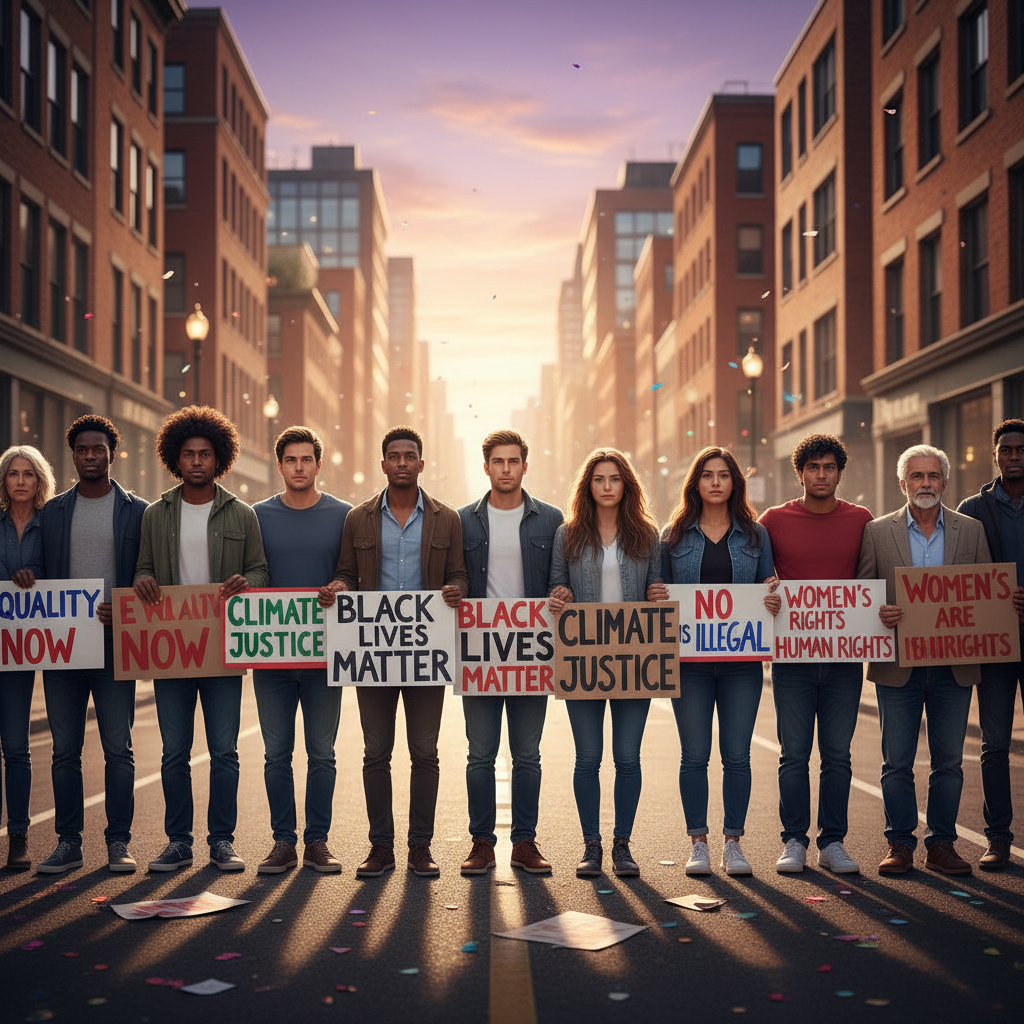
In another instance, the Black Lives Matter movement propelled police brutality into the national spotlight, leading to sweeping discussions about systemic racism. But even these movements face obstacles—like the Ant Hill Effect, where victories can be swiftly undone by resistance from those invested in maintaining the status quo.
Talking Points:
Let’s examine how the media plays puppet master here. Today, social media platforms have redefined activism, enabling grassroots mobilization like never before. Yet, while they can amplify voices, they can also distort narratives. The selective reporting of events highlights some struggles while eclipsing others, raising ethical questions about who shapes our understanding of justice.
Take Twitter, for instance—hashtags can fuel movements, but the sheer volume of content can drown out important stories. It’s a double-edged sword! As I scrolled through timelines, I found myself wondering—are the messages we’re consuming truly reflective of the diverse narratives or merely echoes of popular consensus?
Talking Points:
Let’s not kid ourselves; corporate America must be held accountable too. The rise of corporate activism demonstrates a trend where brands align themselves with popular movements. But I’m left questioning whether it’s sincere or simply a clever PR strategy. We see brands plastering their support all over social media during pride month—enter rainbow-washing. Closing their doors once the confetti settles might be their next move. It’s exhausting.
Research suggests that companies often engage in this form of activism to address reputational challenges rather than a real commitment to social reform. It’s performative, and the repackaging of activism with flashy logos hurts genuine efforts.
Talking Points:
As we navigate these turbulent waters, we must confront the limits of reform. Laws can change, but institutions remain steeped in the oppression of marginalized communities. As I look back to the civil rights era, I marvel at the efforts to dismantle segregation, yet here we are—gaping abyss still between reform and real, lasting change.
Political activism must extend beyond legislative victories. If we want to agitate the system, grassroots movements must persist, applying pressure through activism. Those on the ground often understand the needs of their communities better than politicians ever will.
Talking Points:
As I close this critical lens on social justice, it’s imperative to reflect on our roles. We live in times that demand we rethink, reshape, and restart discussions around social justice.
Let’s move beyond the polished narratives fed to us by brands and media. Ground ourselves in real community solutions that prioritize authentic voices and needs. Let’s build dialogues that appreciate the complexities behind reform versus reality.
I encourage you to engage. Share your experiences, advocate for causes that resonate with you, and challenge the narratives constructed around social justice. Join me in cultivating a community of informed political resistance, driven not by fleeting trends, but by unwavering commitment to true equality.
Social justice movements serve as vital catalysts for change, pushing back against systemic inequalities. They energize public discourse, drive grassroots activism, and hold institutions accountable. Yet, their narratives often need refining to stay authentic and impactful.
Individuals can support social justice movements by amplifying marginalized voices, participating in local activism, and educating themselves about the historical injustices shaping current events. Every small action contributes to broader change.
‘Rainbow-washing’ refers to corporations using LGBTQ+ imagery in marketing without a genuine commitment to the cause. It’s significant because it reveals the tension between commercial interests and authentic support for social justice, often undermining real activists’ efforts.
Media representations can either elevate or undermine social justice narratives. Selective reporting may exaggerate some movements while overshadowing others, shaping public perception based on prevailing media trends rather than complete realities.
To ensure reforms lead to real change, continued pressure from grassroots movements is crucial. Engagement in local dialogues, consistent advocacy, and community-led initiatives can transform legislative changes into genuine social progress.