




Newsletter Subscribe
Join thousands of readers who get our Sunday Briefing: one email, five essential stories, zero fluff. Subscribe NOW!
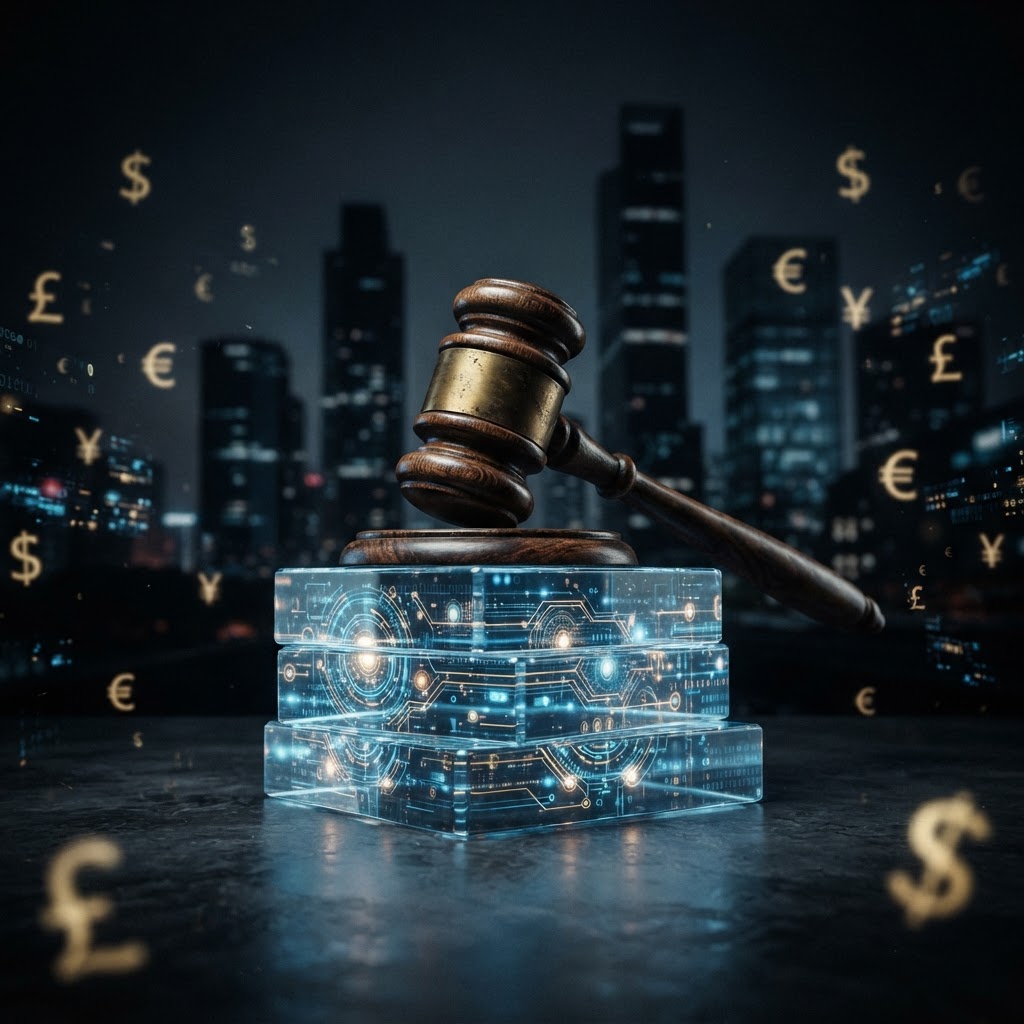
A candid look at the 2026 political campaign finance landscape, where dark money, pop-up super PACs, and Supreme Court rulings have turned our democracy into a high-stakes auction.
Talking Points:
* The myth of individual influence in modern elections.
* How the 2026 political campaign finance analysis reveals a broken system.
* Why your vote is a rounding error in a sea of corporate cash.
Democracy is a charming fairy tale we tell children, but adults know the real score. When I looked at the latest donation spreadsheets, I saw not a reflection of the public will, but a price list for the American future. You think your ballot matters? It is a rounding error in an auction house where the highest bidder buys the floor. This year, the machinery of our government shifted from public service to private extraction. It is painful to watch. The stench of pay-to-play politics is everywhere. If you still believe that a single vote balances the scales against a hundred-million-dollar war chest, I have a bridge in Brooklyn to sell you.
Talking Points:
* The NRSC v. FEC ruling impact on coordinated spending.
* Breaking down the 6-3 Supreme Court decision.
* The end of limits on party-candidate coordination.
On June 30, 2026, the Supreme Court handed down a decision in NRSC v. FEC that essentially turned the lights off on any remaining fiscal sanity. By a 6-3 vote, the justices decided that federal limits on party-candidate coordinated campaign spending were unconstitutional burdens on free speech. Think about that for a second. They cleared the path for the national party apparatus to pump endless mountains of cash directly into specific candidate campaigns. It was the final nail in the coffin of spending regulations. The institutional corruption is now legal, codified, and untouchable. Nobody should be surprised, but it still stings to see the legal seal of approval on the selling of our seats of power.
Talking Points:
* How 2010 changed everything.
* The normalization of unlimited corporate independent expenditures.
* The erosion of election spending transparency.
Citizens United v. FEC was the starting gun for this sprint toward plutocracy. It struck down rules that once kept corporate and union treasuries from buying our elections outright. Every political campaign finance analysis since then has traced the same widening gap between the average citizen and the actual decision-makers. They call it free speech. I call it the institutionalization of bribery. Corporations don’t care about your potholes or your local school board. They care about their bottom line. When they spend, they demand a return. It is simple math, really. We are the ones paying the price for that return, one policy concession at a time.
Talking Points:
* How pop-up super PACs operate during crunch time.
* The dangers of delayed reporting cycles.
* Examples of massive disclosure gaps in 2026.
Have you ever wondered how a PAC can suddenly appear, drop ten million in ads, and vanish before the ink on their filing even dries? Welcome to the pop-up super PAC. They exploit every loophole in the book to keep their donors hidden until the election is over. Take the Fellowship PAC, for instance. They publicly bragged about raising $100 million. Their official filings showed a measly $11 million. That $89 million hole is not an accounting error; it is a feature of a broken system. You are denied the right to know who is buying the candidate you are about to vote for. It is a shell game, and you are the sucker holding the bag.
Talking Points:
* The structural design of the Federal Election Commission.
* Why partisan deadlock is an intentional feature.
* The history of the FEC since 1974.
Created in 1974 after the Watergate scandal, the Federal Election Commission was supposed to be our shield. Instead, it is a decorative paperweight. Because the law requires four of the six commissioners to agree on enforcement, the board is permanently stuck in partisan mud. If one party breaks the rules, their three buddies on the commission simply block any investigation. It is regulatory capture by design. They do not want a watchdog. They want a pet that sleeps through the burglary. I have spent years tracking these cases, and the result is always the same silence.
Talking Points:
* The mechanics of hiding donor identities.
* How electioneering communications sidestep regulations.
* Why voter trust is the primary casualty.
Dark money is the grease that keeps the corruption engine turning. It flows through nonprofits and shell companies until it is scrubbed of all identifying markers. Then, it reappears as TV ads claiming that your local representative is secretly a swamp creature. These electioneering communications don’t have to follow the same rules as candidate campaigns. They are the shadows in our political room. By the time you find out who funded the attack, the damage is already done. It poisons the well of public discourse. We can’t even agree on basic reality when the narrative is bought and sold.
Talking Points:
* Why legislative ‘fixes’ are usually traps.
* The incentives against real campaign finance reform.
* The cycle of promising change while banking checks.
Politicians love to stand on the steps of the Capitol and promise to fix campaign finance. Then, they go right back inside to solicit more checks from the same donors they pretend to fight. It is a beautiful performance. They offer up toothless bills that do nothing but create more paperwork. They never touch the core problem: the money. They don’t want to stop the flow. They want to ensure their own faucet stays wide open. If you want to see a politician smile, show them a bill that limits their own fundraising. You won’t find one.
Talking Points:
* How domestic intermediaries launder foreign interests.
* The vulnerability of election security.
* Why the current disclosure requirements fail to catch foreign cash.
We worry about foreign hackers, but we ignore the foreign cash walking through the front door. Domestic entities can accept money from questionable sources and then bundle it into political spending. It is a sieve, not a wall. We have no idea how much of the $45.3 million raised by the DCCC or the $81.8 million reported by the NRCC came from entities with offshore agendas. When money is this fast and this hidden, national sovereignty is just a suggestion. We are outsourcing our democracy to whoever has the deepest pockets, regardless of where those pockets are located.
Talking Points:
* DraftKings and FanDuel lobbying stats.
* How industry-specific money shifts policy.
* The influence of legalized betting on legislation.
Look at the gambling giants like DraftKings and FanDuel. They have poured millions into federal lobbying and contributions since 2024. That is not charity work. They are paying for friendly regulations, tax breaks, and market access. When companies this big get this close to the levers of power, the public interest gets pushed aside. It is the textbook definition of pay-to-play politics. They get what they pay for, and we pay for what they get.
Talking Points:
* A final critique of the 2026 landscape.
* Why internal reform is a fantasy.
* The power of awareness in a cynical era.
If you are still waiting for a savior in Washington to fix this, you are part of the problem. This system was built to sustain itself, not to serve you. The 2026 cycle is just a louder, more expensive version of the same old rot. Realizing the game is rigged is the first step toward reclaiming your own sanity. You don’t have to play by their rules, and you certainly don’t have to believe their lies. Awareness is the only currency they can’t devalue. Stop feeding the machine with your attention. I want to know what you think. Have you seen these PACs operate in your own district? Drop a comment below and let’s pull back the curtain together.