






Newsletter Subscribe
Join thousands of readers who get our Sunday Briefing: one email, five essential stories, zero fluff. Subscribe NOW!

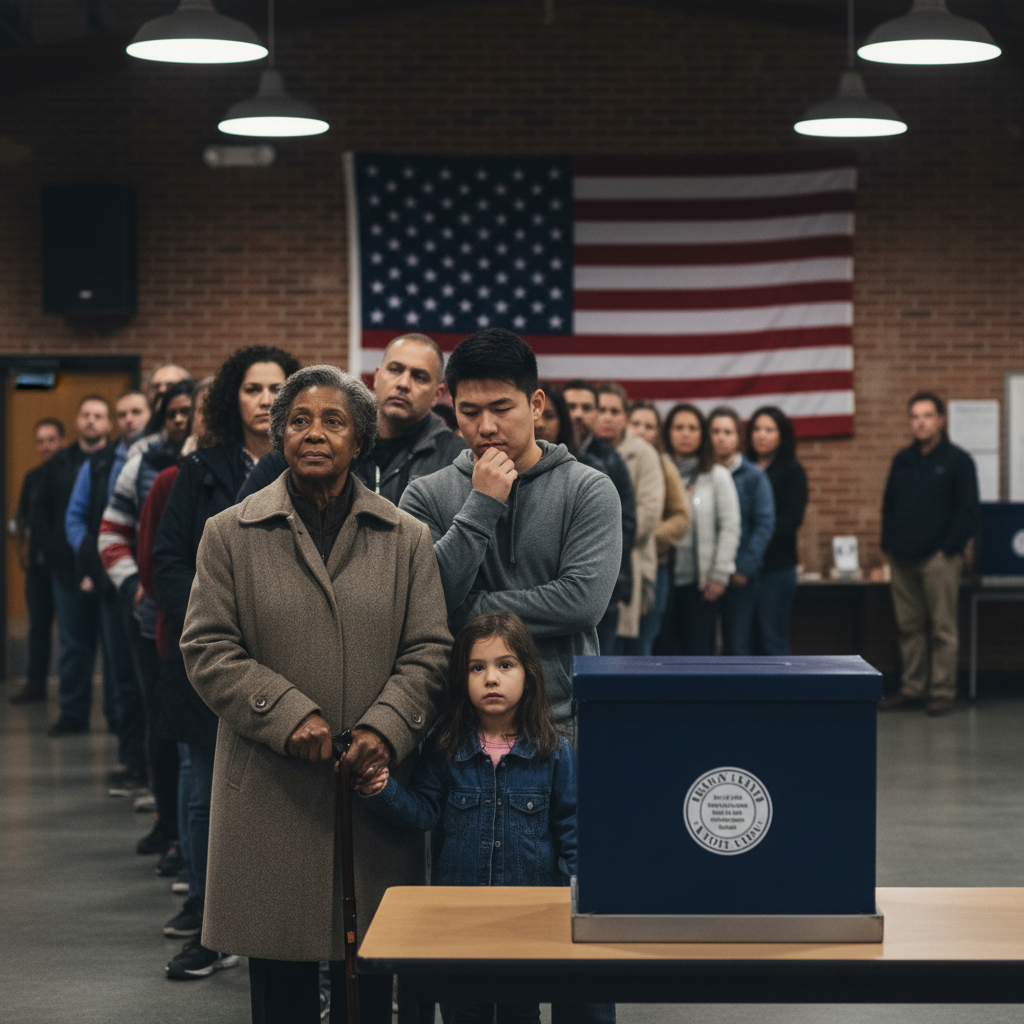
Elections often feel like a masquerade ball where our votes tend to count less than we believe. With systemic issues ranging from voter suppression to money in politics, the democratic process is riddled with flaws that warrant critical examination. How do we reconcile these challenges as we push for reform and accountability?
Introduction: The Illusion of Democratic Choice
Let’s face it, election day can feel like an elaborate masquerade ball. One where we’re asked to believe that our votes truly count. Spoiler alert: they often don’t. From restrictive voter ID laws to the circus of campaign finance, the democratic process in the U.S. is riddled with cracks, and it’s high time we examined those flaws closely. Democracy is supposed to be a bastion of freedom and civic pride, yet how many of us really feel that thrill when casting our ballots? Let’s dig deeper and pull back the curtain on what is often viewed as the ultimate expression of popular will but is more frequently a charade for the affluent and powerful.
Talking Points:
When politicians stand tall on their platforms, speaking passionately about “empowering voters,” they often forget to mention the hurdles many face just to get to the polling booth. Words like empowerment echo through rallies and speeches, but how empowering is it to be met with long lines and unmanageable registration processes? The reality is that most people feel less like voters and more like pawns in a game controlled by those who have something to lose.
Talking Points:
Imagine a game of poker where one player gets a massive stack of chips before the game even starts. That’s basically how our electoral system works—rigged to favor established players. The hatchlings of democracy didn’t raise themselves properly. They’ve grown into a political system full of blinds leading the blinds, with incumbents regularly reshaping the rules to protect their own interests. Yet, we’re still expected to cheer on this charade as if it were some grand spectacle of fair play.
Talking Points:
Let’s talk about voter turnout. We know the stats—roughly 60% of eligible voters participate in presidential elections, but that percentage plummets in midterms. Are we just apathetic? Or are systemic disenfranchisement tactics quietly pushing people away? When you consider the endless rigmarole of voter registration and the sweeping changes to voting laws, it’s a wonder we expect anyone to show up. The fight against voter apathy in this context often feels like re-arranging deck chairs on the Titanic.
Talking Points:
When a candidate debates whether to spend their last campaign dollar on a billboard or community outreach, guess who’s typically pulling the strings? Money. Campaign finance has become the puppet master of our electoral process, dictating who gets to play and who gets to stay. With rich donors pouring millions into campaigns, ordinary voters are left choking on the dust of this monetary parade, feeling their impact trickle away into the coffers of lobbyists rather than rolling in the streets of democracy.
Talking Points:
If there’s a way to guarantee a win, gerrymandering solidifies that. Politicians bend voting districts until they resemble a bizarre art installation rather than a fair representation of the community. It’s not just a matter of being misled; it’s a full-on betrayal of our democratic rights. Sure, both major parties engage in this practice, but when will we demand a redraw of the map that truly reflects the voice of the people instead of the whims of party insiders?
Talking Points:
Ah, voter suppression—the sly fox of our elections. With every strict voter ID law or cut to early voting, we inch closer and closer to an electoral disaster. The folks hit hardest by this suppression are typically those already marginalized, and the irony is heartbreaking. It’s like kicking someone when they’re down, and although the media may pounce at election time to report on the struggle, the push for genuine equality remains painfully absent.
Talking Points:
You’d think in an era of unprecedented access to information, media would be the beacon of enlightenment guiding our political discourse. Instead, we’re often sold half-baked narratives that feed into the polarization machine. The lines between fact and opinion blur so much that figuring out who to trust becomes another thrilling episode of “Survivor: Political Edition.” How do we hold media accountable for the role it plays in shaping our perception without collapsing under the weight of its influence?
Talking Points:
Ever notice how the media loves to scream about polarization? Sure, our political climate is charged, but the fuel behind that fire often seems manufactured. By feeding the narrative, they keep us fighting among ourselves while the real culprits—corruption and power grabs—skate by unnoticed. When did it become easier to vilify the other side than to find common ground? It’s time we take that step to bridge the divide and confront the real issues head-on.
Talking Points:
We elect officials to represent our interests, but how many times do they go off-script right after election day? It turns out most politicians have mastered the art of responsibility dodging. Instead of stepping forward to address pressing concerns, they engage in a delicate dance, saying just enough to stay afloat without actually making waves. Meanwhile, we’re left wondering: who’s really accountable for the issues we care about?
Talking Points:
So, what can we do about it? Are we merely spectators in this poorly-written play, or can we demand a rewrite? Enter electoral reform: the often-debated, rarely implemented remedy for our fractured system. While many ideas, like ranked-choice voting, show promise, they face steep resistance from those unwilling to surrender their power. If we want change, we must engage in the public discourse and support meaningful reforms, every voice matters now more than ever.
As we peel back the layers of our electoral systems, it’s clear that what should be a celebration of our democratic values has morphed into a convoluted set of rituals. The struggle for voter rights, the fight against political dirty tricks, and the demand for accountability aren’t mere abstract topics; they’re the lifeblood of a functional democracy. I invite you to reflect on your role within this process regardless of how disenfranchised you may feel. Election day should be ours, not theirs. Share your tips or experiences with voting below—let’s stir the pot and push for a democracy that actually works for the people!
Q1: What are the main challenges facing our democracy today?
A1: The biggest challenges include systemic voter suppression, the influence of money in politics, gerrymandering, and media polarization, which all contribute to eroding trust in the electoral process.
Q2: How does gerrymandering affect elections?
A2: Gerrymandering allows political parties to manipulate electoral district boundaries, which leads to disproportionate representation and less competitive elections, essentially ensuring that certain parties maintain power regardless of public sentiment.
Q3: What can individuals do to ensure their vote counts?
A3: Individuals can stay informed about voter registration deadlines, understand their rights, engage with local organizations promoting voting access, and participate in elections at all levels to amplify their voices.
Q4: Is media bias a significant factor in political polarization?
A4: Yes, media bias can shape public perceptions by presenting information in a way that reinforces existing beliefs, which can deepen divisions. However, it’s one of many factors contributing to polarization.
Q5: Can electoral reforms make a difference?
A5: Yes, meaningful electoral reforms like ranked-choice voting, automatic voter registration, and transparent campaign finance can enhance representation and give a stronger voice to the electorate, but they require public support to be effectively implemented.