







Newsletter Subscribe
Join thousands of readers who get our Sunday Briefing: one email, five essential stories, zero fluff. Subscribe NOW!

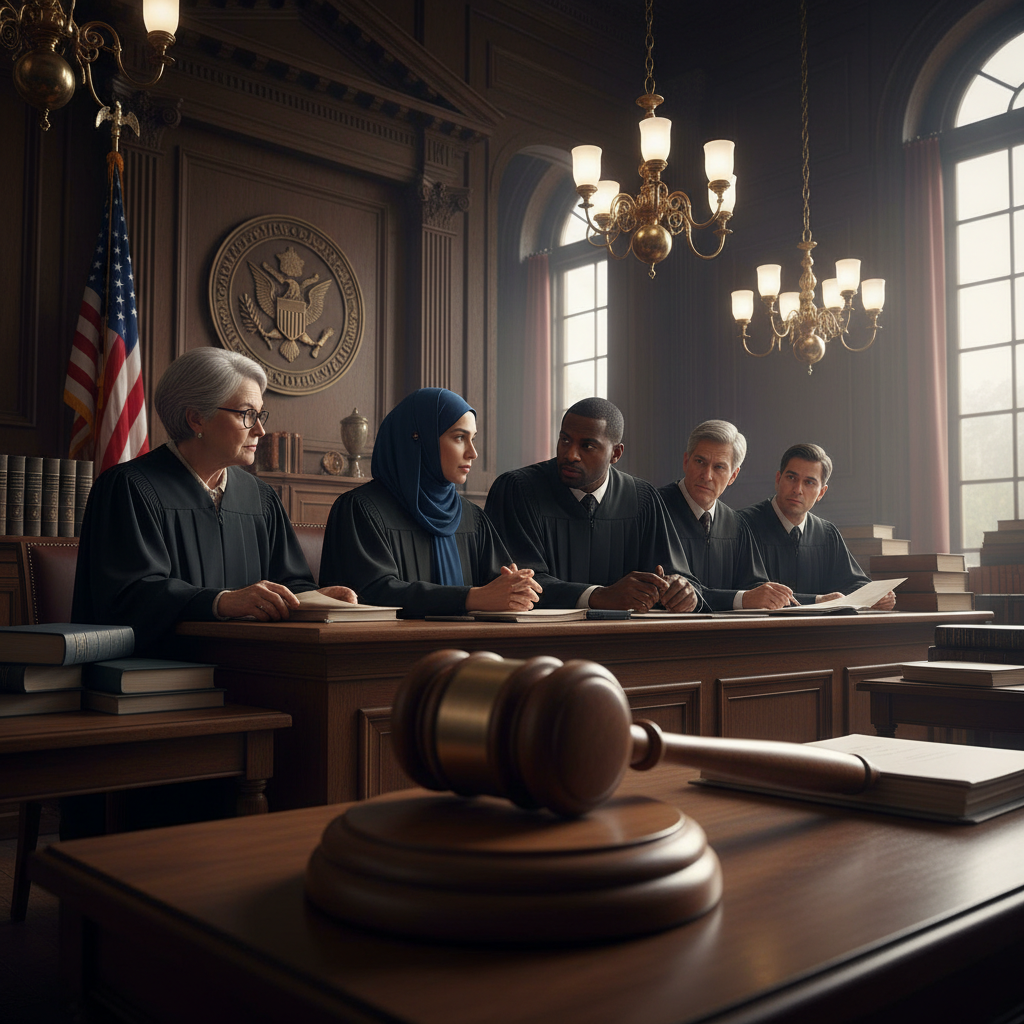
The Supreme Court's 2026 term stands as a milestone in judicial history, marked by controversial rulings that threaten the foundation of civil rights and constitutional governance.
The Supreme Court’s 2026 term may well be remembered as a pivotal moment in American jurisprudence, punctuated by decisions that have left many of us questioning the very fabric of our rights. Picture this: a court that has been entrusted with upholding constitutional principles is instead seen as a vehicle for judicial overreach and a step back for civil rights. Sound shocking? It should!
Every year, the Supreme Court hands down decisions that resonate throughout the country, shaping our laws and social norms. The term in 2026 has shown us a disturbing trend: critical constitutional rights are being undermined in favor of political dogma. From voting rights to reproductive choices, let’s chart this journey through a court that seems increasingly willing to sidestep its own obligations. Strap in – it’s going to be a bumpy ride.
In February 2026, the Supreme Court made a significant ruling regarding former President Trump’s authority under the International Emergency Economic Powers Act (IEEPA). The court ruled that Trump had exceeded his authority by imposing tariffs on over 100 countries without Congressional approval. This decision is crucial not just for the precedent it sets but for what it signifies about the separation of powers.
Once upon a time, it seemed like the executive could stretch its wings too widely without immediate consequence. Now, the Court has emphasized that tariff authority rests firmly with Congress. We should all raise a brow when the executive decides to ride roughshod over legislative prerogative.
In April 2026, in a shocking display of judicial activism, the Supreme Court struck down a Louisiana congressional map that aimed to create a second majority-Black district. The ruling in Louisiana v. Callais raised serious alarms about the ongoing erosion of the Voting Rights Act of 1965. By declaring the map an unconstitutional racial gerrymander, the Court weakened Section 2, which was designed to protect minority representation.
It feels like we’re watching a slow-motion train wreck as we realize the implications this carries. The dismantling of these protections is not just an isolated incident; it’s part of a broader trend against minority rights under the guise of legality.
The Supreme Court’s handling of abortion rights has been especially fraught. In May 2026, the Court extended a freeze on new restrictions regarding the abortion pill mifepristone, allowing for continued access via mail-order prescriptions. While this might sound like a win for reproductive rights, it’s critical to see it as part of the judicial machinations at play.
We’re walking a tightrope here, folks. On one hand, the maintenance of access is crucial; on the other, this is far from a definitive win for those advocating for lasting reproductive rights. The proximity to political agendas and ongoing legal challenges looms large over these decisions.
In a decision that pulled the rug out from under the pharmaceutical industry, the Supreme Court also decided not to hear challenges from six drug manufacturers regarding Medicare drug price negotiations. This was a major blow to those corporations who have long held sway over drug pricing in the U.S.
This refusal to intervene signals a shift toward prioritizing patient access over pharmaceutical profit margins. At least for now, the Court is acknowledging the need for price transparency and government negotiation in a system plagued by high drug costs.
A glaring issue arose when the Supreme Court returned a pivotal Voting Rights Act case involving Native American tribes to the lower courts for reconsideration. This move could have dire consequences for majority-Black legislative districts starting in 2027. The ramifications here speak volumes, as they highlight a lack of regard for tribal sovereignty and representation in the electoral process.
It’s endlessly frustrating when the Supreme Court plays political football with the rights of Native individuals. Will we allow these crucial voices to be pushed further to the margins?
As we look back at the Supreme Court’s decisions in 2026, the pattern of judicial overreach is as clear as day. This isn’t just about individual rulings; it’s about a systemic attempt to undermine rights that have been fought for over decades. We should remain vigilant and resistant to these encroachments.
Understanding the implications of these decisions is critical. Engaging with these topics and advocating for our rights is now more important than ever. Let’s not sit idly by! Share your thoughts in the comments below about how these recent decisions may impact you and your community!
The 2026 term saw significant decisions undermining voting rights, reaffirming tariff authority, and preserving access to the abortion pill mifepristone.
Recent rulings have weakened protections under the Voting Rights Act, particularly targeting minority representation, which could lead to disenfranchisement in future elections.
The ruling emphasized the necessity for Congressional authority over tariff imposition, marking an important victory for the separation of powers.
While there are current protections for the abortion pill, the ongoing legal landscape remains precarious, highlighting the need for active advocacy in reproductive rights.
The case underscores the ongoing struggles with tribal sovereignty, representation, and the impact of judicial decisions on Native communities’ electoral power.