




Newsletter Subscribe
Join thousands of readers who get our Sunday Briefing: one email, five essential stories, zero fluff. Subscribe NOW!

Explore the vital WordPress security best practices every site owner should know. From strong passwords to the importance of updates, this no-nonsense guide lays it all out.
Getting hacked sucks. It’s a real kick to the gut, especially when you consider that in just a couple of days, over 8.7 million attempts were targeted at exploiting outdated plugins. Yes, you heard that right. For every 10 WordPress sites you see, at least 7 of them have exploitable vulnerabilities! That’s not just a statistic; it’s a wake-up call for anyone who thinks a simple password will keep their website safe.
The world of WordPress security is not for the faint-hearted. If you’re running a site, you must understand the risks you face every day. So let’s cut to the chase and tackle some realities about securing your WordPress site.
Talking Points:
You might think that once you install a handful of security plugins, you’re good to go. Spoiler alert: you’re not! Security can’t just be a tick in a box; it’s an ongoing commitment. The idea of ‘set and forget’ is delusional. Automated updates can break functionality, and you can find yourself with a site that’s live but not functioning.
What’s the solution? Regularly log in and review your site’s metrics. Use dashboards, and check your logs frequently to spot anything unusual. Remember, your site is your responsibility, and negligence can cost you.
Talking Points:
WordPress remains the most popular CMS, which sadly makes it a prime target. According to recent stats, outdated plugins are the single largest vector for breaches. Let’s be real, if your site isn’t updated, it’s essentially an open invitation for hackers.
And don’t get me started on passwords! You think “123456” is a proper password? Think again. Strong, unique passwords combined with two-factor authentication can save you from headaches in the future. This isn’t just guesswork; it’s a matter of survival in the digital world.
Talking Points:
Look, security plugins are great—if used correctly. But that’s just it. They don’t fix every issue. Placing all your trust in these tools is like putting a Band-Aid on a bullet wound.
Instead, think of security as an ecosystem. A solid foundation includes user access control, regular audits, and embracing the necessity of updates.
Talking Points:
I can’t stress this enough: if you’re not regularly updating your site, you’re practically waving a flag saying, “Please hack me!” Regular updates not only maintain functionality; they patch critical security holes that hackers are just waiting to exploit.
Set a calendar reminder or use a tool. Whatever you need to do, just do it. Updates are non-negotiable.
Talking Points:
Don’t fool yourself into thinking that a theme labeled “secure” means your site is safe. Many themes and plugins advertise security but fail to deliver in practice. Just a few moths back, I chose a highly-rated theme, only to find out it had serious vulnerabilities.
Spend time researching. Choose themes from reputable developers who provide regular updates. Trust me; it’s worth it.
Talking Points:
Here’s a cold, hard fact: shared hosting environments can be a nightmare. If one site gets compromised, all sites on that server could get affected. Think about it. It’s like living in an apartment building where your neighbor keeps leaving the front door unlocked.
Opt for isolated hosting solutions or, at the very least, understand how your host provides security. It’s a tough world out there, and you need to prioritize your site’s safety.
Talking Points:
Passwords only provide the first layer of protection. Strong authentication practices, especially two-factor authentication (2FA), significantly raise your site’s security bar. Setting up 2FA may feel cumbersome at first, but it’s a small price to pay compared to the trauma of having your site hacked.
Encourage all users, especially admins, to adopt these practices. The more educated everyone is about potential risks, the better your overall security.
Talking Points:
Have you ever checked your file and database permissions? If not, they might be set to default, which is often too permissive! Just like a house with all doors unlocked, this invites trouble.
Take some time to understand what permissions are necessary. Audit them regularly and adjust to restrict access as needed. It’s a simple but powerful step in hardening your website security.
Talking Points:
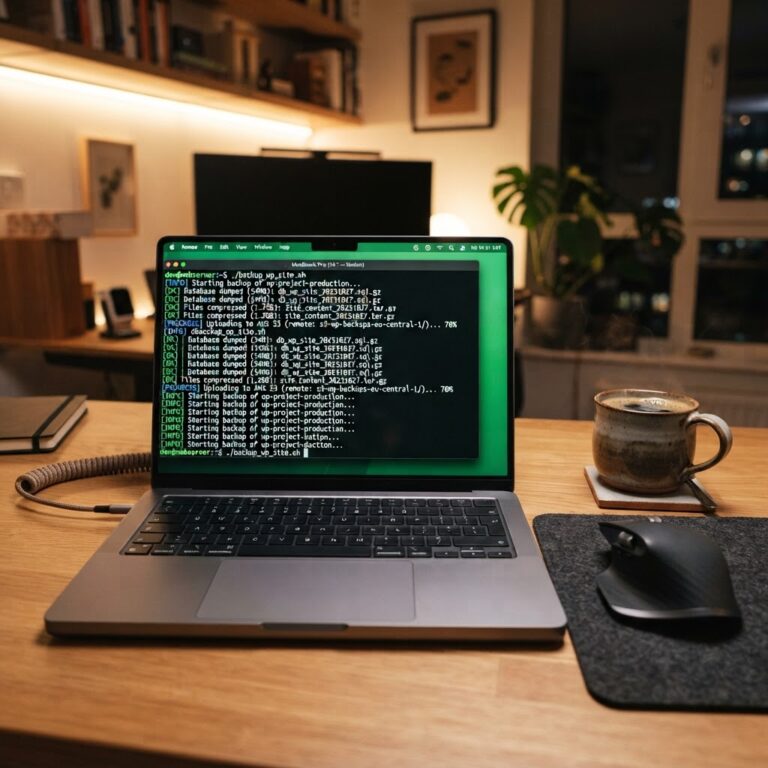
Imagine waking up one morning to find your site completely down and you have no backup. Scary, right? Backups are your lifeline if something goes wrong. Don’t just take them for granted; ensure they’re performed regularly and test the restoration process.
Consider storing backups offsite. Cloud storage is a great choice, allowing you quick access without worrying about local hardware failures. No excuses here. Just do it.
By now, it should be painfully obvious that a proactive mindset is crucial for WordPress security. You can’t sit back and hope for the best. By embracing regular updates, strong authentication, and comprehensive site monitoring, you’re setting yourself up for success—away from the dark shadows of hack attempts.
So, take charge of your security today. Share your experiences or ask questions in the comments; let’s get this discussion rolling!
The biggest threat is outdated software, especially plugins, which are the single largest vector for breaches.
Very important. Weak passwords can easily be cracked, putting your entire site at risk. Always use complex, unique passwords.
No. Not all security plugins are equal. It’s important to research and choose reputable options with regular updates and support.
Use reliable backup plugins and consider offsite storage solutions like cloud drives for added safety against data loss.
Shared hosting can pose risks as one compromised site can affect others. It’s safer to consider isolated hosting solutions when possible.