




Newsletter Subscribe
Join thousands of readers who get our Sunday Briefing: one email, five essential stories, zero fluff. Subscribe NOW!

In 2025, WordPress faced over 11,000 new vulnerabilities. This no-nonsense guide uncovers advanced security measures every site owner must adopt to protect their platform effectively.
You might think your WordPress site is safe and sound, hiding behind a veil of plugins and updates. Surprise! In 2025 alone, over 11,000 new vulnerabilities were discovered in the WordPress ecosystem, a staggering 42% increase from the previous year. If you’re feeling a stomach knot of anxiety, you’re not alone! Most people overlook this reality, believing that their site is fortified just because they ticked a few boxes in a security plugin. Let’s face it, ignoring this issue would be like leaving your front door wide open, hoping nothing bad happens.
Talking Points:
Just check the data: nearly 58.9% of all new vulnerabilities in 2025 required no authentication at all. That’s correct—no password or any other verification. It’s like an all-you-can-eat buffet for hackers. The reality is that as long as you’re working with WordPress, you need to keep your defenses up. Many site owners get lulled into a sense of tranquility, putting their trust solely in their security measures while overlooking the fundamentals. This naïveté can be a costly mistake.
Talking Points:
If you think you can just install one of those WordPress security plugins and call it a day, I’m here to knock some sense into you. Seriously, a security plugin can only do so much when it comes to protecting against increasingly sophisticated threats. In fact, over 50% of plugin developers didn’t even release a security fix before public disclosure in 2025. Woohoo! Way to assume your site was safe!
Do you remember the last time you updated your theme or plugins? If it’s been a hot minute, congratulations, you might just be sitting on a gold mine for hackers. What’s the point of even installing that security plugin if you’re not going to update?
Talking Points:
Outdated plugins are basically welcome mats for hackers. In fact, most attacks often exploit existing vulnerabilities in plugins. When I first started with WordPress, I used to ignore those update notifications. I thought, “What’s the worst that could happen?” After a brutal experience with a hacked site, I don’t joke around anymore! Updating should be your mantra.
I recommend setting up a schedule for checking updates weekly. Yes, weekly! Live in the browser, look around, and make sure your site is as updated as your smartphone.
Talking Points:
Security plugins can’t do it all; they’re tools, not catch-alls. You need to take an active role. Think of it like this: if your friends locked their doors but left the windows wide open, you’d probably question their judgment, right? That’s the same way it works with your website. Rather than relying solely on plugins, invest time in hardening your site through multiple layers of security.
Consider implementing two-factor authentication or even using a web application firewall. These add extra walls to whatever flimsy castle you’ve built.
Talking Points:
You think you have a secure password? Let’s talk passwords. In fact, during 2025, brute force attacks spiked by 45%, fueled by AI-powered botnets. You may feel invincible with your clever phrases or favorite pet’s name, but trust me, hackers have already cracked that code.
Implementing a user access control system ensures that only necessary personnel have access to sensitive parts of your site. In my early days, I used to give every team member the same password. Big mistake!
Talking Points:
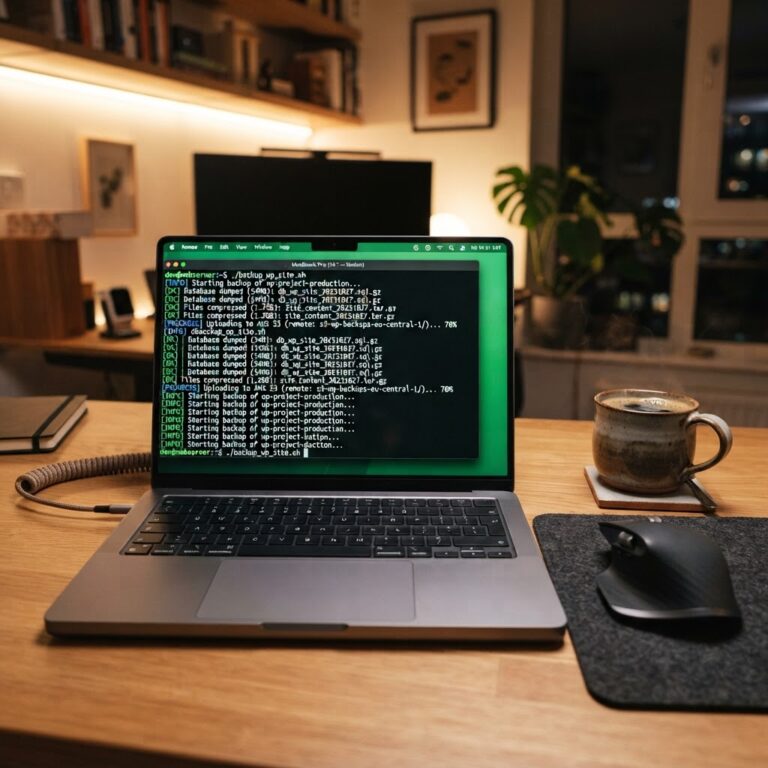
If you’re not regularly backing up your site, you’re flirting with disaster. When I experienced my first major security breach, losing months of work felt like a punch to the gut. Now, I back up my sites religiously, using a combination of local and cloud-based solutions. Tools like UpdraftPlus can do wonders—automatically backing up and storing your files in the cloud.
Because let’s be real: if everything goes south, you’d want a safety net, wouldn’t you? Backups don’t just save you; they restore peace of mind.
Talking Points:
Misconfigured servers? A nightmare waiting to happen. Sadly, many site owners give little thought to server security. You’ve got to consider everything; from file permissions to the setting of SSL/TLS certificates. These simple steps can prevent your site from becoming a hacker’s playground.
And don’t forget—perform regular audits of server configurations. The manner in which you set up servers can be the skeleton key for a hacker. Get it right, and you keep them out.
Talking Points:
Let’s take a moment to pat ourselves on the back for regularly reviewing updates. Security updates are literally the lifeblood of your WordPress site. Each new version of the WordPress core or plugins brings essential patches to vulnerabilities that are often exploited by hackers.
In my experience, failing to do updates has been the most extraordinary lesson; losing control over my site wasn’t just a mere inconvenience. It took days to recover. So, stay on top of those updates—it’s your security lifeline!
You’ve got to take WordPress security seriously. The statistics speak for themselves, and ignoring them will cost you—maybe not today, but probably tomorrow.
I urge you to put the time in, explore what measures fit your unique needs, and don’t fall into the trap of complacency. Do you have a security strategy? If not, it’s time to craft one. Did anything resonate with you in this guide? Share your experiences and tips in the comments below!
Q1: What are common WordPress security vulnerabilities?
A1: Common vulnerabilities include outdated plugins, weak passwords, and server misconfigurations. Keeping your plugins updated and using strong, unique passwords can significantly reduce your risk.
Q2: How often should I back up my WordPress site?
A2: Ideally, back up your WordPress site weekly. If you have a site with frequent updates, consider daily backups to ensure you don’t lose valuable data.
Q3: Are security plugins enough for WordPress security?
A3: While security plugins add a layer of protection, they shouldn’t be your only defense. Combine them with strong passwords, regular updates, and backups.
Q4: What is two-factor authentication, and why is it important?
A4: Two-factor authentication adds an extra step in the login process, requiring both a password and a second verification method, such as a text code. It significantly enhances security by making unauthorized access more difficult.
Q5: How can I improve my website’s password security?
A5: Use a mix of uppercase letters, lower case, numbers, and symbols. Avoid common phrases and consider using a password manager to create and store strong, unique passwords for different accounts.