







Newsletter Subscribe
Join thousands of readers who get our Sunday Briefing: one email, five essential stories, zero fluff. Subscribe NOW!
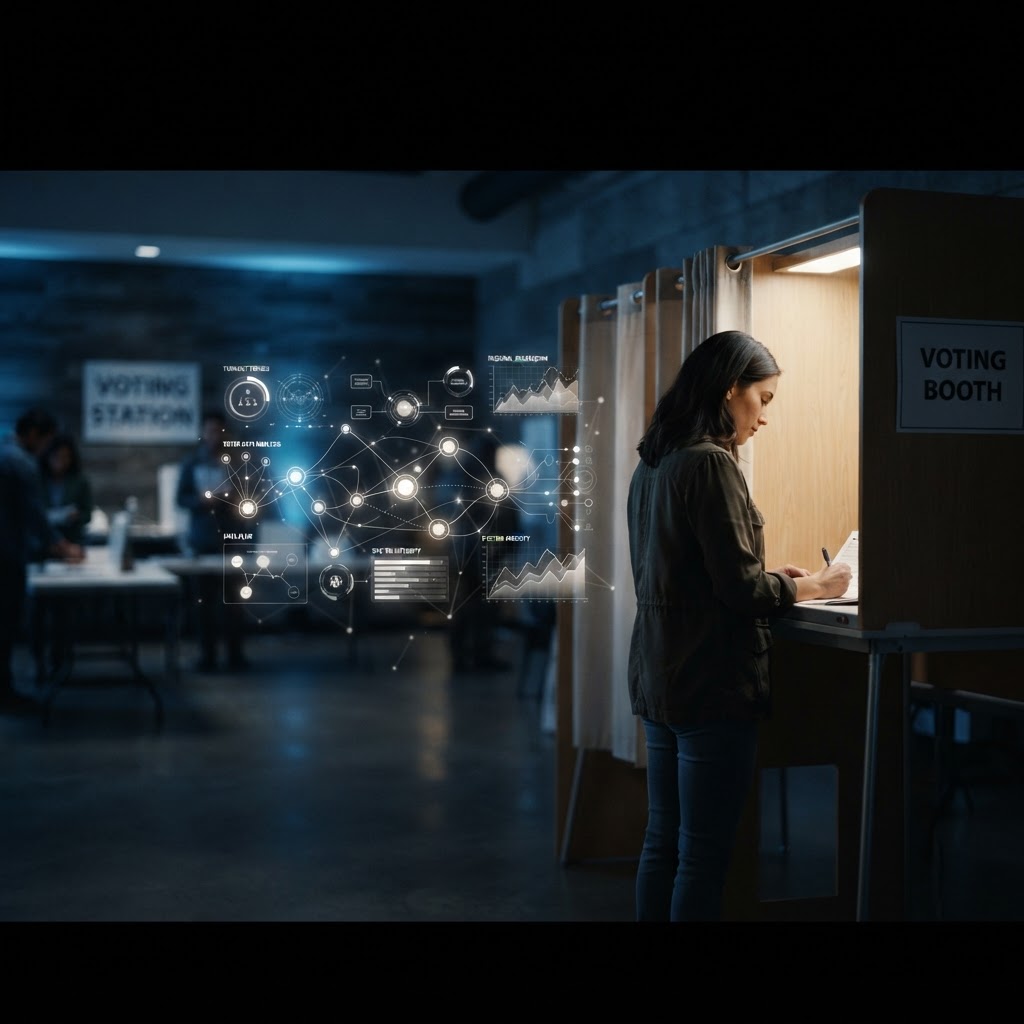
Politics is a loud, expensive show. Your vote is only half the story in an election cycle that prioritizes performative theater over real systemic change.
Talking Points:
Politics is a loud, expensive show. You watch it, you cheer, you get angry. Then nothing happens. I have watched this spectacle for decades. It never changes.
We pretend that a single vote fixes systemic political dysfunction. It does not. The election cycle analysis shows a repeating loop of noise meant to keep you busy while the real work happens behind closed doors.
Campaigns are just ads. They sell a brand, not a solution. You are not a citizen; you are a target demographic.
Talking Points:
They need you distracted. If you look at the real issues, you might realize how little they care. So they create a circus.
Performative politics is the name of the game. They bait you with culture wars. Meanwhile, the actual machinery of state grinds on, immune to your outrage.
I remember getting worked up over a debate once. I thought my guy had won. A month later, the policy stayed the same.
Talking Points:
Money owns the outcome. It is a simple equation. Donors pay, politicians promise, lobbyists finish the job.
Campaign finance impact is not a theory. It is the core of legislative gridlock. If a donor wants a law, it gets written. Your ballot is a suggestion.
I stopped believing the fairy tales about humble origins years ago. Everyone needs cash to play. The cash comes with strings.
Talking Points:
Algorithms love anger. They feed you what you want to see. This helps define the cycle of political polarization.
Research proves very few people live in true bubbles. We still see enough from the other side to know it exists. Yet we act like we are in a civil war.
This is a choice. You choose to ignore the facts that bother you. The media helps you stay comfortable.
Talking Points:
Two teams, same stadium, same result. They make you think they are opposites. Look at the policies once they win.
They swap colors and slogans. The tax code stays. The wars continue. The deficit grows.
I tell people to look at the money. Forget the speeches. Follow the cash and the choice vanishes. It is always the same winner.
Talking Points:
Your brain lies to you. It wants to protect your tribe. You ignore evidence that hurts your team.
We call this cognitive bias. It makes voter manipulation techniques easy. They just have to push the right buttons.
I have seen friends lose their minds over tweets. It is just text on a screen. Why let a politician control your blood pressure?
Talking Points:
Policy is boring. It is math and long meetings. That does not sell tickets to the rally.
So we get performance. We get staged photos and angry soundbites. This makes the election cycle analysis look like a soap opera.
It is easier to hate the other side. It is harder to read a budget report. Guess which one they want you to do?
Talking Points:
Sometimes, walking away feels like winning. It is not. That is exactly what they want.
Incumbency advantage thrives on low interest. If you do not watch, they can do whatever they want. Your apathy is their best friend.
I get the fatigue. It is exhausting to care. But you must at least pay attention to the theft.
Talking Points:
Stop waiting for a hero in a suit. They are not coming. Power is local. Power is in the things you actually control.
Look at your city council. Look at your local schools. That is where policy touches your life.
I have found more success fixing a pothole than complaining about a president. Start where you can win.
Talking Points:
The system is not broken. It works exactly how it was built. It was built to exclude you.
Quit watching the show. Stop buying the marketing. Start reading the documents yourself.
How do you handle the noise? Tell me how you find the truth in the comments below. Let us stop pretending.
Research shows they are only one small part of the problem. Many people have mixed media diets, but the loud minority in online spaces drives the perception of deep division.
Donors provide funds to ensure access to politicians. This access allows them to shape legislation, often in ways that contradict the stated goals of the general public.
High turnout is usually driven by fear and tribal identity. People are not always voting for a candidate; they are voting to keep the other side from winning.
Local votes matter more because the margin is smaller. You have a real chance to influence schools, zoning, and police, which impact your daily life more than national rhetoric.
Question the source of the ad. Look at who paid for it. Ignore the emotional hooks and try to find the actual bill or policy proposal mentioned.