








Newsletter Subscribe
Join thousands of readers who get our Sunday Briefing: one email, five essential stories, zero fluff. Subscribe NOW!

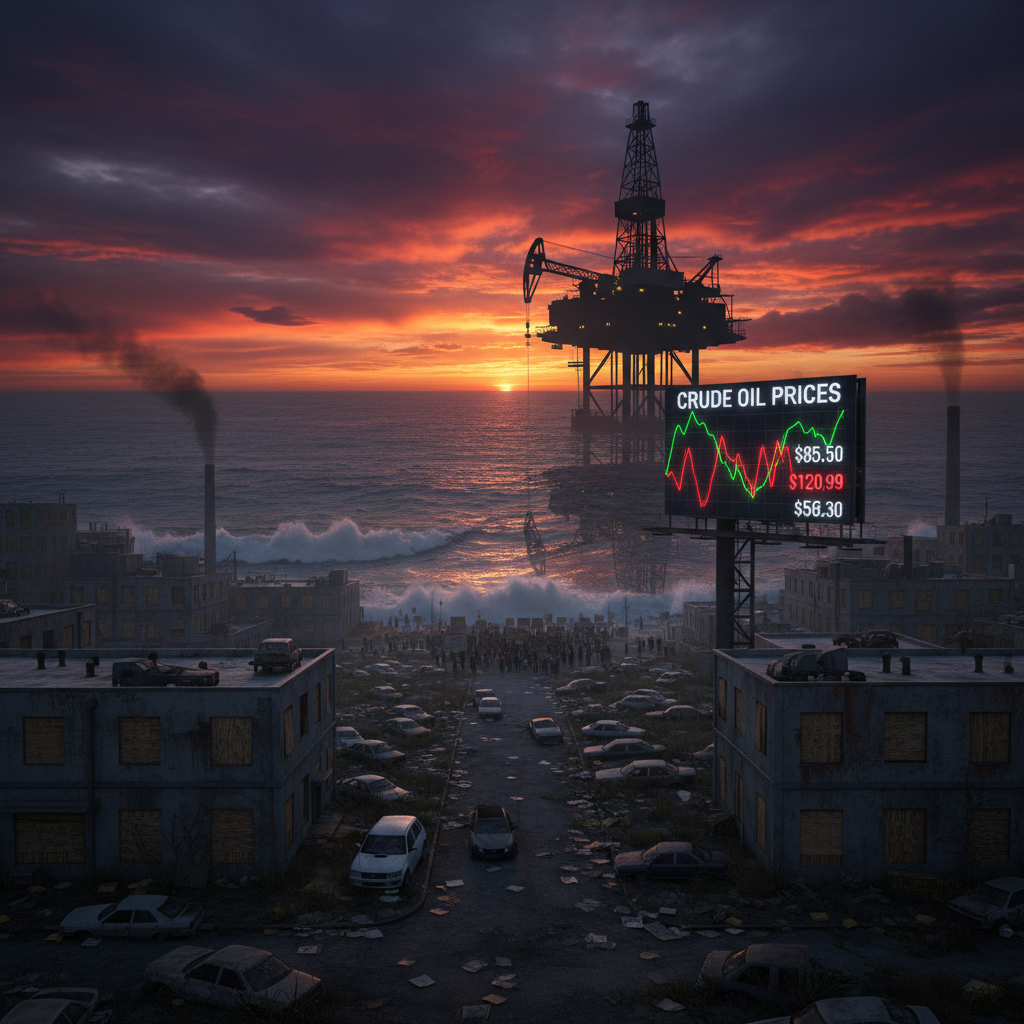
The oil price surge of 2026 is not just a number; it's a troubling signal of deeper geopolitical tensions and economic ramifications. In this comprehensive analysis, we confront the realities behind the surge, examining everything from the Middle East conflict to future energy strategies.
When I glanced at the news one morning in March 2026, I couldn’t help but do a double-take. Brent crude prices had shot up to about $73 per barrel—one-fifth higher since the start of the year! It’s wild to think about how one conflict can ripple through economies and our everyday lives, isn’t it? The rise in oil prices is more than just numbers on a screen; it’s a signal of deeper, more troubling trends that demand our attention.
The oil price surge of 2026 is fueled by a mix of global tensions and economic shifts. As consumers and businesses alike feel the pinch, we must critically assess what’s driving this surge. It’s not just economics; it’s geopolitics, territory disputes, and our collective oil dependence that comes into play. Let’s unpack the uncomfortable truths behind this spike and what it means for our future.
Talking Points:
When conflicts flare in the Middle East, it’s not just the locals who pay the price. The global oil market reels from the shockwaves. The ongoing Middle East conflict has created a perfect storm for oil price volatility. With 20% of the world’s oil passing through the Strait of Hormuz, escalating tensions here have an immediate impact on global oil supply.
Historically, we know that wars and oil prices dance a well-rehearsed tango. Going back to the oil embargo back in the 1970s, every time there’s a crisis in the Middle East, Brent crude prices leap. The rise in oil prices in early 2026 is no exception; it echoes the lessons of the past, reminding us always to look at the bigger picture and how war influences not just oil supplies but our daily lives.
Talking Points:
I still remember the anxiety about the Strait of Hormuz. This narrow passage is one of the most significant chokepoints for oil transportation worldwide. A mere disruption here sends our gas prices soaring. When military tensions rise in the vicinity, it’s like rushing to the gas station for fear the pumps might run dry.
Sure, there are discussions about alternative transportation routes, but they’re generally less efficient and more costly. Besides, building those alternatives takes time. For now, as the conflicts rage on, the geopolitical implications heighten anxiety among investors and consumers alike. It’s a bitter reminder of our reliance on these critical waterways—and how shaky the global oil supply really is.
Talking Points:
Let’s talk about the folks behind the curtain—refiners and oil-producing nations. When turmoil strikes, refining capabilities get disrupted, leading to shortages. OPEC is always in play, adjusting supply to influence prices, but they can only do so much. It’s like trying to balance a see-saw; one end always seems to tip over.
Emerging economies, already on shaky ground, feel the bite of rising oil prices more than most. Inflated import costs wreak havoc on their already stretched budgets, leading to spiraling inflation rates. A process that seems so distant yet has immediate effects on everyday families: fewer meals on the table, energy bills rising sharply, and overall quality of life diminishing.
Talking Points:
There’s no telling where oil prices will end up—which is enough to keep any economist up at night. Some analysts see further spikes, while others cling to the idea that the market will stabilize. The truth is likely somewhere in between.
A critical factor to watch is how quickly countries pivot towards renewable energy sources. If we can lessen our dependence on oil—whether through technological advancements or policy shifts—maybe, just maybe, we can buffer ourselves against these unpredictable swings in prices.
Talking Points:
It’s hard not to feel frustrated by how interwoven oil prices and geopolitical conflicts are. Any serious discussion about oil market stability naturally brings politics into the mix. Political decisions made thousands of miles away directly impact whether we pay $3 or $5 at the pump.
Time and again, we’ve seen how sanctions and trade policies reshape global oil dynamics. As countries play their cards, citizens—us—are left holding the bag, wondering how long this dance can continue without stepping on each other’s toes.
Talking Points:
Let’s not sugarcoat it: rising oil prices have a host of economic repercussions that trickle down to everyday life. Every time I swipe my card at the pump, I’m reminded that oil prices contribute to inflation, impacting everything from groceries to housing. It’s not just the gas pump—it’s the entire economy tightening its belt.
When inflation spikes, it leaves individuals scrambling to make ends meet, tightening wallets and reducing consumer spending. Such shifts impact future investments in energy, potentially leading to a less robust economy for years to come.
Talking Points:
Then there’s the elephant in the room: climate change. The rising oil prices due to conflicts remind us of our fossil fuel dependency along with our responsibility to seek cleaner energy alternatives. Economic needs often overshadow environmental concerns, but volatility can spur movements towards sustainability.
More communities are advocating for green energy, now recognizing the long-term impact on global warming. With rising energy demands amid political strife, the conversation about a sustainable future is elevated. We can’t afford to ignore it—our planet depends on a collective wake-up call.
Talking Points:
With all this chaos, one thing’s evident: we must rethink our dependence on oil. The future of energy lies in diversification, where renewable sources play a front-row role in powering nations.
Countries that invest in energy independence—solar, wind, hydro—aren’t just seeking to reduce costs; they’re preparing to insulate their economies from oil price shocks and geopolitical squabbles. As investors, there’s an opportunity here, too. Engaging in sustainable technologies offers patterns of growth that skirt around oil’s volatility.
As we reflect on the surge in oil prices throughout 2026, it’s clear that we’ve got to rethink our strategy. The intertwining of oil markets with geopolitical issues shows us just how fragile our energy systems can be. It’s frustrating to acknowledge, but through understanding these dynamics, we might take proactive steps toward energy resilience.
Whether we’re concerned consumers, investors, or policymakers, urgent engagement is necessary. Let’s harness this moment to share strategies, experiences, and knowledge to advocate for our future.”
I’d love to hear your thoughts. How are rising oil prices affecting your daily life? Share your stories in the comments below!
What triggered the oil price surge in 2026?
The oil price surge in 2026 was largely triggered by ongoing conflicts in the Middle East, with reduced oil supplies creating significant volatility in global prices.
How does the Strait of Hormuz affect oil prices?
The Strait of Hormuz is a critical chokepoint for global oil transport, with approximately 20% of the world’s oil passing through. Any disruption in this area can lead to immediate price spikes.
What are the implications of rising oil prices for consumers?
Rising oil prices typically result in increased costs for everyday goods and services, leading to higher inflation rates and putting financial pressure on consumers.
How can consumers prepare for volatile oil prices?
Consumers can prepare by exploring alternative transportation methods, considering fuel-efficient appliances, or investing in green energy solutions to reduce dependence on oil.
Is there potential for oil prices to stabilize?
While some analysts predict ongoing volatility, a shift toward renewable energy sources and changes in geopolitical climate may allow for stabilization in the long term.