








Newsletter Subscribe
Join thousands of readers who get our Sunday Briefing: one email, five essential stories, zero fluff. Subscribe NOW!

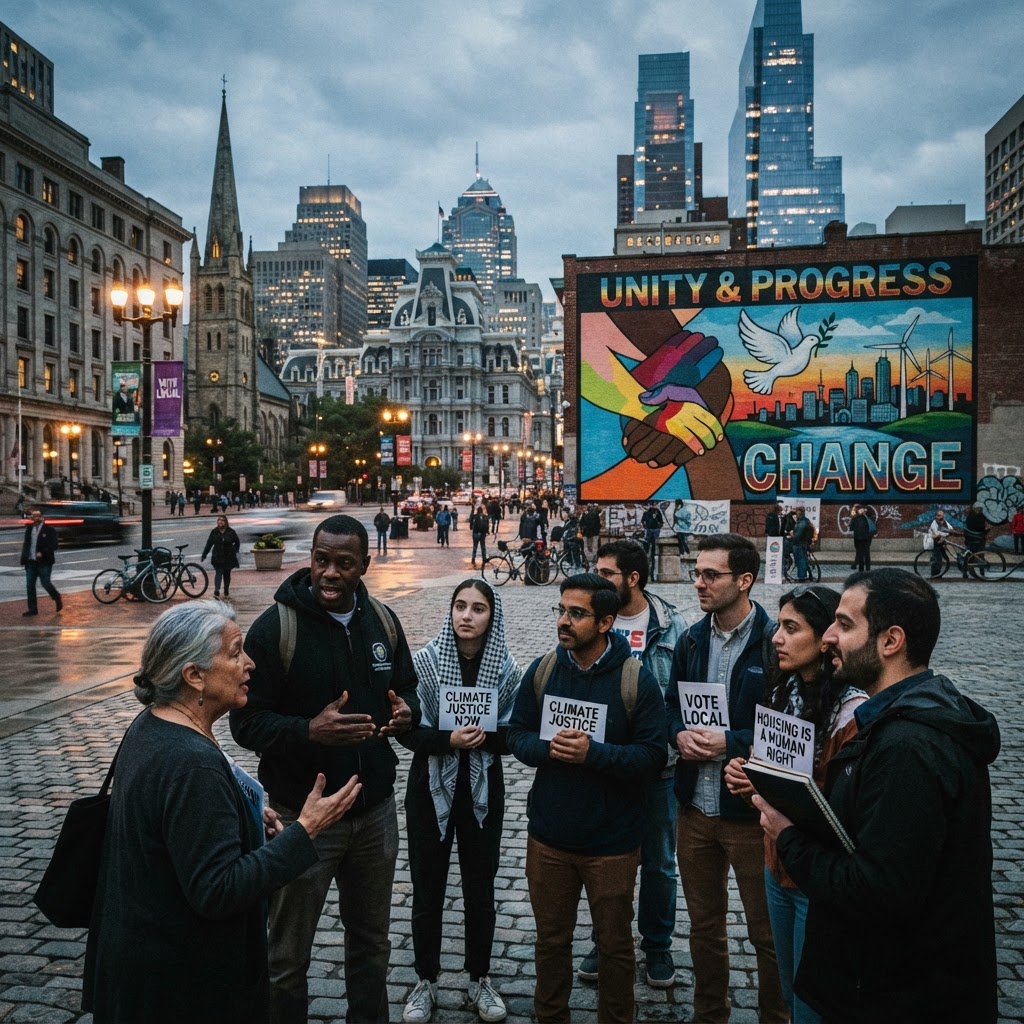
Explore the critical aspects of progressive political analysis with an assertive, no-nonsense approach. Challenge conventional narratives and engage with the realities of economic inequality, systemic corruption, and the role of active citizens in fostering real change.
It’s a bitter pill, yet hard to swallow when you see the numbers: the richest 10% of the global population owns a staggering 75% of all wealth. The bottom half? They’re left scrapping for just 2%. It’s not a fairytale; it’s a reality that stings like a slap across the face. Suddenly, all those lofty campaign slogans we hear during election cycles fall flat, don’t they? When you pull back the curtain, what’s left is a grim picture of systemic inequality that demands our attention.
While conventional political theater might distract you with optics and soundbites, I’m here to make you think. The terrain is littered with empty promises and self-serving rhetoric, instead of any meaningful action to address the economic inequality reform we so desperately need. It’s time to dissect progressive political analysis without the smoke and mirrors.
Talking Points:
Most of us have heard the word “progressive” thrown around like confetti on the Fourth of July. But what does it actually mean in practice? A cursory glance at the modern political landscape reveals that this term has become little more than a buzzword—a jumping-off point for campaign slogans rather than a pledge to enact real change. Progressivism, in its essence, is supposed to center around social justice and economic equity, yet we often find ourselves knee-deep in performative politics instead.
Rebuilding a concrete progressive agenda requires deep dives into policy, not just hollow words. Let’s pull a muscle or two and start asking tough questions about what separation exists between discourse and genuine action. In this age of political polarization, advocating for policies that address the vast divides in our society feels like tossing a bucket of water into a forest fire.
Talking Points:
Neoliberal capitalism—sounds like a heady concept, right? But let’s break it down without slipping into jargon. In its simplest form, neoliberalism promotes the idea that markets are better than governments at solving problems. Great in theory, but in practice? We see this translate into policies that seemingly favor corporate interests over people’s needs. We’re talking about tax breaks for billionaires while cutting social welfare programs. How is that ‘progressive’?
This mirage tells us that economic growth will trickle down to everyone. Spoiler alert: it doesn’t. We’re witnessing a tragic comedy as those at the top hoard wealth while the rest struggle to get by. Neoliberal policies vastly reinforce economic inequality, effectively locking many out of social mobility.
Talking Points:
Let’s talk tax policy—one of the most effective levers of power in our capitalist society. The current tax code is utterly convoluted; you’d think that the intention was not fairness but confusion. It’s clear that those in the top 0.001% know how to use loopholes better than most of us can use a stapler. Meanwhile, the Gini coefficient in the U.S. hit an alarming 0.74 in 2024. Can you believe it?
This is about systemic change and wealth redistribution. It’s about ensuring the working class isn’t trampled underfoot by an ever-growing load of taxation without representation. Real progressive policy impact isn’t just about the rhetoric; it must make a concrete difference in the lives of ordinary people. We can’t just sit back and hope that the tide will turn. Grassroots mobilization offers a genuine path toward economic justice—let’s embrace it.
Talking Points:
Let’s face it: corporate money holds far too much sway in our democratic processes. Just look around—lobbyists seem to be the behind-the-scenes puppeteers of Congress. With 72% of Americans worried about major donors and lobbyists having too much influence, it’s time we address this rigged game. The question isn’t whether it’s happening; it’s how much longer we’re going to tolerate it.
When money talks, real public interest is drowned out in an echo chamber of cash. This isn’t just about dollars—it’s about distorting our democratic values and siphoning away equitable opportunities. What’s the solution? Transparency is key. Politicians need to be held accountable, and campaign financing must be monitored rigorously to curtail corporate influence.
Talking Points:
How many times have we seen a corporate-sponsored hashtag trend on social media, only for no real change to happen afterward? It’s frustrating, isn’t it? The line between social justice and performative politics can get blurry fast. Understanding where these reform efforts hit and where they miss is crucial.
Real change happens in the trenches, not on Twitter. Fast-track reforms that make genuine differences in communities often get overshadowed by attention-seeking antics. We need to interrogate the motives behind the progressive political strategies employed today if we ever want to achieve substantive victories.
Talking Points:
“Political viability” is often thrown around like a shield to defend the status quo. In truth, it’s a smokescreen—a way to keep bold ideas at bay. Why should we get comfortable with mediocrity when there’s a clarion call for real change? Every time we hear the word “viable,” consider what beliefs or policies are being dismissed.
Centering our discussions around centrist policies during a time of increasing crisis feels more like climbing a mountain backward. The hope lies within grassroots movements, who’ve demonstrated political strength against all odds. Look at how remarkable social equity reforms can thrive when ordinary people put their heads together to effect change.
Talking Points:
The vision behind proposals like the Green New Deal—or Medicare for All—is complex, yet immensely popular in theory. These initiatives promise comprehensive reform but often face stiff opposition from those prioritizing profit over people. Evaluating their effectiveness requires not just a look at legislative outcomes but also the social movements that rally support behind them.
Although the Green New Deal didn’t make it past the Senate, its original vision ignited a conversation much larger than itself. It’s crucial to continue analyzing how public opinion shapes these policies and how grassroots activism may yield pathways to implementation.
Talking Points:
Do you ever feel like shouting into the void? If so, you’re not alone. Cynicism around politics often breeds apathy, leading many to believe that their voice doesn’t matter. However, civic engagement extends beyond simply casting a ballot every four years. It’s about cultivating an informed citizenry that demands better from those in power.
We all bear responsibility in shaping our democratic future, whether it’s through local activism or fostering discussions in our own circles. Engaging in dialogue and challenging conventional narratives within Bush-league political discourse can pave the way for a more educated populace.
The task ahead feels daunting, rife with challenges. However, embracing a constructive cynicism allows us to critically assess the systems in place while challenging the status quo. The progressive movement must push beyond catchphrases, hackneyed narratives, and performative politics, demanding action that creates palpable change.
What we need is an unapologetic commitment to structural reform. The road to socio-political equality is difficult, but it starts with each of us taking accountability for participating in genuine dialogue and advocating for proven policy changes. What has been your experience navigating these waters? Feel free to share your thoughts!
Progressivism focuses on social equality and justice while challenging economic disparity, whereas neoliberalism advocates for market-driven solutions and prioritizes corporate interests, often leading to increased inequality.
Campaign financing creates potential conflicts of interest, as politicians may prioritize the needs of their wealthy donors over their constituents, ultimately undermining the democratic principle of representation.
Collective action empowers individuals to unite under common goals, increasing the pressure on elected officials to consider and implement policies that benefit the broader community rather than just the elite.
Signs of performative politics include surface-level advocacy without real policy change, focusing on optics rather than substantive actions, and engaging in corporate sponsorships that dilute genuine efforts for social justice.
Getting involved starts with educating yourself about local issues, supporting grassroots organizations, attending community meetings, and advocating for policies that align with your values and address social inequities.